
Plants
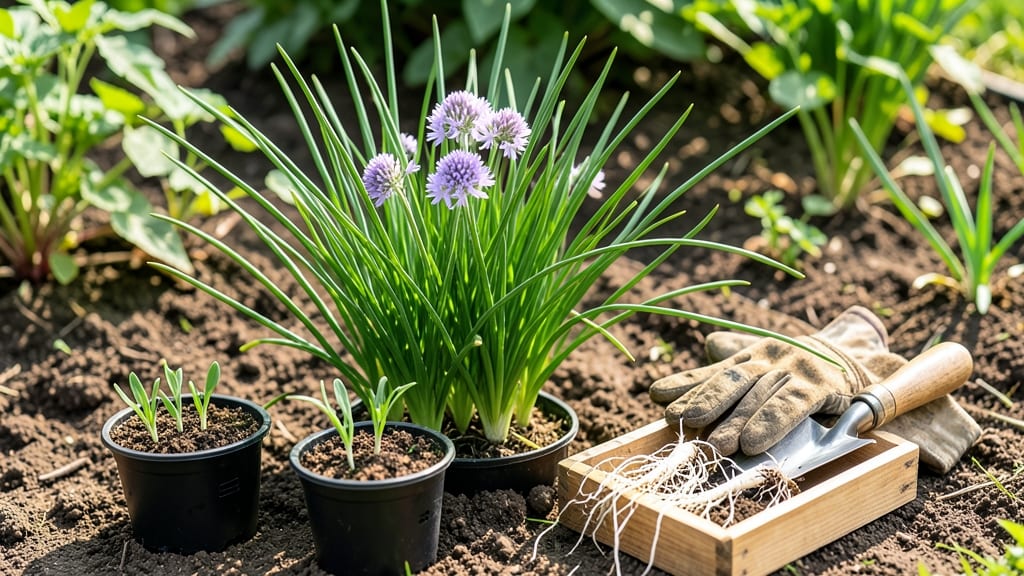
Timing your chives planting in Texas isn’t just about the calendar—it’s about dodging those unpredictable frost surprises that can turn your 🌿 dreams into a sad, wilted pile.
Whether you’re in chilly Zone 8a or balmy Zone 11, planting too early or too late means missing the sweet spot for those vibrant purple blooms and flavorful leaves.
Here’s the secret: Texas gardeners in Zones 8a-11 have two prime windows—fall (September-October) and spring (February-March)—where chives can thrive without playing frost roulette. But if you’re in North Texas, you’ll need to adjust your timing to avoid that January 15 frost that catches everyone off guard.
I’ll break down exactly when to plant for your specific zone, whether to start from seeds or transplants, and how to stretch your growing season so you’re harvesting fresh chives all year. No more guessing—just bold, blooming success for your garden.
Ready to grow chives that outlast the Texas heat? Let’s get started with the foolproof planting schedule that works for your backyard.
Texas chive planting calendar by frost Zone (avoid these critical mistakes)
Texas spans USDA Zones 7-11, and chives thrive best when planted outside their frost-sensitive window. In Zone 7, late frosts linger into March, while Zone 11 gardeners enjoy frost-free winters.
This mismatch means your planting strategy must adapt—or risk losing your crop to unpredictable cold snaps.
For North Texas (Zones 7-8), aim for fall planting (September-October) to establish roots before winter. In Central and South Texas (Zones 9-11), you can plant year-round, but spring (February-March) yields the fastest growth. The key is soil temperature—chives need 50°F+ soil to sprout reliably.
Here’s the critical frost-free window by zone, including first/last frost dates and ideal transplanting months:
| Texas Zone | Last Frost Date | First Frost Date | Ideal Planting Window | Critical Mistake to Avoid |
|---|---|---|---|---|
| Zone 7 | Mid-March | Mid-December | September-October (fall) or March-April (spring) | Planting in February risks frost damage |
| Zone 8 | Early March | Late November | September-October or February-March | Skipping fall mulch in Zone 8a |
| Zone 9 | None (frost-free) | None (frost-free) | Year-round, but spring (Feb-Mar) for best growth | Overwatering in summer heat |
| Zone 10-11 | None (frost-free) | None (frost-free) | Year-round, but avoid peak summer (June-August) for transplanting | Planting in full sun without shade in Zone 11 |
In Zone 7-8, fall planting gives chives time to establish roots before winter. I’ve seen Zone 8a gardeners lose entire crops by planting too early—wait until after September 15 to be safe.
For Zone 9-11, the real challenge is heat stress—transplant in early spring or late fall to avoid wilting.
Microclimates matter! If you’re in a valley or low-lying area (like the Rio Grande Valley), you can push planting 2-3 weeks later than the zone average. Conversely, hilltop gardens in Zone 8 may experience frost 2 weeks earlier—monitor local weather alerts.
Pro tip: Use seed-starting trays indoors in Zone 7-8 6-8 weeks before your ideal outdoor date. This gives you a 3-week head start on the growing season. I’ve used this trick to harvest chives by April 1 in Dallas, beating the competition!
For container gardening, the rules shift slightly. Potted chives warm up faster in spring but dry out quicker. In Zone 10-11, you can plant container chives in January for an early harvest, while in-ground plants wait until March.
Just ensure your pots have drainage holes—chives hate soggy roots.
Watch for false springs in Zone 7-8, where warm spells in February can fool you into early planting. A single cold snap can kill tender seedlings. I learned this the hard way—always check the 10-day forecast before planting outdoors.
Finally, succession planting is your secret weapon. In Zone 9-11, sow new chives every 6 weeks for continuous harvests. Even in Zone 7, a late-summer planting (August) can yield fall greens before the first frost.
How to extend your chive growing season in Texas heat (pro tips for year-round harvests)
Texas summers can be brutal, but with the right strategies, you can grow chives year-round. Container gardening is my top trick—it lets me move plants to shade during peak heat while maintaining consistent soil moisture.
Urban gardeners in Zone 10-11 can even harvest chives in December with proper care!
Mulching is another game-changer. A 2-inch layer of straw or shredded leaves keeps roots cool and retains moisture. I’ve seen chives in ground beds survive 105°F heatwaves this way. Just avoid organic mulches in spring when soil is still cool.
🌿
Use 5-gallon pots with drainage holes. Move containers to partial shade (4-6 hours sun) during June-August.
Apply 2-inch mulch in May and September to regulate soil temps. Avoid mulching in spring.
Use 30-50% shade cloth over ground beds in July. Secure with stakes to prevent wind damage.
Water deeply every 5-7 days in summer. Use drip irrigation to avoid wetting leaves (prevents fungal issues).
Plant new chives every 6 weeks from March-October to ensure continuous harvests. Start seeds indoors in containers 8 weeks before outdoor transplanting.
For Zone 7-8 gardeners, focus on fall planting (August-September) to beat early frosts. I’ve had chives survive until November 15 in Dallas by using row covers after October 1. Just remove covers on warm days to prevent overheating.
Pro tip: Harvest aggressively in summer to encourage new growth. Snip leaves at the base when they reach 4-6 inches—this prevents bolting and keeps plants productive. My container-grown chives produced 3 harvests in July alone using this method!
💧