
Plants
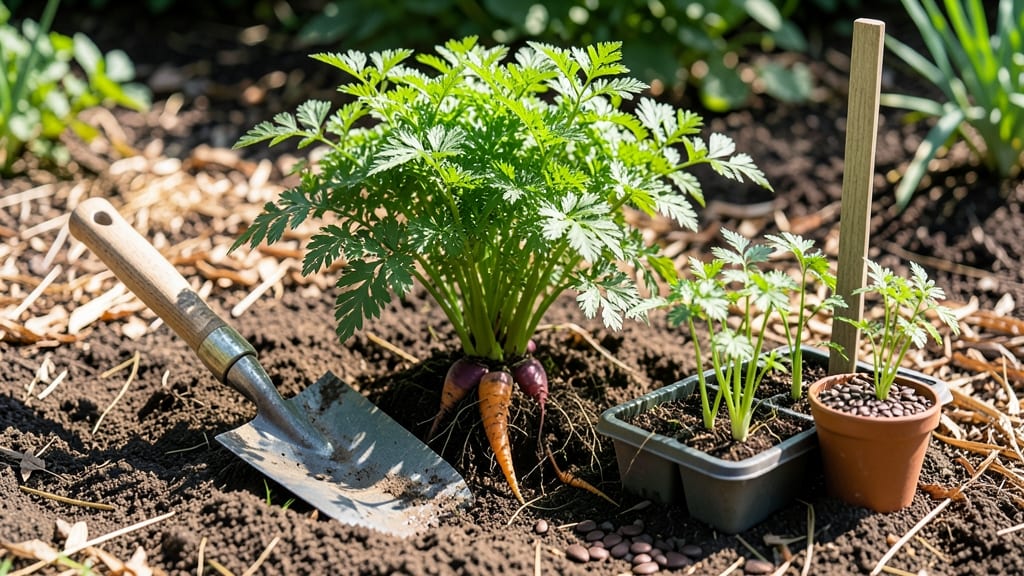
Timing your 🥕 carrot planting in Zone 7A makes all the difference between crisp, sweet roots and bitter, stunted failures. Plant too early, and frost will turn your seeds to mush; too late, and you’ll miss the harvest window entirely.
The key is understanding your zone’s 190 frost-free days and working with nature—not against it.
For most gardeners in 7A, the sweet spot is early spring (March–April) and late summer (July–August). But here’s the catch: soil temperature matters just as much as air temperature. Carrot seeds need soil that’s at least 50°F to germinate properly, and waiting for that window ensures strong starts.
I’ll walk you through the exact dates to plant, how to adjust for early or late varieties, and even how to stretch your harvest season with smart succession planting. No more guessing—just a foolproof schedule tailored to your zone’s quirks.
Ready to grow carrots that rival the market? Let’s dive into the science-backed schedule that’ll turn your garden into a crisp, orange success story.
Optimal carrot planting dates in zone 7A: direct sowing vs seed starting
Timing is everything when growing crisp, straight carrots in Zone 7A. The key window spans from mid-March to early April for spring planting, with a late-summer backup in July-August. Carrots thrive in cool weather and bolt when temperatures exceed 80°F, so avoiding summer heat is critical.
Your last frost date (typically March 15–April 15) sets the baseline—plant 4–6 weeks before to ensure roots mature before summer arrives.
Zone 7A’s 190 frost-free days create a narrow but productive window. Early varieties (like ‘Nantes’) can be sown as soon as soil reaches 50°F, while slower-maturing types (like ‘Danvers’) need the full 70–80 days to harvest.
Miss the spring window? Don’t worry—fall planting in July works if you choose cold-hardy varieties and protect seedlings with row covers.
Direct sowing is the best method for carrots—transplants shock easily. Start seeds ¼-inch deep in loose, rock-free soil with a fine, sandy loam texture. Too much clay or debris causes forked roots, so amend with compost before planting.
For earlier harvests, sow a second batch 2–3 weeks later to stagger maturity.
For Zone 7A gardeners, soil temperature is the deciding factor. Use a soil thermometer to confirm 50°F+ before planting—cold soil delays germination. If spring arrives late, opt for fast-maturing varieties like ‘Paris Market’ (50 days) to beat summer heat.
Pro tip: Shade cloth (30–50%) can extend summer planting by 2–3 weeks in hot microclimates.
Seed starting indoors isn’t recommended for carrots—they hate transplant shock. Instead, direct-sow in 2-inch-deep furrows, spacing seeds ½-inch apart when seedlings emerge. Thin too late, and you’ll stunt root growth. Use a hand trowel for precision—carrots resent disturbance.
Adjust your schedule based on microclimates. South-facing beds warm faster than north sides, so plant them 1–2 weeks earlier. Raised beds also heat up quicker—monitor soil temps closely. If your area has unpredictable frosts, use lightweight row covers until seedlings are 3–4 inches tall.
Fall planting in July requires cold-hardy varieties like ‘Chantenay’ or ‘Purple Haze’. Aim to harvest before first frost (Nov 15), but carrots store well in sandy soil or a cool root cellar for 2–3 months. Mulch with straw to insulate roots from temperature swings.
Missed the spring window? Don’t panic—succession planting works. Sow every 2 weeks from March to July for a continuous harvest. Just avoid planting after mid-July; the resulting roots will taste woody and bitter from heat stress.
Protect your investment with weed control. Carrots grow slowly at first—hoeing weekly keeps weeds from stealing nutrients. And always water deeply in the morning to prevent bolting and cracked roots. With the right timing, your Zone 7A garden can yield <
How to extend your carrot harvest season in zone 7A
Zone 7A gardeners can enjoy fresh carrots from late spring through early fall with the right strategies. The key is staggered planting and season extension techniques that prevent bolting during summer heat. I’ve found that succession planting every 2-3 weeks keeps a steady supply of crisp roots ready for harvest.
For a longer harvest window, focus on two main planting periods: early spring (March–April) and late summer (July–August). This approach ensures you’re not overwhelmed with a single massive harvest. Cold-hardy varieties like ‘Nantes’ or ‘Danvers’ thrive in cooler temperatures, while heat-tolerant types such as ‘Yellowstone’ handle summer’s intensity better.
🌱
Another trick I swear by is interplanting carrots with fast-growing companions like radishes or lettuce. Radishes mature in just 30 days, giving carrots more time to establish before competing for space. This also helps suppress weeds and maximizes your garden’s productivity.
If your summer heat exceeds 85°F, carrots may bolt prematurely. To combat this, I shade young seedlings with floating row covers during peak afternoon heat. Additionally, water deeply in the morning to keep soil temperatures stable and roots developing straight and sweet.
For a second fall harvest, try short-day varieties like ‘Paris Market’ (mini carrots) or ‘Purple Haze’. These mature faster and tolerate cooler temperatures better. Plant them in late summer and use lightweight row covers to extend the season by 4-6 weeks.
With these techniques, you’ll enjoy homegrown carrots for nearly half the year—no grocery store needed! The secret is planning ahead and adapting to Zone 7A’s hot summers and mild winters. 🌿