
Plants
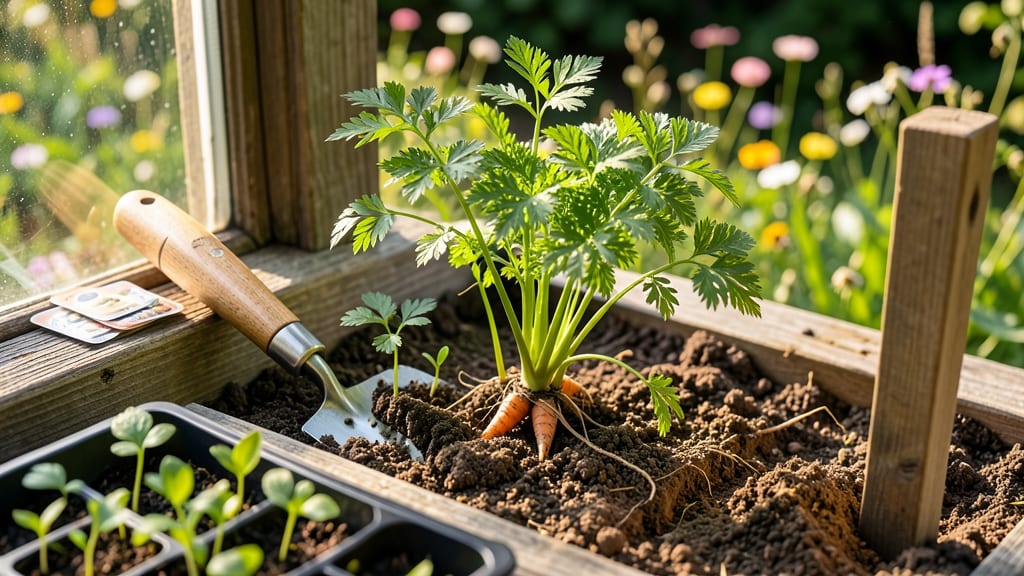
Ideal planting windows for carrots in Zone 6a (avoid bolting)
In Zone 6a, timing is everything when growing carrots. The perfect window balances soil warmth and cool temperatures to prevent bolting—the dreaded flower spike that turns sweet roots bitter.
Too early, and chilly soil stunts growth; too late, and heat triggers premature flowering. Let’s pinpoint your exact planting dates using frost-free guidelines and soil thermometers.
Carrots thrive when soil temps hover between 45°F–85°F. In Zone 6a, this translates to two ideal windows: early spring (after last frost) and late summer (before fall heat).
Miss these, and you risk small, woody roots or wasted seeds. I’ll show you how to calculate your precise dates using local frost data and a simple soil test.
🌱 Pro Tip: Use a soil thermometer—cheap and game-changing. Stick it 2 inches deep; if it reads below 50°F, wait. Above 85°F? You’re in bolting territory.
| Planting Window | Soil Temp | Risk | Action |
|---|---|---|---|
| Early Spring (March–April) | 45°F–65°F | Slow growth if too cold | Use black plastic mulch to warm soil |
| Late Summer (July–August) | 60°F–85°F | Bolting if above 85°F | Choose heat-tolerant varieties |
| Fall (September) | 50°F–70°F | None (ideal for sweetness) | Plant 8–10 weeks before first frost |
For Zone 6a, aim to plant carrots 4–6 weeks before your last frost date (typically mid-April). Check your local USDA Plant Hardiness Zone Map—even a 5°F difference can shift your window by weeks.
I’ve planted in early March here, but my soil stayed too cold, so I switched to late March with black plastic mulch for faster warming.
Bolting happens when carrots sense long daylight + heat. In Zone 6a, this peaks in June–July. To avoid it, plant bolt-resistant varieties like ‘Danvers Half Long’ in spring or ‘Nantes’ in fall. Shade cloth (30–50%) can also buy you extra weeks in summer plantings.
💡 Zone 6a Hack: Use succession planting every 2 weeks from April to July. This keeps your harvest going and spreads out the risk of bolting. For example, plant a batch on April 1st, then again on April 15th, May 1st, and June 1st—each batch matures at a different time.
Fall planting in Zone 6a is often overlooked but yields the sweetest carrots. Seed in late July–early August for a harvest before the first frost (around October 15). The cooler temps slow growth, preventing bolting while boosting sugar content. Just ensure your soil stays loose—carrots need room to expand!
🌡️ Critical Alert: If your Zone 6a summer hits 90°F+, even for a few days, your carrots may bolt. Monitor your garden’s microclimate—shady spots or raised beds stay cooler.
I lost a batch last year when a heatwave spiked temps; now I use shade cloth and water deeply to cool the soil.
To calculate your exact dates, subtract 70 days (minimum maturity) from your last frost date. For Zone 6a’s October 15 first frost, that’s a July 26 deadline for fall planting.
Spring? Add 70 days to April 15 (last frost), landing on June 25—but plant earlier for a staggered harvest.
📅 Your Zone 6a Cheat Sheet:
- Spring Planting: March 20–April 15 (soil >50°F)
- Summer Planting: July 1–15 (soil <85°F)
- Fall Planting: August 1–15 (harvest before frost)
Step-by-step guide: preparing soil and planting carrots for maximum yield
Once you’ve nailed down your Zone 6a planting window, the next critical step is preparing the soil to prevent bolting and ensure straight, sweet roots. Carrots are divas—they demand loose, rock-free soil with perfect drainage.
If your garden bed is compacted or rocky, roots will fork or split, turning your harvest into a frustrating puzzle. Let’s fix that together.
Start by testing your soil’s drainage and texture. Dig a 12-inch hole and fill it with water. If it drains in under an hour, you’re golden. If it pools, amend the soil with compost or coarse sand to improve aeration.
Carrots hate sitting in soggy soil—root rot is their worst enemy. Aim for a soil pH between 6.0 and 6.8; test kits are cheap and save you guesswork.
🌱 Step-by-Step Planting Guide
- Loosen Soil: Use a broadfork or tiller to break up soil 12–18 inches deep. Avoid a garden trowel—it compacts soil further.
- Remove Debris: Pick out rocks, roots, and clumps larger than a pea. Carrots need space to grow unobstructed.
- Add Organic Matter: Mix in 2–3 inches of compost or well-rotted manure. This improves fertility and soil structure.
- Level the Bed: Rake the surface smooth to create a fine seedbed. Bumpy soil leads to crooked carrots.
- Plant Seeds: Scatter carrot seeds thinly (they’re tiny!) and cover with ¼-inch of fine soil. Press gently to ensure contact.
- Water Gently: Mist the soil with a fine spray to avoid displacing seeds. Keep soil moist but not soggy until germination.
- Thin Seedlings: Once sprouts are 2 inches tall, thin to 2–3 inches apart to prevent competition.
Pro tip: Succession planting is your secret weapon in Zone 6a’s short season. Sow a new batch of seeds every 2 weeks from April through July. This ensures a continuous harvest and reduces the risk of bolting from heat stress.
For example, plant your first batch in early April, then follow up with seeds on April 15, May 1, and so on. By staggering plantings, you’ll have carrots ready to pull from June through October.
Don’t overlook shade cloth if you’re planting in late summer for a fall crop. When daytime temps exceed 80°F, carrots bolt faster than a rabbit in a vegetable patch.
Use 30–50% shade cloth to keep soil temps cool and extend your harvest window. Remove it once nights cool to 65°F to avoid stunted growth.
Finally, mulch your carrot beds with straw or shredded leaves to retain moisture and suppress weeds. Weeds compete for nutrients, leading to small, bitter carrots. A 2-inch layer of mulch keeps the soil cool, reduces watering needs, and makes your life easier.
Plus, it looks tidy—because even gardeners love a neat row!
With these steps, you’ll grow carrots that are straight, sweet, and abundant—no more gnarled or split roots. Happy planting! 🥕