
Plants
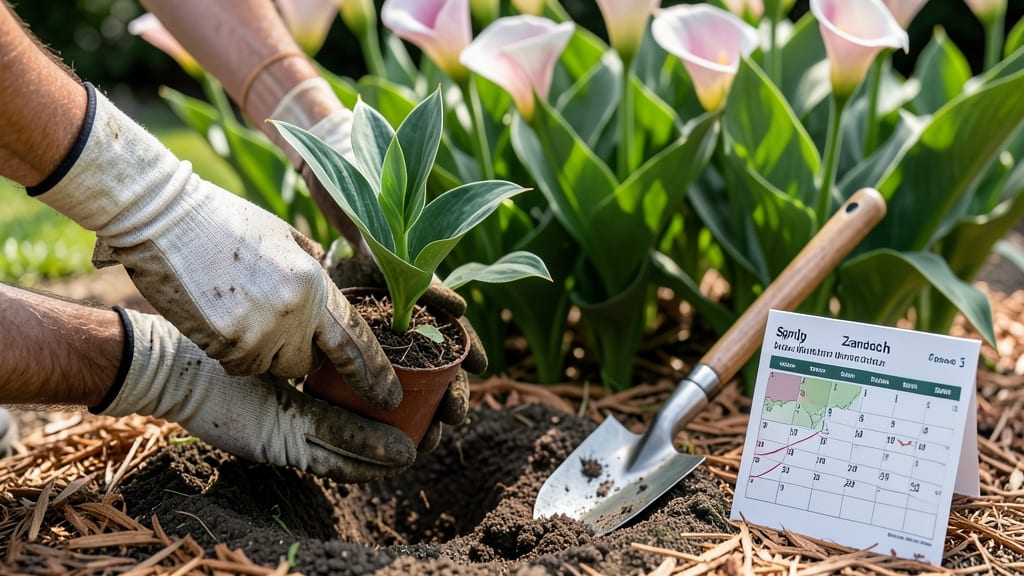
Planting calla lilies at the wrong time in Zone 5 could mean waving goodbye to those stunning 🌸 blooms before they even appear. Unlike hardy perennials, these tropical beauties demand precision—get the timing off, and you might end up with nothing but bare soil by summer.
Most gardeners in Zone 5 assume "spring planting" is the only option, but the truth is more nuanced. Whether you're working with rhizomes or tubers, the late spring to early summer window (after your last frost date) is your best bet for vibrant blooms.
But here's the catch: fall planting can actually work too—if you play your cards right.
I’ve grown calla lilies in Zone 5 for years, and I’ve learned the hard way that rushing the process leads to disappointment. The key isn’t just when you plant—it’s also about soil temperature, frost protection, and a few sneaky tricks to extend their season.
Let’s break down the exact steps to ensure your calla lilies thrive from the moment you tuck them into the ground.
From choosing the right planting window to preparing your soil and protecting your plants from early frosts, this guide covers everything you need to know. By the end, you’ll have a clear roadmap to bold, long-lasting blooms that turn heads all summer long.
Zone 5 frost dates and ideal calla lily planting windows
Calla lilies thrive in warm soil and frost-free conditions, making timing critical in Zone 5. The last frost date typically falls around May 10, but this varies by 1-2 weeks depending on your exact location within the zone.
For northern Zone 5, aim for late May, while southern areas can plant as early as mid-April.
Soil temperature is just as important as air temperature. Calla lilies need soil that’s warmed to at least 60°F (15°C) before planting. Use a soil thermometer to confirm—cold soil delays growth and can stunt blooms. Most Zone 5 gardeners hit this mark by late May or early June.
Here’s the golden rule: Plant calla lilies after the last frost when soil is consistently above 60°F. This ensures strong root establishment before summer heat arrives. In Zone 5, that window is roughly May 15 to June 15, but always check your local frost dates for precision.
Don’t overlook fall planting as a viable option. In Zone 5, you can plant calla lilies in late summer (August) to allow roots to establish before the first frost. This method extends bloom time the following year but requires heavy mulching for winter protection.
| Planting Window | Key Conditions | Zone 5 Timeline |
|---|---|---|
| Spring Planting | Soil ≥60°F, no frost risk | Mid-May to mid-June |
| Fall Planting | 6-8 weeks before first frost | Late July to August |
| Soil Prep | Well-draining, rich in compost | April (spring) or July (fall) |
| First Frost Risk | Air temp ≤32°F (0°C) | Mid-October |
Northern Zone 5 gardeners (e.g., Chicago, Detroit) face earlier frosts and should plant rhizomes no later than June 1. Southern Zone 5 (e.g., St. Louis, Cincinnati) can extend planting until late June with minimal risk. Always monitor weekly forecasts for late-season frost warnings.
Pro tip: Use black plastic mulch to warm soil faster in spring. Lay it down 2-3 weeks before planting to create a microclimate that speeds up soil temperature rise. This is especially helpful in northern Zone 5 where soils stay cool longer.
For container growers, timing shifts slightly. Potted calla lilies can tolerate cooler temperatures and can be moved outdoors as early as mid-April (when night temps stay above 45°F). However, they’ll need to be brought indoors if frost threatens, making spring planting riskier than in-ground options.
Remember: Rush planting in cold soil leads to rotten rhizomes or weak stems. Patience pays off with healthier plants and longer bloom seasons. Check soil temps weekly in late April to catch the perfect window.
If you miss the spring window, don’t panic—fall planting still works! Just ensure rhizomes are planted 6-8 weeks before your first frost to allow roots to establish. In Zone 5, that’s typically late July to early August.
Spring vs. fall planting: which works best for Zone 5 callas?
Deciding between spring and fall planting for calla lilies in Zone 5 depends on your goals: immediate blooms or extended season. Each method has distinct advantages—and pitfalls—that can make or break your success. Let’s weigh the pros and cons so you can choose what works best for your garden.
Spring planting is the most reliable option for first-year blooms. When you plant rhizomes after the last frost (typically mid-May to June), they have the entire growing season to establish roots and produce flowers by late summer.
This method is ideal if you want bold, early-season blooms and don’t want to fuss with winter protection.
Spring Planting
- ✅ Pros:
- • Faster blooms (first year)
- • No winter care needed
- • Easier soil prep (warmer temps)
Fall Planting
- ✅ Pros:
- • Longer bloom time next year
- • Established roots before winter
- • Better drought tolerance in summer
- ❌ Cons:
- • Shorter bloom season (if planted late)
- • Risk of frost damage if delayed
- • Less time for root growth
- ❌ Cons:
- • Requires winter protection (mulch, covers)
- • Slower first-year blooms
- • More prep work (soil, timing)
For spring planting, start by soaking rhizomes in warm water for 2-3 hours before planting. This jumpstarts growth and ensures they wake up faster in cool Zone 5 soils.
Plant them 3-4 inches deep in well-draining soil mixed with compost. Space rhizomes 12-18 inches apart to allow for mature foliage spread.
Fall planting, on the other hand, is a long-game strategy. By planting in late July to August, rhizomes establish roots before the ground freezes, giving you a head start in spring.
However, you’ll need to mulch heavily (4-6 inches of straw or leaves) to protect them from Zone 5 winters. This method pays off with larger, healthier plants and longer bloom seasons the following year.
Here’s a quick preparation