
Plants
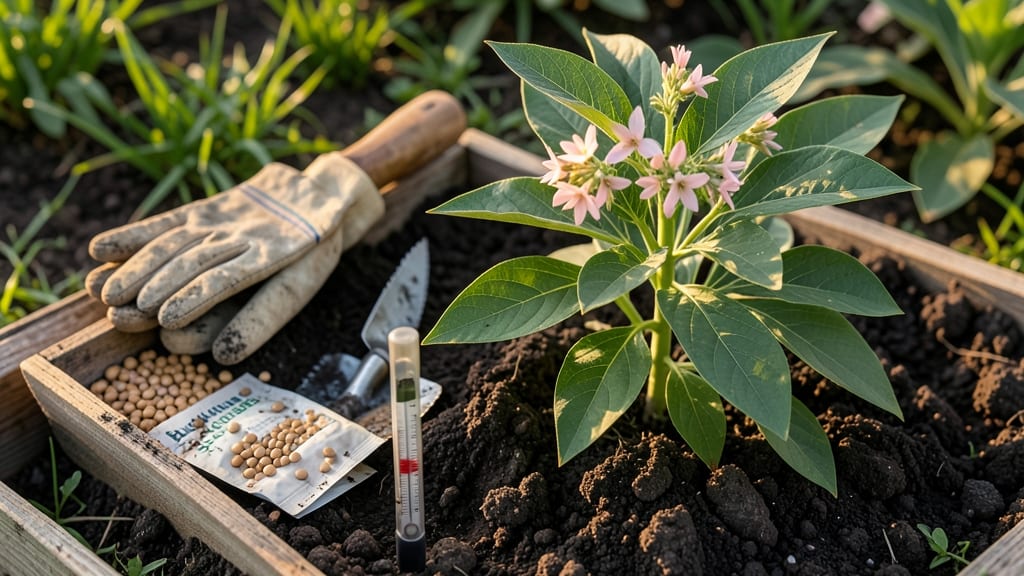
If you're looking to grow fast, nutrient-rich buckwheat 🌾 in Georgia, timing your planting is the key to avoiding frost damage and maximizing your harvest. Georgia's 7b-8b climate zones offer two prime windows—spring and fall—but getting the dates wrong could mean lost crops or delayed yields.
Most gardeners in Georgia plant buckwheat between late March and early April for a spring harvest or early September to early October for a fall crop. But these dates can shift depending on your county, soil conditions, and even last year's frost patterns.
I'll break down the exact frost-free windows so you can align your planting with buckwheat's 60-75 day growth cycle.
Why does this matter? Buckwheat thrives in warm soil but bolts quickly when temperatures rise—meaning you need to strike the perfect balance between frost risk and heat tolerance. Whether you're growing it for grain, greens, or soil improvement, getting the timing right ensures a more efficient and productive garden.
Let’s dive into the county-specific planting schedules, soil prep tips, and common mistakes Georgia gardeners make—and how to avoid them. By the end, you’ll know exactly when to plant buckwheat in your part of the state for a fast and reliable harvest.
Georgia county-specific buckwheat planting dates by frost-free Zone
Georgia’s diverse climate—from the cool mountain valleys of North Georgia to the humid Coastal Plain—creates unique frost-free windows for buckwheat. Since buckwheat thrives in 60–90 days, timing is critical to avoid spring frosts or late-summer heat stress.
Below are the optimal planting windows for Georgia’s USDA zones 7a–8b, broken down by region.
North Georgia (Zones 7a–7b, e.g., Dahlonega, Blue Ridge) has the latest frost dates, often April 15–May 1. Plant buckwheat late March–early April for a June harvest before summer heat peaks.
In the Piedmont (Zones 7b–8a), like Athens or Macon, aim for March 20–April 10 to align with the 60–75-day growth cycle.
The Coastal Plain (Zones 8a–8b), including Savannah and Brunswick, enjoys earlier springs. Here, March 1–March 15 is ideal for spring planting, with harvests wrapping up by late May.
For fall planting, all regions should sow early September–early October to ensure maturity before the first frost (Nov 15).
| Region | USDA Zone | Spring Planting Window | Fall Planting Window | Harvest Window |
|---|---|---|---|---|
| North Georgia (Dahlonega, Blue Ridge) | 7a–7b | Late March–Early April | Early September–Mid-September | Late May–Early June (Spring) / Late October (Fall) |
| Piedmont (Athens, Macon) | 7b–8a | March 20–April 10 | Mid-September–Early October | Late May–Early June (Spring) / Early November (Fall) |
| Coastal Plain (Savannah, Brunswick) | 8a–8b | March 1–March 15 | Early September–Early October | Late May (Spring) / Late October–Early November (Fall) |
For high-altitude areas like Lookout Mountain, delay planting until mid-April to avoid late frosts. In contrast, low-lying Coastal Plain areas can start as early as February 28 in microclimates with early warmth. Always check your local frost dates—the Georgia Automated Environmental Monitoring Network (AEMN) provides real-time updates.
Buckwheat’s fast growth makes it ideal for summer cover crops in the Piedmont, where it outcompetes weeds before the dog days of August. In the Coastal Plain, fall plantings benefit from cooler temperatures and lower humidity, reducing disease risk.
Use a planting calendar to track your region’s frost-free days and adjust accordingly.
Pro tip: In Zone 8b (e.g., Savannahwinter buckwheat crop by planting in late November—it’ll bolt quickly in mild winters and provide early spring forage. Just monitor for freezes below 20°F, which can damage young seedlings.
If you’re unsure about your exact frost dates, use the Almanac’s Georgia Frost Calculator or ask your local Cooperative Extension office. They’ll provide hyperlocal advice tailored to your county’s microclimate. For example, Rome’s frost dates differ by 2–3 weeks from Valdosta’s—so don’t guess!
Once you’ve nailed your planting window, focus on soil prep. Buckwheat tolerates poor soil but thrives in loamy, well-draining beds with a pH of 5.5–7.0. Work in compost or aged manure 2 weeks before sowing to give roots a nutrient boost.
🌾
How to adjust buckwheat planting for Georgia’s rainfall patterns and soil types
Georgia’s humid summers and variable rainfall can make buckwheat planting tricky. Unlike drought-tolerant crops, buckwheat thrives with consistent moisture but hates soggy soil. The key is adapting your approach based on your region—whether you’re in the clay-heavy Piedmont or the sandy Coastal Plain.
Let’s break down how to tailor your planting strategy for success.
First, test your soil before planting. Buckwheat prefers slightly acidic to neutral soil (pH 5.5–6.5). In Georgia’s Piedmont region, where clay dominates, amend with compost or sand to improve drainage.
Meanwhile, Coastal Plain gardeners often deal with sandy soil that drains too quickly—mix in organic matter like peat moss to retain moisture. A simple soil test kit (available at garden centers) will tell you exactly what to adjust.
Now, let’s talk watering strategies. Buckwheat needs about 1 inch of water per week, but Georgia’s summer downpours can overwhelm your crop. If you’re planting in late spring or early fall, use a drip irrigation system or soaker hoses to deliver water directly to the roots.
Avoid overhead watering, which can spread fungal diseases like powdery mildew—a common issue in Georgia’s humid climate. Mulch with straw or shredded leaves to keep moisture levels steady and suppress weeds.
Georgia Buckwheat Planting: Pros and Cons by Region
Piedmont Region (Clay Soil)
- Pros: Retains moisture well 💧
- Cons: Poor drainage risks root rot ✅
- Fix: Raise beds or add sand
Coastal Plain (Sandy Soil)
- Pros: Warmer soil speeds germination ☀️
- Cons: Dries out too quickly 🌵
- Fix: Mulch heavily and water deeply
For summer planting (a common practice in Georgia’s heat), buckwheat can act as a living mulch to suppress weeds and improve soil. However, late-summer plantings (after August 15) carry frost risk in North Georgia.
If you’re in Zone 7a (e.g., Blue Ridge Mountains), opt for early September planting to ensure a harvest before the first frost. In Zone 8b (Coastal Plain), you can push it to mid-September for a late fall crop.
One critical mistake Georgia gardeners make is ignoring weed competition. Buckwheat grows quickly, but weeds like crabgrass and pigweed can outcompete it in loose soil. Always prep your bed by tilling in compost and using a pre-emergent herbicide (like corn gluten meal) if weeds are a problem.
For organic gardens, hand-pull weeds before they seed. Buckwheat’s dense foliage will eventually shade them out, but early intervention is key.
Finally, consider fall planting as a strategy to break up compacted soil and add organic matter before winter. Plant buckwheat in early October in most of Georgia—it’ll grow until the first frost, then die back, leaving behind rich, nitrogen-filled biomass for your spring garden.
Just avoid planting after October 15 in North Georgia, where frosts can arrive earlier. With these adjustments, you’ll turn Georgia’s challenging conditions into an advantage for a thriving buckwheat crop.