
Plants
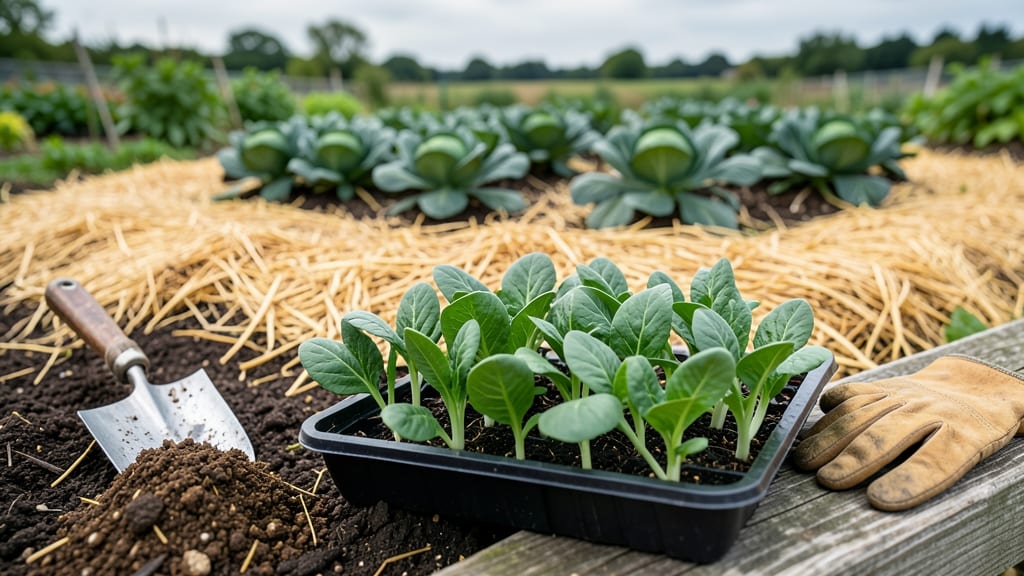
If you're a Zone 9 gardener craving crisp 🥬 bok choy, timing is everything—plant too early, and you risk bitter bolts; too late, and your harvest suffers.
The key to perfect bok choy lies in understanding your climate's unique rhythm, and I’m here to break down the exact windows that work.
Zone 9’s warm winters and mild springs mean you can grow bok choy year-round, but summer heat is the enemy. By planting between September and March, you avoid the stress of extreme temperatures while ensuring a steady supply of tender greens.
This isn’t just theory—it’s a battle-tested strategy for gardeners in Southern California, Arizona, and Florida.
What makes this timing so special? Bok choy grows fast—just 4-6 weeks from seed to harvest—but it bolts (goes to seed) when stressed by heat. The right window keeps it cool, crisp, and ready for your table.
Let’s dive into the exact months, varieties, and tricks to maximize your harvest without the headaches.
Ready to grow bok choy that’s sweeter, faster, and free from bitterness? I’ll show you how to nail the planting schedule so you can enjoy fresh greens all season long—no guesswork required.
Zone 9 bok choy planting calendar: exact fall dates to avoid bolting or frost
In Zone 9, where summer heat can send bok choy bolting into overdrive, timing is everything. The key is planting when daytime temperatures stay below 75°F—any hotter, and your sweet baby bok choy turns bitter and flowers too soon.
My Zone 9 garden thrives on this rhythm: cool mornings, warm afternoons, and zero frost risk. Let’s break down the perfect planting windows to ensure you harvest crisp, tender leaves all season.
Your fall planting window in Zone 9 starts in late August and stretches through March, but not all dates are created equal. For baby bok choy (20-30 days to harvest), aim for September and October—these months offer ideal 60-70°F daytime temps.
For full-size heads (40-45 days), plant in November through January to avoid the mild winter chill that can slow growth. Think of it as a temperature tightrope: too hot, and you bolt; too cool, and you stall.
Zone 9’s microclimates add another layer. Coastal areas (like San Diego) can handle slightly later plantings, while inland desert zones (like Arizona’s Phoenix) need to start earlier to escape summer’s brutal heat. My Southern California garden sits in the middle—here, I plant baby bok choy every 2 weeks from September to November for a continuous harvest, while full-size varieties get a December start to mature before spring warmth arrives.
Here’s the visual breakdown of your planting calendar—because even in frost-free Zone 9, timing matters more than you think:
| Month | Ideal Planting Window | Daytime Temp Range | Harvest Window | Variety Recommendation |
|---|---|---|---|---|
| Late August | First sowing (shade cloth) | 70-78°F | Late September | Toy Choy (heat-tolerant) |
| September | Main window (baby bok choy) | 65-75°F | October-November | Joi Choi (fast-growing) |
| October | Peak window (full-size) | 60-70°F | November-December | Black Stem (cold-hardy) |
| November | Late window (winter harvest) | 55-65°F | December-February | All varieties (slow growth) |
| December-January | Early spring prep | 50-60°F | February-March | Toy Choy (spring bolt risk) |
| February-March | Final window (shade cloth) | 60-70°F | March-April | Joi Choi (heat-tolerant) |
🌱 Note: Always use 50% shade cloth for August/September plantings to prevent bolting.
Why these dates? Bok choy bolts when stressed by heat—even a single day over 80°F can trigger flowering. My Zone 9 garden hits this threshold in June and July, so I avoid planting then entirely.
Instead, I focus on September’s cooler mornings, which give seedlings time to establish roots before temperatures drop at night. Pro tip: If you’re in a desert microclimate, start seeds indoors in late July and transplant in August under shade cloth.
Don’t overlook soil temperature—it’s just as critical as air temperature. Bok choy seeds need soil
Zone 9 bok choy planting calendar: exact fall dates to avoid bolting or frost
Zone 9 gardeners have a unique advantage with bok choy—no frost to worry about! But summer heat is the real enemy, causing bolting (premature flowering) that turns your greens bitter.
The sweet spot? Planting between mid-September and early March when temperatures stay below 80°F. This window ensures tender, sweet bok choy without the stress of extreme heat.
Here’s the breakdown: Start seeds indoors 4-6 weeks before your target transplant date (e.g., late August for a September harvest). For direct sowing, aim for September 15–October 15 to catch the cooler fall temperatures.
This timing aligns with bok choy’s 4-6 week growth cycle, giving you harvests just as winter approaches.
🌱 Pro Tip: If you’re in Zone 9a (cooler microclimates like higher elevations), you can push planting slightly later—even into November—while Zone 9b (hotter areas like Phoenix or Miami) gardeners should start earlier to avoid heat spikes.
| Month | Ideal Planting Window | Harvest Window | Temperature Range (°F) | Risk Level |
|---|---|---|---|---|
| September | 15–30 | October–November | 70–85°F | Low (bolting risk) |
| October | 1–15 | November–December | 65–78°F | Very Low |
| November | 1–15 (Zone 9a only) | December–January | 60–72°F | None |
| December–February | Direct sow or transplant | January–March | 55–70°F | None |
| March | 1–15 (early) | April | 70–80°F | Moderate (watch for heat) |
For a continuous harvest, stagger plantings every 2–3 weeks from September through February. This way, you’ll always have fresh bok choy ready to pick—no gaps in your supply! Just remember: shade cloth (30–50%) is your best friend in late spring or early fall if temperatures creep up.
🌡️ Key Insight: Bok choy thrives when soil temps stay between 55–75°F. Use a soil thermometer to confirm before planting—