
Plants
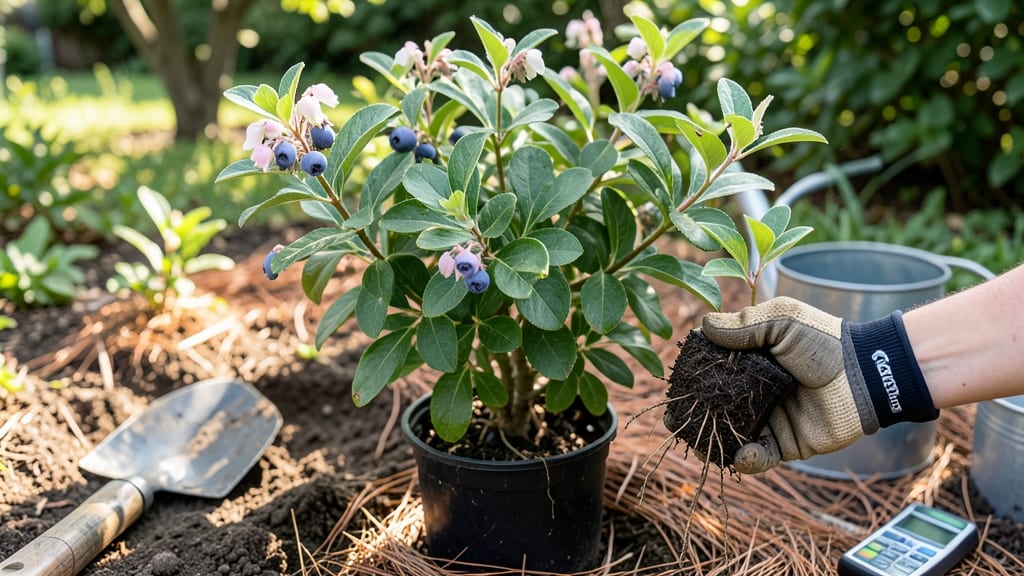
Planting blueberries in Seattle at the wrong time can mean the difference between a thriving 🫐 bush and one that struggles to survive. With our unique coastal climate and unpredictable frost dates, timing is everything—but getting it right unlocks sweet, abundant harvests every summer.
Seattle’s USDA Zone 8a gives you two prime windows to plant: fall (September–November) or early spring (March–April). Fall planting lets roots establish before winter, while spring gives young bushes a head start before summer heat arrives. Both have their advantages, depending on your microclimate.
Whether you’re planting bare-root saplings or container-grown bushes, the key is preparing your soil early. Seattle’s natural acidity is perfect for blueberries, but urban soils often need a boost with compost or sulfur. I’ll walk you through the exact steps to set yours up for success.
Ready to grow your own blueberries? Let’s dive into the best planting strategies for Seattle’s climate—so you can enjoy homegrown harvests from June through August.
Best planting windows for blueberries in Seattle’s zones 7b-8a
Seattle’s cool, wet climate and USDA Zones 7b-8a create a unique growing window for blueberries. Unlike warmer regions, fall planting is often preferred here because cooler soil temperatures reduce transplant shock.
However, early spring is also ideal for container-grown bushes. Let’s break down the best times and why they matter for your 🫐 blueberry bushes.
For bare-root blueberries, September through November is prime time. The 60-70°F soil temperatures during this window allow roots to establish before winter dormancy. If you miss fall, March through mid-April is your second chance—just plant before the last frost date (April 15) to avoid stunted growth.
Container-grown blueberries are more flexible. You can plant them throughout the growing season, but late spring (May) or early fall (September) still gives roots the best head start. Urban gardeners often prefer containers because they offer better soil control and mobility to protect plants from wind or frost.
Pro tip: Check soil temperatures before planting—ideal range is 50-60°F. Use a soil thermometer or wait for 60°F+ for best results. Cooler soils slow root growth, which is risky in Seattle’s unpredictable weather.
| Planting Window | Best For | Soil Temp | Frost Risk |
|---|---|---|---|
| September–November | Bare-root bushes | 50–60°F | Low (established roots) |
| March–Mid-April | Container-grown | 45–55°F | Moderate (last frost risk) |
| May (late spring) | Containers/urban | 55–65°F | Low (post-frost) |
| September (early fall) | All types | 60–70°F | None (pre-winter) |
🌱 Note: Adjust for microclimates—urban areas may frost later than rural zones.
Seattle’s microclimates play a huge role. Urban areas (like Ballard or Fremont) often experience later frosts due to heat islands, while rural zones (like Woodinville) may frost earlier. If you’re in a windy coastal spot, plant near a windbreak or use containers to move plants indoors during storms.
For container planting, timing is less critical, but spring (April–May) gives plants the longest growing season. Containers dry out faster in Seattle’s damp summers, so ensure proper drainage. Use a 5-gallon pot minimum for dwarf varieties and 10+ gallons for standard bushes.
Remember: Blueberries need acidity (pH 4.5–5.5). Test your soil before planting—Seattle’s native soil is often too alkaline for blueberries. Amend with sulfur or peat moss to create the perfect growing environment. 💡 Pro tip: Mix in pine needles or coffee grounds for a natural acid boost.
Whether you choose fall or spring, the key is preparing the soil first. Blueberries hate soggy roots, so raise beds slightly or use containers if your yard drains poorly. With the right timing and prep, your 🫐 bushes will thrive in Seattle’s challenging climate.
How Seattle’s coastal climate affects blueberry planting success
Seattle’s coastal climate isn’t just about rain—it’s a unique mix of ocean breezes, temperature swings, and microclimates that can make or break your 🫐 blueberry bushes. The Puget Sound moderates temperatures, creating cooler summers and milder winters than inland areas.
But those same breezes can dry out soil faster and increase frost risks in exposed areas. Understanding these factors helps you adjust planting times and care routines for maximum success.
One of the biggest challenges is wind exposure. Coastal areas like West Seattle or Bainbridge Island experience stronger winds that can desiccate young plants or damage branches.
If your garden is windy, consider planting near a natural windbreak (like a fence or hedge) or opt for container growing—you can move pots to shelter during storms. 💡 Pro tip: Stake young bushes immediately to prevent wind whiplash.
Watch Out for Coastal Frost Traps
Seattle’s microclimates create frost pockets—especially in low-lying urban areas (like Ballard) or valleys. Even in Zone 8a, late spring frosts (after April 15) can kill new growth. Monitor forecasts and cover young plants with frost cloth if temps drop below 28°F.
Another critical factor is soil moisture. Seattle’s high rainfall (especially in winter and spring) can lead to waterlogged soil, which blueberries hate. Poor drainage causes root rot and nutrient leaching, stunting growth.
If your yard has clay-heavy soil (common in South Seattlecompost and sand to improve drainage. 🌱 Test tip: Dig a hole, fill it with water, and time how long it drains—ideal is 4–6 hours.
Urban vs. rural Seattle also matters. City gardens (like Pioneer Square) often have warmer microclimates due to heat islands, while rural areas (like Snoqualmie) may frost earlier.
Adjust planting 2–3 weeks later in urban zones to avoid late frosts. For example, if rural areas plant in early March, urban gardeners might wait until mid-March.
Seattle’s summer droughts (yes, they happen!) add another layer.
While we think of Seattle as wet, June–August can bring dry spells that stress young blueberries. Mulch heavily (3–4 inches of pine straw or wood chips) to retain moisture and water deeply 2–3 times per week during dry periods. 💧 Deep watering encourages strong root systems, helping bushes survive our unpredictable weather.
Finally, salty air near the coast can build up in soil over time, harming plants. If you’re near Puget Sound or saltwater shorelines, flush soil annually with fresh water to prevent salt accumulation.
For container growers, use rainwater or distilled water to avoid chlorine buildup. With these adjustments, your 🫐 bushes will thrive despite Seattle’s challenging coastal conditions.