
Plants
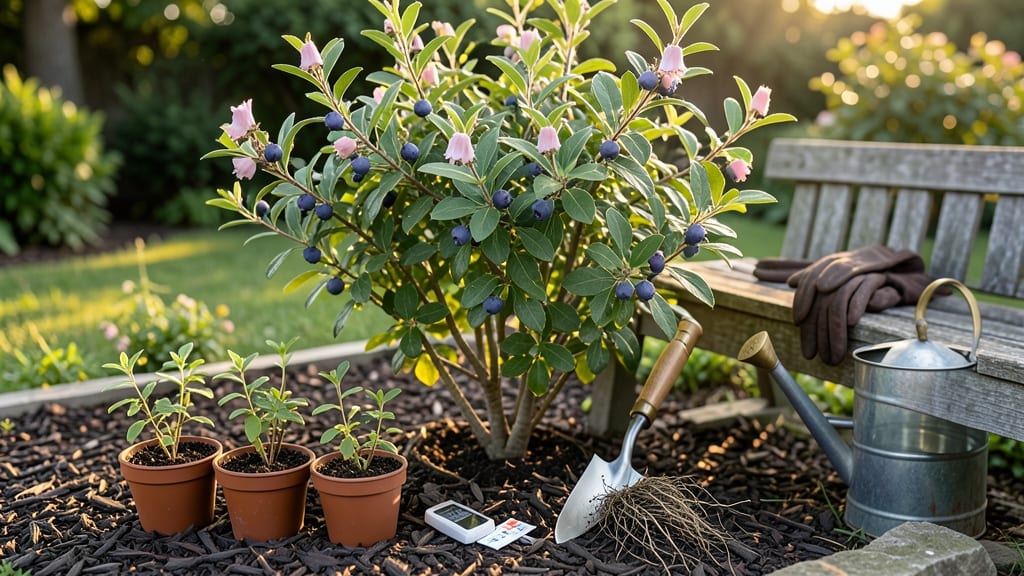
Maryland blueberry planting timeline by variety type (early vs late season)
Maryland’s USDA zones 6a-7b create a unique challenge for blueberry growers—cool springs and warm summers demand precise planting timing. The wrong window can leave your bushes vulnerable to late frosts or summer heat stress. Let’s break down the best months for each variety to maximize your harvest potential.
Southern highbush varieties (zones 7-9) thrive in Maryland’s milder coastal areas like Baltimore County, while northern highbush (zones 3-6) and rabbiteye (zones 7-9) suit inland regions. Even a 2-week difference in planting can mean the difference between thriving bushes and stunted growth.
Spring planting (February–April) is ideal for bare-root plants, while fall (September–October) works best for container-grown blueberries. Maryland’s last frost typically hits mid-April, but microclimates in Western Maryland can delay it by 2–3 weeks. Always check your local NOAA frost forecast before planting.
| Variety | Best Planting Window | Maryland-Specific Notes | Frost Risk |
|---|---|---|---|
| Southern Highbush (e.g., 'Duke', 'Premier') | Late March–April (spring) or September–early October (fall) | Thrive in coastal Maryland; avoid Western MD’s colder nights. | Low (if planted after last frost) |
| Northern Highbush (e.g., 'Bluecrop', 'Patriot') | Late February–March (spring) or late September (fall) | Best for inland zones 6a-6b; hardy to -15°F. | Moderate (young plants need frost cloth) |
| RabbitEye (e.g., 'Climax', 'Tifblue') | April–May (spring only) | Heat-loving; plant after soil temps exceed 50°F. | High (avoid fall planting) |
For spring planting, aim to get your blueberries in the ground 4–6 weeks before your area’s last frost date. In Baltimore, this is typically late March, while Western Maryland may wait until early April.
Southern highbush varieties like 'Duke' are my go-to for coastal areas—they handle humidity better than northern types.
Fall planting offers a longer window but requires 6+ weeks before frost. I recommend September for most of Maryland, but if you’re in zone 7b, push it to early October. Container-grown plants establish faster in fall because cooler temps reduce transplant shock.
Pro tip: Soil temperature matters just as much as air temperature. Use a soil thermometer—blueberries need soil at 45–55°F to root well. In Maryland, this usually aligns with late March–April for spring planting.
If you’re in zone 6a (like Frederick County), prioritize northern highbush varieties—they tolerate colder winters. RabbitEye types? Stick to zone 7b areas like Southern Maryland, where summers stay hot enough for them to thrive.
Remember: Container gardening extends your planting window. You can plant potted blueberries as late as May in Maryland, but expect a delayed first harvest. Just ensure your containers have drainage holes and use acidic potting mix.
🌱
Signs Maryland’s soil and climate are ready for blueberry planting (beyond the calendar)
Maryland’s variable climate means calendar dates alone won’t guarantee success. Before planting, check three critical factors: soil pH, moisture levels, and local frost forecasts. Blueberries thrive in acidic soil (pH 4.5–5.5), but Maryland’s native soil often tests higher—sometimes as basic as pH 7.0.
Without adjustment, your plants will struggle to uptake nutrients, even with perfect timing.
Test your soil at least 4–6 weeks before planting using a home pH test kit or submit a sample to the University of Maryland Extension. If your soil tests above 5.5, amend it with sulfur or peat moss 2–3 months ahead.
This gives microbes time to acidify the soil naturally. Never plant in unamended alkaline soil—it’s a common mistake that leads to yellowing leaves and poor fruit set.
Next, monitor moisture consistency. Blueberries hate soggy roots but also wilting stress. In Maryland’s humid summers, well-draining soil is non-negotiable. Dig a 12-inch-deep hole in your planting spot and fill it with water. If it drains in under 2 hours, the site is suitable.
If water pools after 4+ hours, amend with compost or sand to improve aeration. Western Maryland’s clay soils often need extra help here.
Finally, use NOAA’s Frost Prediction Tool (available at [NOAA’s website](https://www.noaa.gov)) to check 10-day frost forecasts before planting. Maryland’s last spring frost typically occurs mid-April in Baltimore but can vary by 2–3 weeks in Western Maryland.
For fall planting, aim for 6 weeks before your first frost date—usually late September to early October. If a hard freeze (below 20°F) is forecasted within 3 weeks, delay planting.
Pro tip: Container-grown blueberries (potted plants) can tolerate slightly later planting than bare-root varieties. If your soil isn’t ready by the ideal window, opt for container planting and move pots indoors during hard freezes. This flexibility works well for urban gardeners in Baltimore County where space is limited.
Once you’ve confirmed acidic soil, proper drainage, and a frost-free window, your blueberries will establish roots faster and produce fruit 1–2 years earlier than plants stressed by poor conditions. Patience in prep pays off—skipping these checks is how many Maryland gardeners end up with stunted bushes. 🌱