
Plants
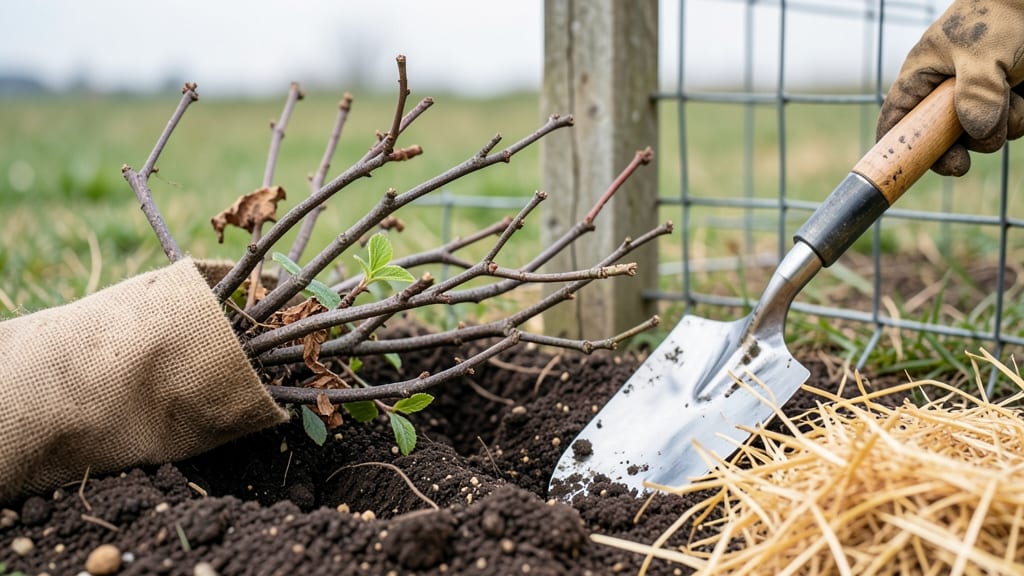
Timing your blackberry 🫐 planting in Oklahoma isn’t just about picking a month—it’s about avoiding the 3 biggest mistakes that turn hopeful gardeners into frustrated ones overnight.
You’ve probably heard “spring or fall” as the answer, but here’s the truth: Oklahoma’s 6a-7b zones have hidden rules that even local nurseries overlook. Plant too early, and frost will nip your canes before they root. Too late, and your bushes won’t establish before summer’s brutal heat kicks in.
I’ll show you the exact window—down to the week—that maximizes your chances of a thriving bush, whether you’re in the Panhandle’s dry air or the humid Cross Timbers region. Spoiler: It’s not just about the calendar.
Ready to skip the guesswork? Let’s dive into the microclimate secrets that separate a 5-gallon bucket of berries from a full harvest that puts your neighbors to shame.
Oklahoma’s microclimate zones: when to plant blackberries by region
Oklahoma’s diverse geography creates distinct microclimates that drastically affect blackberry planting success. The Arkansas River Valley and Panhandle experience earlier springs, while the Cross Timbers and Eastern Forest regions have longer frost seasons. Understanding these zones helps you time your planting for optimal root establishment before summer heat arrives.
Blackberries thrive in USDA Zones 6a-7b, but Oklahoma’s last frost dates vary by 10-14 days across regions. For example, the Panhandle’s average last frost is March 1, while eastern Oklahoma often sees frost until March 15.
Planting too early in colder zones risks frost damage, while late planting in warmer areas can stress young canes before winter.
Thornless varieties like ‘Natchez’ or ‘Arapaho’ are popular in Oklahoma due to their earlier maturity and adaptability. Traditional varieties such as ‘Cheyenne’ or ‘Ouachita’ require slightly more winter protection in northern regions. Always check the specific variety’s hardiness when selecting planting times.
Urban gardeners in Oklahoma City or Tulsa may face heat islands that warm microclimates by 2-5°F, allowing slightly earlier planting. Rural areas, however, often have cooler nights that delay root establishment. Adjust your schedule by 1-2 weeks based on whether you’re in a city or countryside location.
Fall planting is often preferred in Oklahoma because it allows roots to establish before summer heat. Aim to plant 6-8 weeks before first frost—typically September-October—to give canes time to develop a strong root system.
Spring planting should occur 2-4 weeks after last frost, ensuring soil temperatures are above 50°F.
Soil preparation is critical in Oklahoma’s clay-heavy soils. Test your soil’s pH (ideal: 5.5-6.5) and amend with compost or peat moss if needed. In sandy soils (common in western Oklahoma), add organic matter to retain moisture.
Always plant on a slightly elevated mound to improve drainage and prevent root rot.
Blackberries need full sun (6+ hours daily), but Oklahoma’s intense summer heat can scorch young plants. Choose a site with morning sun and afternoon shade if possible, especially in Zone 7b areas. A trellis system is essential—it improves airflow, reduces disease risk, and makes harvesting easier.
Remember that microclimates extend beyond regions. A north-facing slope stays cooler longer, while a south-facing wall warms up faster. Use these natural features to extend your planting window by 1-2 weeks in either direction.
Pay attention to local weather patterns—Oklahoma’s unpredictable spring rains can delay planting, so always have a backup plan.
For container growing in urban Oklahoma, plant in large pots (15+ gallons) and use fast-draining mix. Containers warm up faster, so adjust your planting timeline 1-2 weeks earlier than in-ground plants. This method also helps avoid soil-borne diseases common in Oklahoma’s heavy clay.
Whether you’re in dry western Oklahoma or humid eastern forests, timing your blackberry planting to match your microclimate is the key to successful fruit production. Use this regional guide as your starting point, then fine-tune based on your specific location’s frost dates and soil conditions.
With the right timing, you’ll enjoy bountiful blackberries for years to come! 🫐
Step-by-Step planting schedule: exact months and tasks for success
Blackberry planting in Oklahoma follows a precise timeline that aligns with soil temperatures, frost dates, and seasonal shifts. Whether you choose fall or spring planting, each month requires specific tasks to ensure your canes establish strong roots and thrive.
I’ll walk you through the month-by-month schedule that works for Oklahoma’s 6a-7b zones, including soil prep, watering, and protection strategies.
For fall planting (ideal for Oklahoma), aim to plant 6-8 weeks before first frost, typically between September and October. This timing allows roots to develop before winter dormancy. In spring, plant 2-4 weeks after last frost, when soil temperatures reach 50°F+.
Use this schedule as your roadmap to avoid common timing mistakes that derail new plantings.
Test soil pH (5.5-6.5). Amend with compost or peat moss if needed. Mark planting spots with 3-foot spacing for canes.
Plant bare-root canes in well-draining soil. Water deeply to settle roots. Apply 2-3 inches of mulch to retain moisture.
Monitor soil moisture. Add organic mulch to protect roots from freeze-thaw cycles. Avoid fertilizing.
Prune dead canes. Test soil again. Install trellis supports if not already in place.
Plant canes 2-4 weeks after last frost. Water immediately after planting. Apply balanced fertilizer (10-10-10) lightly.
Water deeply weekly. Prune new growth to encourage bushiness. Watch for spotted wing drosophila (use row covers if needed).
Harvest fully black berries. Fertilize lightly in June and July. Mulch to retain moisture during Oklahoma’s summer heat.
Oklahoma’s unpredictable weather means you’ll need to adjust this schedule based on actual frost dates and rainfall. For example, if your area experiences an early frost in October, delay fall planting until late September.
Conversely, if spring arrives earlier than expected, you can plant 1-2 weeks ahead of schedule.
Protect young plants from late spring frosts (common in Oklahoma’s Zone 6afrost cloth or row covers. In Zone 7b, focus on shade cloth during peak summer heat to prevent scorching. Always water in the early morning to reduce fungal risks from Oklahoma’s humid summers.
One critical task often overlooked is trellis installation. Oklahoma’s strong winds and heavy fruit loads can snap unsupported canes. Install a strong trellis system (e.g., T-posts with wire) before planting to save time later. This also improves airflow and sunlight exposure, reducing disease pressure.
For container growing in Oklahoma’s urban areas, adjust your timeline by 1-2 weeks earlier than in-ground plants. Containers warm up faster, so monitor soil temperatures closely. Use large pots (15+ gallons) with fast-draining mix to mimic Oklahoma’s native soil conditions while preventing root rot.
By following this month-by-month schedule, you’ll give your blackberries the best possible start in Oklahoma’s challenging climate. The key is preparation—soil testing, proper spacing, and protective measures—paired with flexibility to adapt to Oklahoma’s ever-changing weather. With the right timing, you’ll enjoy years of bountiful harvests! 🫐