
Plants
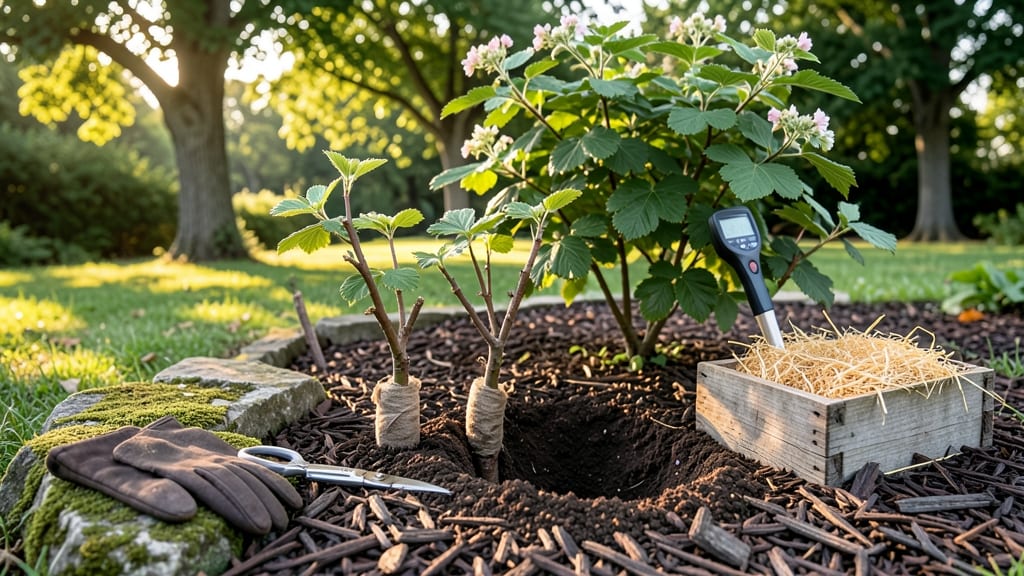
Timing your blackberry planting in North Carolina can mean the difference between a thriving 🫐 patch and years of disappointment. If you plant too early, frost will nip your canes before they take root, while waiting too long might leave them struggling to establish before winter’s chill.
The key? Matching your variety to NC’s 7a-8b zones and planting during the ideal windows of late winter or early fall.
Most gardeners in NC swear by planting in February-March or September-October, but the real secret is understanding chill hours—the number of hours below 45°F your blackberry needs to fruit properly.
Skip this step, and you might end up with canes that grow but never produce the sweet, juicy berries you’re dreaming of.
In this guide, I’ll break down the best planting times for your region, the top varieties that thrive in NC’s climate, and the critical mistakes to avoid. Whether you’re a first-time gardener or a seasoned pro, these tips will help you get your blackberries off to the strongest start possible.
Ready to set your 🫐 patch up for success? Let’s dive into the exact steps to plant your blackberries at the perfect time for maximum harvests in the years ahead.
North Carolina blackberry planting zones by chill hours
North Carolina’s diverse climate—from the Coastal Plain to the Mountains—means chill-hour requirements vary dramatically. Most NC regions fall between USDA Zones 7a-8b, but chill hours (300-1,000+) dictate which blackberry varieties thrive.
For example, Coastal NC (Zone 8a) averages just 300-500 chill hours, while the Mountains (Zone 7a) see 1,000+ hours. Planting at the wrong time—like in early spring when frost lingers—can stunt root growth or kill young canes.
I’ve grown blackberries in both Piedmont and Coastal NC, and the difference in timing is critical. In higher-chill zones (600+ hours), like the Asheville area, you can plant as early as February.
But in low-chill zones (under 500 hours), such as Wilmington, wait until late March or early April to avoid frost damage. The key is aligning your planting window with soil temperatures above 60°F and minimal frost risk.
For fall planting—my preferred method—aim for September to early October. This gives roots time to establish before winter, while avoiding the heat stress of late summer.
In Coastal NC, where winters are milder, you can even plant into November, but Mountain regions should finish by October 15th to prevent winter dieback.
Here’s how to match your chill zone to the best planting window:
| Chill Zone | NC Regions | Best Planting Window | Soil Temp Requirement | Frost Risk |
|---|---|---|---|---|
| 300-500 hrs | Coastal Plain (e.g., Wilmington, Morehead City) | Late March–April (spring) or September–November (fall) | 60°F+ | Moderate (last frost: March 15) |
| 500-700 hrs | Piedmont (e.g., Raleigh, Greensboro) | February–March (spring) or September–October (fall) | 60°F+ | Low (last frost: March 1) |
| 700-1,000+ hrs | Mountains (e.g., Asheville, Boone) | February–early March (spring) or August–September (fall) | 55°F+ | High (last frost: April 15) |
*Chill hours = # of hours below 45°F annually. Source: NC State Extension.
One mistake I see often is planting early spring blackberries too soon in Coastal NC. The soil is still cold, and late frosts can kill tender new growth. Always check the NC State Climate Office for your last frost date—planting 2-3 weeks after ensures safety.
For fall planting, aim to finish 4-6 weeks before the first expected frost to allow root establishment.
Another critical factor is soil temperature. Use a soil thermometer to confirm it’s above 60°F before planting. Cold soil slows root growth, making canes vulnerable to root rot or winter kill.
In Mountain regions, where soils warm slower, I often delay planting until mid-April to avoid this issue.
For organic gardeners, consider planting in early fall when soil is still warm but pests like Japanese beetles are less active. I’ve had the most success with September plantings in Raleigh, where the soil stays warm into October.
Just be sure to mulch heavily (4-6 inches of straw or wood chips) to insulate roots during winter.
If you’re in a transition zone (e.g., Charlotte or Durham), where chill hours fluctuate, opt for low-chill varieties like 'Natchez' or 'Arapaho'. These thrive with 400-600 chill hours and are more forgiving of timing mistakes.
For higher-chill zones, like 'Chester' or 'Triple Crown', stick to the earlier spring or late summer windows.
Pro tip: If you miss the ideal window, don’t panic! Bare-root canes can be planted in early spring (even as late as April in Coastal NC), but potted plants are more flexible—they can handle fall planting into November if soil isn’t frozen.
Just water deeply after planting to reduce transplant shock.
Finally, remember that microclimates matter. A south-facing slope in the Piedmont may warm up faster than a valley, allowing earlier planting. Observe your garden’s sun exposure and wind patterns—these can shift your ideal window by 2-4 weeks.
Best blackberry varieties for NC and their ideal planting months
North Carolina’s diverse climate means not all blackberry varieties thrive equally. Some need 500 chill hours to produce fruit, while others flourish with just 300 hours.
Choosing the right variety for your microclimate—whether you're in the Piedmont’s cooler hills or the Coastal Plain’s milder winters—directly impacts your harvest. Let’s break down the top performers and their perfect planting windows.
For Coastal NC (Zones 8a-8b), where winters are mild, low-chill varieties like 'Chester' (400-500 hours) shine. Plant these in late winter (February-March) to avoid early spring frosts.
In contrast, 'Natchez' (700-900 hours) thrives in the Piedmont (Zones 7a-7b) and should be planted in early fall (September-October) for root establishment before winter.
| Variety | Chill Hours | Best Planting Month | Region Fit |
|---|---|---|---|
| Natchez | 700-900 | September-October | Piedmont, Mountains |
| Chester | 400-500 | February-March | Coastal Plain |
| Triple Crown | 500-600 | Late February | Coastal to Piedmont |
| Ouachita | 800-1,000 | September | Mountains |
If you’re in Western NC (Zones 6b-7a), where winters are colder, prioritize varieties like 'Ouachita' (800+ hours) and plant in early fall. These canes need time to root before first frost—typically around November 15 in the mountains.
For Eastern NC, where frost arrives earlier, stick to spring planting (March) to avoid winter damage.
Pro tip: Adjust planting by 1-2 weeks based on your last frost date. Use a soil thermometer to confirm the ground is at least 60°F—cold soil stunts root growth. In sandy Coastal soils, add compost to retain moisture, while clay-heavy Piedmont soils benefit from raised beds for drainage.
Remember, fall-planted canes produce fruit the following summer, while spring-planted canes bear fruit the year after. Plan accordingly to avoid disappointment! For example, if you plant 'Natchez' in September 2024, expect your first harvest in July 2025.