
Plants
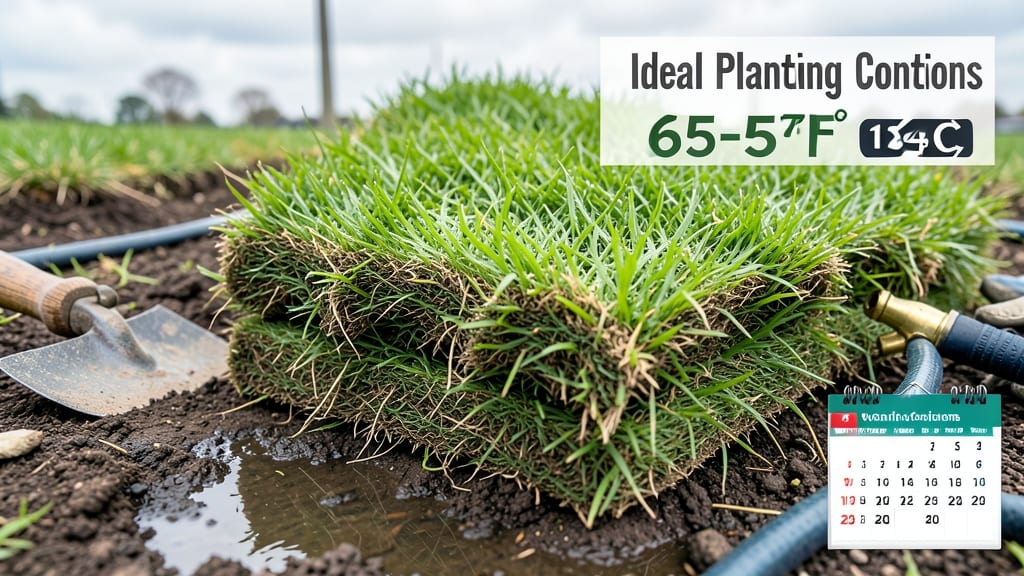
Planting Bermuda grass sod at the wrong time in Georgia can turn your dream green lawn into a costly mistake—but getting the timing right means faster root growth and a lawn that stays vibrant all year.
With Georgia’s 7b-8b climate, the ideal window for planting Bermuda grass 🌱 is early spring (March-April) or late summer (August-September), when soil temperatures hit 65°F+ and stay warm. This ensures your sod takes hold before summer heat or winter frost sets in.
Whether you're in coastal Savannah or inland Atlanta, the key is avoiding early spring planting risks like frost damage or late summer delays that slow establishment. I’ll break down the exact steps to prepare your soil, water correctly, and choose the best time for your specific Georgia zone.
Skip the guesswork—let’s get your Bermuda grass sod planted for fast, resilient growth that keeps your lawn looking its best year-round.
Best months to plant Bermuda grass sod in Georgia for optimal growth
Georgia's humid subtropical climate creates two perfect windows for planting Bermuda grass sod: early spring and late summer. These timing strategies align with soil warmth and rainfall patterns that Bermuda grass loves.
In North Georgia (USDA Zones 7b-8a), aim for mid-March to early April when frost risk drops below 10%. Meanwhile, South Georgia (Zones 8a-8b) gardeners can start as early as late February.
For late summer planting, August through early September offers ideal conditions. The soil stays warm from summer heat while cooler nighttime temperatures reduce stress on the new sod. This timing also helps Bermuda grass establish deep roots before fall rains and winter dormancy set in.
Both windows avoid the peak summer heat that can stress newly laid sod.
Here's why these months work best for your Georgia lawn:
| Planting Window | Soil Temp (°F) | Rainfall (inches) | Growth Benefit |
|---|---|---|---|
| Early Spring (March-April) | 60-75°F | 3-5 inches | Rapid root establishment |
| Late Summer (August-Sept) | 75-85°F | 4-6 inches | Deep root development |
| Avoid: Late Fall/Winter | Below 50°F | 2-3 inches | Stunted growth risk |
The key difference between these windows is root development speed. Spring planting gives you a head start on summer growth, while fall planting ensures your grass has time to anchor deeply before winter.
In coastal Georgia, where humidity is higher, late summer planting often yields better results due to reduced fungal pressure compared to spring.
For North Georgia gardeners, pay close attention to last frost dates. Planting too early (before March 15) risks frost damage to tender new roots. Use a soil thermometer to confirm temperatures stay above 65°F for at least 5 days before installation.
In South Georgia, where winters are milder, you can push planting into early October with similar precautions.
Bermuda grass is heat-loving, but even it struggles when daytime temperatures exceed 95°F during establishment. That's why late summer planting (August) works better than peak summer (June-July). The cooler evenings in late summer help sod recover overnight while maintaining daytime warmth for growth.
Pro tip: If you're in Atlanta or the Piedmont region, aim for April 1-15 for spring planting. This gives your sod 6-8 weeks of warm weather before summer heat peaks.
For Savannah or coastal areas, September 1-15 is ideal—this timing avoids the hurricane season (June-November) while still allowing root establishment before winter.
One common mistake Georgia gardeners make is planting Bermuda grass sod in May or June. While the weather seems perfect, the intense heat and lack of rainfall during these months can cause sod burn and poor root establishment.
Always prioritize soil temperature over air temperature when choosing your planting window.
For best results, schedule your planting for early morning on a cloudy day to reduce stress on the sod. Water immediately after installation with ½ inch of water, then maintain 1 inch per week until roots establish (typically 2-3 weeks).
This consistent moisture is critical for Bermuda grass to thrive in Georgia's hot summers.
Best months to plant Bermuda grass sod in Georgia for optimal growth
Georgia's humid subtropical climate creates two prime windows for planting Bermuda grass sod: early spring and late summer. The key is planting when soil temperatures consistently stay above 65°F—this ensures rapid root establishment and drought resistance.
In North Georgia (USDA Zone 7b), aim for mid-April to early May, while South Georgia (Zone 8b) can start as early as late March.
Spring planting gives Bermuda grass a 6-8 week head start before summer heat, while late summer (August-September) planting avoids winter dormancy struggles. Coastal areas like Savannah benefit from earlier planting dates due to milder winters, while inland regions should wait until after the last frost date.
For fastest establishment, plant when daytime temperatures average between 75-85°F. This range occurs naturally in Georgia's late spring and early fall. Use a soil thermometer to verify—Bermuda grass roots struggle below 60°F, leading to thin, patchy growth.
In coastal Georgia, where humidity is higher, late summer planting reduces fungal disease risks compared to spring.
One common mistake is planting too early—cool spring soils delay root growth, making sod vulnerable to weed competition. Conversely, planting in mid-summer (June-July) stresses young sod with intense heat and water demands.
Always check your local USDA frost map—Atlanta's last frost typically occurs March 15, while Augusta averages March 1.
Pro tip: If you miss the ideal windows, late August is the second-best option for Georgia lawns. By this time, summer heat has peaked, and sod has 6-8 weeks to establish before winter dormancy. Pair this with deep, infrequent watering (1-1.5 inches per week) to prevent shallow roots.
Remember, Bermuda grass is aggressive and heat-loving—once established, it outcompetes weeds naturally. But getting that critical root system down in the first 30 days makes all the difference for long-term success. 🌱