
Plants
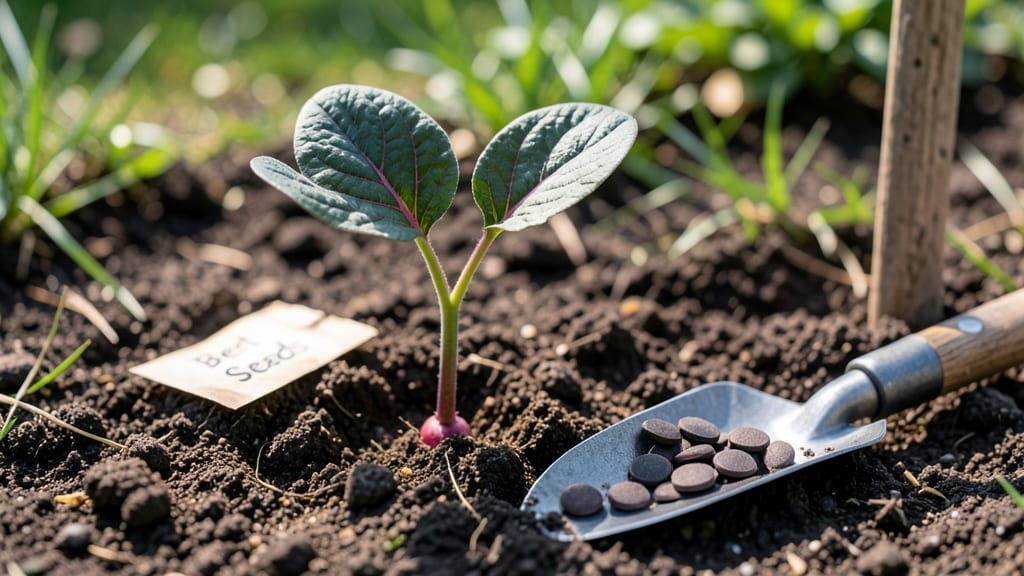
The perfect fall planting window for beets: 6-8 weeks before first frost explained
Timing your fall beet planting correctly ensures you harvest sweet, tender roots before winter sets in. The ideal window is 6-8 weeks before your first frost date, giving beets enough time to mature without bolting or turning woody.
For example, in USDA Zone 6a, where first frost typically arrives October 15, aim to plant between August 15 and September 15.
This timing balances two critical factors: root development and frost avoidance. Beets need 60-70 days to reach harvest size, but they also thrive in cooler weather. Planting too early (like July) risks bolting or bitter flavors, while late plantings (after September) may not mature before frost.
Adjust your schedule based on your local frost chart and microclimate—valleys and low-lying areas frost earlier than hillsides.
Use this simple calculation: Subtract 60-70 days from your first frost date. For instance, if frost hits November 1, plant between August 30 and September 10. Check your USDA Zone and historical frost data (available from Almanac.com or local Cooperative Extension offices) for precision.
If you’re unsure about your frost date, err on the earlier side of the window. Beets planted in late August will mature faster in cooler weather, reducing the risk of overgrowth or woody texture.
For regions with mild winters (Zones 8-10), you can extend planting into early October, but monitor forecasts closely.
| USDA Zone | First Frost Date | Ideal Planting Window | Notes |
|---|---|---|---|
| 3-4 | October 1 - October 15 | August 1 - August 20 | Short growing season; use cold-hardy varieties. |
| 5-6 | October 15 - November 1 | August 15 - September 15 | Standard window; succession plant every 2 weeks. |
| 7-8 | November 1 - November 15 | August 30 - October 1 | Extend into early October for late harvests. |
| 9-10 | November 15 - December 1 | September 15 - October 15 | Plant later; use row covers for protection. |
Microclimates can shift your planting window by 1-2 weeks. For example, a south-facing slope stays warmer longer, while a low-lying area may frost earlier. Observe your garden’s behavior: Where does frost settle first? Use row covers or black plastic mulch to extend the season in cooler spots.
For succession planting, stagger seeds every 2 weeks within your window. This ensures a steady supply of beets and maximizes your harvest. For instance, if your window is August 15-September 15, plant on August 15, 29, and September 12 for three harvest batches.
Pro tip: Test your soil before planting. Beets prefer loamy, well-draining soil with a pH of 6.0-7.0. Amend heavy clay with compost or sand, and avoid fresh manure, which can cause bolting. A light application of 5-10-10 fertilizer at planting time promotes root growth without excess leafiness.
Finally, keep an eye on the weather forecast in the weeks leading up to your planting date. If a heatwave is predicted, delay planting until temperatures drop below 80°F to prevent bolting. Conversely, if early frost warnings appear, prioritize planting sooner rather than later.
With this strategy, you’ll harvest sweet, tender beets from late fall into early winter—just in time for holiday meals! 🌱
The perfect fall planting window for beets: 6-8 weeks before first frost explained
Fall beets thrive when planted 6-8 weeks before your first frost date, giving them enough time to mature before cold sets in. This window ensures sweeter roots and avoids the bitter taste that comes from fast growth in warm soil.
For most of the U.S., this means late summer to early fall, but exact dates vary by USDA zone.
To pinpoint your ideal planting window, start by checking your local frost dates. The Old Farmer’s Almanac or your local cooperative extension provides reliable averages. For example, in Zone 6a, where the first frost typically arrives around October 15, you’d aim for mid-August to early September plantings.
Microclimates—like urban heat islands or protected garden spots—can shift your frost date by 1-2 weeks. Use a frost-free calculator or observe nearby plants like tomatoes or peppers to adjust. If you’re in a cooler zone (3-5), extend your window to 8 weeks before frost for slower growth.
| USDA Zone | First Frost Date | Ideal Planting Window | Harvest Window |
|---|---|---|---|
| 3-5 | Mid-September to early October | Late July to mid-August | October to November |
| 6-8 | Mid-October to early November | Late August to early September | October to December |
| 9-10 | Late November to December | September to early October | November to January |
For extended harvests, plant succession crops every 2 weeks until 6 weeks before frost. This staggered approach ensures a continuous supply of tender beets.
For example, if your frost date is October 15, your last planting should be by September 1, with earlier plantings ready by early October.
If you’re unsure about your frost date, use row covers or cold frames to protect beets planted up to 4 weeks before frost. These tools can delay frost damage by 2-4°F, giving your beets extra time to mature. Just remove covers during the day to prevent overheating.
Remember, soil temperature matters too. Beets grow best in 50-75°F soil. If your soil is still above 80°F in early fall, wait a week or two—hot soil speeds up growth, leading to bolting (flowering) and woody roots. A soil thermometer helps track this.
By nailing your planting window and adjusting for your zone, you’ll enjoy sweet, tender beets all fall—without the stress of last-minute harvests or wasted seeds. Happy planting! 🌱