
Plants
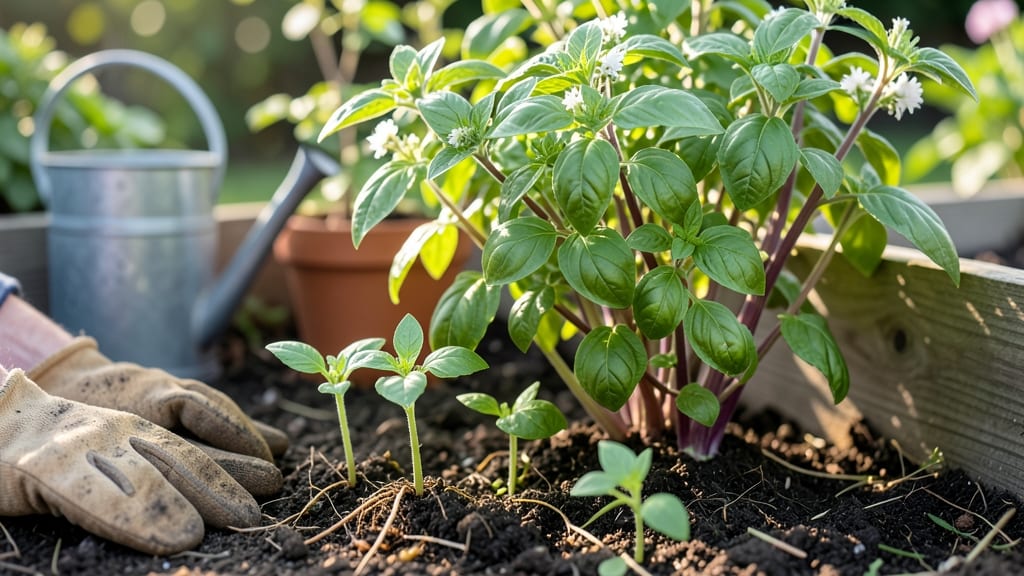
Timing your basil planting in North Carolina can mean the difference between a thriving 🌿 herb garden and a frost-killed disappointment—especially when microclimate zones shift temperatures by weeks.
Whether you're in the mountains of Asheville or the coastal plains of Wilmington, getting the exact frost-free deadlines for your region is the key to maximizing your harvest.
Basil thrives in warmth, so planting too early—before soil reaches 50°F (10°C)—can stunt growth or even kill your seedlings.
The ideal window for most of North Carolina is between April 15 and June 1, but if you're aiming for a fall harvest, August 15 to September 15 works best.
These dates align with the last frost averages across USDA zones 6b-8a, giving your basil enough time to grow before cooler weather sets in.
But here's the catch: your exact planting window depends on where you live. Mountain regions like the Blue Ridge often wait until mid-May, while coastal areas can start as early as late March.
Urban heat islands in cities like Raleigh might even allow for slightly earlier planting. I’ll break down the best strategies for your specific microclimate, so you can avoid common mistakes that waste time and resources.
Ready to grow basil that’s bursting with flavor and ready for harvest by summer? Let’s dive into the exact planting deadlines, soil prep tips, and how to extend your growing season—no matter where you are in the Tar Heel State.
North Carolina basil planting deadlines by USDA hardiness zone
North Carolina spans USDA hardiness zones 5b through 8a, meaning your last frost dates can vary by 6 weeks or more. Basil thrives when soil temperatures hit 50°F (10°C) and stays above 70°F (21°C) for germination.
Planting too early risks frost damage, while waiting too long cuts your harvest window. Let’s break down the exact planting deadlines for each zone to ensure your basil grows strong and flavorful.
In zone 5b (mountains like Boone), your last frost date averages March 15, but soil may not warm enough until April 15. For zone 6a (Piedmont cities like Greensboro), aim for April 1 to April 15.
Coastal zones like Wilmington (zone 8a) can plant as early as March 1, but avoid rushing—basil hates cold snaps. Always check your local frost dates using the NC State Climate Office for precision.
| USDA Zone | Last Frost Date | Ideal Planting Window | First Frost Risk | Fall Planting Window |
|---|---|---|---|---|
| 5b (Boone, Banner Elk) | March 15 | April 15–May 1 | October 15 | August 1–August 15 |
| 6a (Asheville, Raleigh) | March 30 | April 1–April 15 | October 30 | July 30–August 15 |
| 6b (Charlotte, Winston-Salem) | April 1 | April 15–April 30 | November 1 | August 1–September 1 |
| 7a (Fayetteville, Wilmington) | April 15 | May 1–May 15 | November 15 | August 15–September 15 |
| 7b (Coastal NC) | April 1 | April 15–May 1 | November 30 | August 1–September 1 |
| 8a (Outer Banks) | March 1 | March 15–April 1 | December 15 | August 15–October 1 |
For spring planting, wait until soil temperatures consistently stay above 50°F (10°C). Use a soil thermometer to check—basil seeds won’t germinate in cold soil. In zone 6b and below, prioritize transplanting seedlings over direct sowing, as seeds struggle in cooler conditions.
Pro tip: Start seeds indoors 4–6 weeks before your last frost date for a head start.
Fall planting is trickier in NC’s humid climate. Aim to sow seeds 8–10 weeks before your first frost date. In zone 5b, this means August 1, while zone 8a gardeners can push it to September 15.
Use black plastic mulch to warm soil and row covers to protect young plants from unexpected chills. Basil grown in fall often produces sweeter leaves due to cooler nights.
If you’re in zone 7a or warmer, you can even try winter basil with frost protection. Use containers and move them indoors before temps drop below 40°F (4°C).
This extends your harvest into December for fresh pesto or garnishes. Just avoid overwatering—basil’s roots slow down in cooler weather, making it prone to root rot.
One critical mistake NC gardeners make? Planting basil too close to summer’s end. If you miss the August 15 fall deadline, your plants may bolt (flower) before frost, ruining flavor. Instead, opt for slow-bolting varieties like Genovese or Spicy Globe, which handle NC’s heat better than standard types.
To track your local frost dates, bookmark the NC State Extension’s Frost Calculator or check Almanac.com. These tools adjust for microclimates, so you’re not guessing—you’re strategizing. With the right timing, you’ll enjoy fresh basil from June through October, or even longer with fall extensions.
Remember: Basil is a warm-season herb, and NC’s humidity can stress it if planted too early. Balance patience with opportunity—wait for warm soil, but don’t wait too long or your harvest shrinks. Start planning now, and your garden will thank you with bountiful, aromatic leaves all season.
Microclimate adjustments: how elevation and urban heat islands affect basil planting
North Carolina’s diverse geography means your basil planting window can shift by 3 weeks or more depending on whether you're in the mountains, Piedmont, or coastal plains. Elevation changes, urban heat islands, and even nearby water bodies create microclimates that demand tailored timing for your herb garden.
Let’s break down how to adjust your schedule based on your specific location.
For example, Asheville (Zone 7a) typically sees its last frost around April 15, while Wilmington (Zone 8a) can plant basil as early as March 15. The difference? Asheville’s 3,000-foot elevation keeps nights cooler, delaying soil warmth.
Meanwhile, Raleigh’s urban sprawl can create "heat islands" where soil warms 1-2 weeks earlier than rural areas just 20 miles away.
🌿
| Microclimate Type | Key Characteristics | Adjust Planting By | Example NC Location |
|---|---|---|---|
| Mountain Regions | Higher elevation (1,500+ ft), cooler nights, later soil warming | Plant 2-3 weeks later than zone average | Asheville, Boone |
| Piedmont Plateau | Moderate elevation (500-1,500 ft), typical zone timing | Follow standard USDA zone deadlines | Raleigh, Greensboro |
| Coastal Plains | Lower elevation, warmer soils, earlier last frost | Plant 1-2 weeks earlier than zone average | Wilmington, Fayetteville |
| Urban Heat Islands | Concrete/jungle areas retain heat, soil warms faster | Plant 1 week earlier than rural areas | Charlotte, Durham |
| River Valleys | Water bodies moderate temps, slower soil warming | Plant 1 week later than average | Greensboro, Winston-Salem |
If you’re unsure about your microclimate, use a soil thermometer to confirm when soil reaches 50°F—basil seeds need 70°F+ soil to germinate. For mountain gardeners, consider starting seeds indoors 4-6 weeks before your target outdoor date to give seedlings a head start against cooler temperatures.
Urban gardeners should also watch for premature heat stress in containers. Black pots absorb heat faster—opt for light-colored containers or shade cloth during peak afternoon sun to prevent wilting. Even a 5°F temperature swing between day and night can stress basil, so monitor your local microclimate conditions closely.
🌡️