
Plants
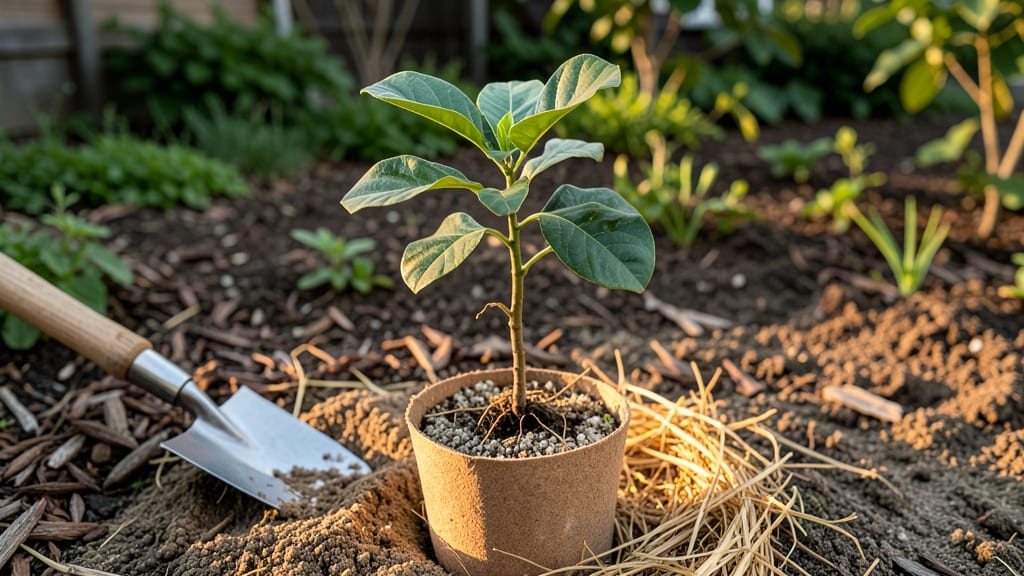
Timing when to plant avocado in the soil just right means the difference between a thriving 🥑 tree and a frost-susceptible sapling that never stands a chance.
In USDA Zone 6, where last frost lingers until mid-April, planting too early can be just as deadly as waiting too long—especially when soil temperatures hover below the 60°F threshold avocados crave.
Whether you're starting with a seed or a grafted tree, the key is patience paired with preparation. I’ll walk you through the exact warmth-triggered cues to plant—like soil thermometers and mulch layers—that create the perfect microclimate for your avocado’s roots to take hold without stress.
You’ll also discover why April to May is the magic window for Zone 6, how to spot common planting mistakes (like overwatering or poor drainage), and how to protect young trees from late-season chills. Let’s get your avocado off to the strongest start possible.
By the end, you’ll know exactly when to plant, how to prep the soil, and what to watch for in those critical first 30 days—so your avocado tree grows tall and healthy, not just survives.
Optimal soil planting times for avocado trees by climate Zone
Avocado trees thrive only when planted in warm soil—never in cold ground. The minimum soil temperature for planting is 60°F (15°C), but roots grow best in 70-85°F (21-29°C).
This means timing depends entirely on your USDA hardiness zone and last-frost dates. In Zone 10-11, you can plant year-round, but Zones 7-9 require precise timing to avoid frost damage.
Grafted avocado trees (the kind you’d buy at a nursery) are more frost-sensitive than seed-grown trees. They need at least 30 frost-free days before planting, while seed-grown trees can tolerate slightly cooler conditions. If you’re growing from seed, you can plant 2-4 weeks earlier than grafted varieties in marginal zones.
Here’s the golden rule: Wait until nighttime temperatures stay above 50°F (10°C) consistently. Use a soil thermometer to confirm warmth—planting too early is the #1 mistake that kills avocado seedlings.
In Zone 7, this usually means late May or early June, while Zones 9-11 can plant as early as March.
In the Southern Hemisphere, timing flips: Plant in September-October (spring) for Australia and South Africa, when soil warms after winter. If you’re in Zone 6 or colder, consider growing avocados in containers and overwintering them indoors—these trees cannot survive frost.
| USDA Zone | Best Planting Window | Soil Temp Threshold | Frost Risk | Notes |
|---|---|---|---|---|
| 6-7 | Container-only (spring) | 60°F+ (15°C+) | ❄️ High | Indoor overwintering required |
| 8 | Late April - May | 65°F+ (18°C+) | ⚠️ Moderate | Protect young trees with frost cloth |
| 9 | March - April | 70°F+ (21°C+) | ✅ Low | Ideal for grafted trees |
| 10-11 | Year-round (best in spring) | 75°F+ (24°C+) | 🌞 None | Fastest growth in tropical climates |
| Southern Hemisphere (e.g., Australia) | September - October | 60°F+ (15°C+) | ❄️ Low (varies by region) | Spring planting aligns with natural warmth |
🌡️ Pro Tip: Use a soil thermometer for 3 consecutive days above 60°F before planting.
Heatwaves can also stress young avocados, so avoid planting during 100°F+ (38°C+) spells. In desert climates (Zone 9b-10a), plant in early spring to let roots establish before summer’s extreme heat. If you’re in a coastal zone, cooler ocean breezes may extend your planting window into June.
For container-grown avocados, timing is less critical—just ensure your pot has drainage holes and you can move it indoors if frost threatens.
Seed-grown trees take 3-5 years to bear fruit, while grafted trees fruit in 2-3 years if planted at the right time. Rushing the process by planting too early can set your tree back by years.
In urban areas, microclimates matter. A south-facing wall can add 5-10°F of warmth, letting you plant 2-3 weeks earlier than the general guideline. Always check local weather trends—some years, the last frost is 2 weeks late, and planting too soon can be fatal.
If you’re unsure about your zone, use the USDA Plant Hardiness Zone Map and add 2-3 zones to your current zone for a safer estimate.
For example, if you’re in Zone 8a, treat it like Zone 9 for planting avocados. Patience pays off: A well-timed planting gives your avocado tree the best shot at reaching 20+ feet tall and producing fruit for decades.
🌱
How to test soil warmth and prepare planting sites like a pro
Before you even think about sticking that avocado seedling into the ground, you’ve got to test soil warmth. Avocados are tropical divas—they demand soil temperatures above 60°F to root properly.
In Zone 6, where I live, that means waiting until late April or early May, when the ground finally warms up after winter’s chill. Grab a soil thermometer (they’re cheap!) and check the temperature at a 4-inch depth—this is where the roots will be settling in.
If your soil is still cool, don’t rush it. Planting too early is a one-way ticket to root rot or frost damage. Instead, use black plastic mulch or a thick layer of straw to trap heat and speed up the warming process.
I’ve seen this trick raise soil temps by 10°F in just a few days—game-changer for impatient gardeners like me!
🌱 Step-by-Step Soil Prep for Avocado Planting
- Step 1: Test soil temperature at 4" depth with a thermometer. Wait until it hits 60°F+ consistently.
- Step 2: Amend soil with compost or aged manure to improve drainage and fertility. Avocados hate soggy roots!
- Step 3: Loosen soil to 12 inches deep to encourage root penetration. Break up compacted layers with a garden fork.
- Step 4: Mix in perlite or coarse sand (20%) to prevent waterlogging. Avocados need well-draining soil—no excuses!
- Step 5: Plant in a slightly raised mound to improve drainage. Dig a hole twice as wide as the root ball but no deeper.
For container-grown avocados, the process is simpler but no less critical. Start by ensuring your pot has drainage holes—avocados despise wet feet. Use a well-draining potting mix (like cactus/succulent blend) and repot every 1-2 years to refresh nutrients.
If you’re moving a potted avocado outdoors, harden it off for 7-10 days by gradually exposing it to outdoor conditions.
One pro tip I swear by? Mulch heavily after planting. Use wood chips or straw (3-4 inches thick) to retain moisture and regulate soil temperature. This keeps roots cool in summer and warm in spring—like a cozy blanket for your tree.
Just keep the mulch 6 inches away from the trunk to avoid rot.
Finally, choose your planting spot wisely. Avocados need full sun (6+ hours daily) and protection from strong winds. In Zone 6, I plant mine against a south-facing fence or wall to maximize warmth.
If you’re in a colder microclimate, consider a polytunnel or cold frame for the first year to shield young trees from late frosts.
With these steps, your avocado will have the perfect head start—warm soil, great drainage, and plenty of sunlight—so it grows strong and fruit-bearing in no time. 🌱