
Plants
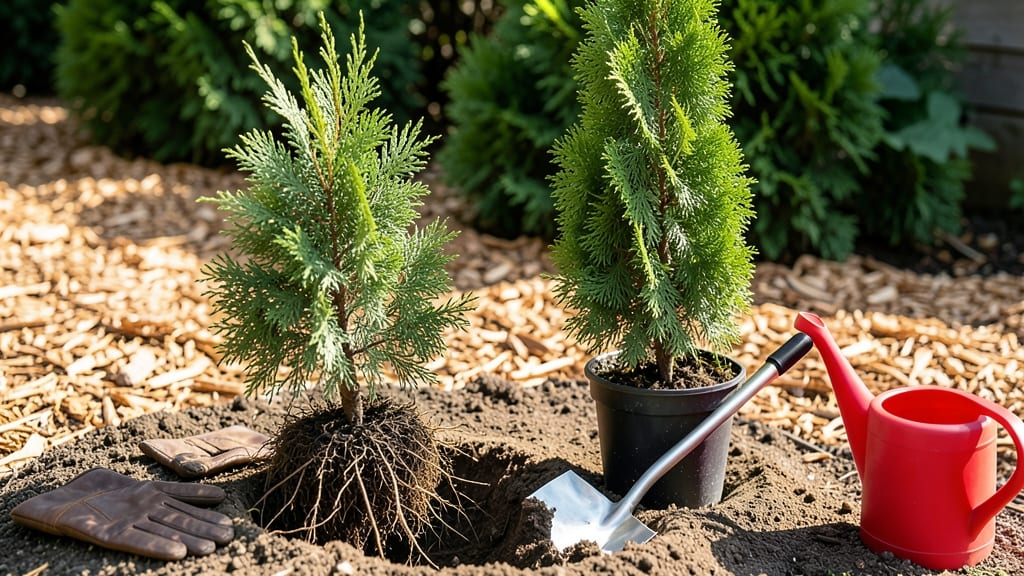
Planting arborvitae in Michigan at the wrong time can mean the difference between a thriving evergreen and a sad, stunted 🌲 that never takes off.
With Michigan's 5b-6b zones and unpredictable frost dates, timing isn't just about seasons—it's about giving your tree the best chance to establish strong roots before winter sets in.
Most gardeners know spring and fall are ideal, but did you know Michigan's last frost dates can vary by weeks between northern and southern regions? That means what works in Detroit might fail in Traverse City if you're not careful.
Let me show you exactly when to plant for maximum success in your specific corner of the state.
You'll discover why early spring (after April 15) and fall (before October 15) are the sweet spots for root growth, plus how to prepare your soil for optimal drainage. I'll also share the one mistake that kills more arborvitae seedlings than anything else—and how to avoid it completely.
Whether you're adding a privacy screen or just love the look of these elegant trees, getting the timing right means years of lush green foliage with minimal effort. Ready to plant with confidence? Let's get started.
Michigan hardiness zones & arborvitae planting months by region
Michigan spans USDA hardiness zones 4b through 6b, and your arborvitae planting window shifts dramatically between northern and southern regions. In Zone 4b (Upper Peninsula), late frosts linger until May 15, while Zone 6b (southern Michigan) sees frost-free soil by April 1.
Planting too early in cold zones risks root freeze, while late planting in warm zones may stress seedlings before winter.
For optimal root establishment, aim for 6-8 weeks before first frost in fall or 2-4 weeks after last frost in spring. Michigan’s Great Lakes influence creates microclimates—coastal areas (like Traverse City) warm faster than inland zones.
Always check your local frost dates via Michigan State University’s climate maps before digging.
🌱
| Zone | Best Planting Months | Key Risks | Soil Prep Tip |
|---|---|---|---|
| 4b (UP) | Late May–early June or September 1–15 | Late frosts, poor drainage | Amend with peat moss for acidity |
| 5a (Northern Lower) | April 15–May 1 or September 15–October 1 | Early spring drought | Test pH (ideal: 6.0–7.0) |
| 5b (Central) | April 1–April 15 or October 1–15 | Compacted clay soil | Add sand for drainage |
| 6a (Southern) | March 15–April 1 or September 30–November 1 | Heat stress in late fall | Mulch with pine bark |
| 6b (Southeast) | March 1–March 15 or October 15–31 | Humidity/fungal risk | Space 3–5 ft apart |
In Zone 4b (e.g., Marquette), prioritize fall planting (September 1–15) to let roots establish before winter. Use container-grown arborvitae for extra protection—they transplant 3x better than bare-root in cold climates.
For Zone 6b (e.g., Detroit), early spring (March 1–15) works, but avoid planting after April 15 to prevent summer drought stress.
Pro tip: Bare-root arborvitae must be planted within 24–48 hours of purchase in Michigan’s dry springs. Soak roots in water + rooting hormone before transplanting. For container-grown varieties, plant anytime in the recommended windows—they handle transplant shock better.
🌿
Soil temperature is your secret weapon. Use a soil thermometer—ideal planting temps are 40–70°F. In northern Michigan, wait until soil warms to 50°F for spring planting.
In southern zones, plant arborvitae in October to capitalize on cool, moist soil that encourages root growth before winter dormancy.
🪴
Michigan’s
Michigan hardiness zones & arborvitae planting months by region
Michigan spans USDA zones 3-7, creating dramatic differences in frost timing. In Zone 4 (northern Michigan), late frosts can linger until May 15, while Zone 6 (southern Michigan) typically sees its last frost by April 15.
This means your planting window shifts by weeks depending on where you live.
For Zone 5-6 (most of Michigan), the ideal planting window is April 15-May 15 (spring) or September 15-October 15 (fall). Northern Zone 4 gardeners should wait until May 1-May 15 to avoid frost damage, while Zone 7 (southern tip) can plant as early as March 15 in spring.
Here’s how Michigan’s zones break down for arborvitae planting:
Fall planting often gives arborvitae a head start on root growth before winter dormancy. In Zone 5-6, aim to plant by October 15 to allow roots to establish before the ground freezes. For Zone 4, push planting to September 15 to avoid early snow cover.
Always check your local Michigan State University Extension frost dates before planting. Even within a zone, microclimates (like near the Great Lakes) can shift frost dates by 1-2 weeks. For example, Traverse City’s frost dates differ from Detroit’s, so verify your exact location.
Pro tip: If planting in late spring (May-June), water deeply every 3-5 days until roots establish. Mulch with 3 inches of wood chips to retain moisture and protect roots from temperature swings. 🌲