
Plants
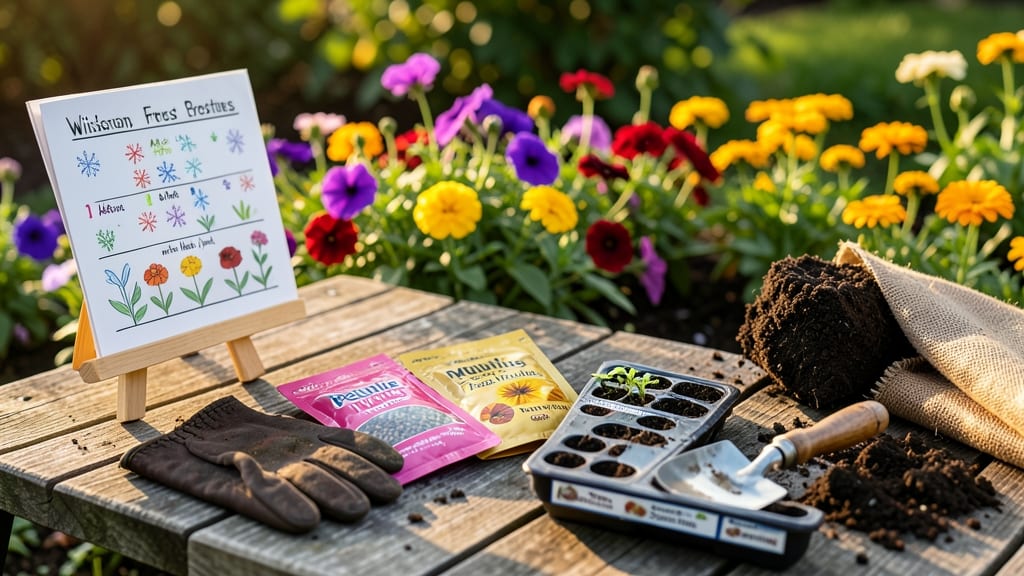
Timing your annuals planting in Wisconsin can mean the difference between a vibrant garden and a sad, frost-bitten disappointment. With Wisconsin's 4a-6b zones bringing unpredictable frost dates, knowing exactly when to plant your 🌸 favorites is the key to success.
Most gardeners wait until after the last frost—typically mid-April to early June—but that's just the starting point. The real secret lies in understanding your specific zone, soil temperature, and even the type of annuals you're growing.
Cool-season varieties like pansies can handle early planting, while heat-lovers like marigolds need warmer soil to thrive.
In this guide, I'll break down the exact planting windows for Wisconsin's zones, share pro tips for extending your growing season, and reveal the best annuals for our short but sweet summer. Whether you're planting flowers or veggies, you'll learn how to time it perfectly for maximum blooms and harvests.
Ready to transform your garden from "meh" to "wow"? Let's dive into the science—and simple strategies—behind planting annuals that will keep your Wisconsin landscape bursting with color all season long.
Wisconsin frost dates by planting Zone: when to plant annuals safely
Wisconsin’s USDA Zones 3-5 mean frost dates vary dramatically from north to south. In Zone 3 (northern WI), the average last frost date is around May 15, while Zone 5 (southern WI) typically sees its last frost by April 20.
These dates determine when you can safely plant heat-loving annuals like marigolds or tomatoes.
For cold-hardy annuals such as pansies or snapdragons, you can start planting as early as late March to early April in Zone 5, but wait until mid-May in Zone 3. Always check your local frost-free date—Wisconsin State Climatology Office provides updated forecasts.
Here’s how to use this comparison table for your region’s planting windows:
| Zone | Last Frost Date | Safe Planting Window (Warm Annuals) | Cold-Hardy Annuals |
|---|---|---|---|
| Zone 3 | May 15 | After May 22 (wait 2 weeks post-frost) | Late March–April 15 |
| Zone 4 | May 1 | After May 15 | Late March–April 1 |
| Zone 5 | April 20 | After April 25 | Late March–March 31 |
In Zone 3, tomatoes and peppers should wait until June 1 to avoid frost damage, while marigolds can go in by May 22. For Zone 5, basil and cosmos thrive when planted by April 25. Always verify soil temperature—50°F is the minimum for most annuals.
Use a soil thermometer to confirm readiness. If your soil is still cold, opt for cold-frame planting to jumpstart growth. For example, spinach and lettuce can handle cooler temps and may be planted as early as March 15 in Zone 5.
For succession planting, start fast-growing annuals like bush beans every 2-3 weeks after your last frost date. This ensures continuous blooms or harvests all season. In Zone 3, this might mean planting zinnias in June for late-summer color.
Urban areas often have microclimates—south-facing walls or paved surfaces can warm up faster. Test these spots with temporary row covers to extend your planting window by 1-2 weeks. For example, petunias planted under cover in Zone 4 may survive a light frost.
Remember: Nighttime temperatures matter more than daytime highs. If nights drop below 50°F, tender annuals like geraniums will struggle. Use frost cloth for extra protection during unpredictable May frosts, which are common in Wisconsin.
Pro tip: Bookmark the Midwest Regional Climate Center for real-time frost alerts. Their data helps adjust planting dates based on yearly variations. For instance, 2023’s late frost in Zone 5 delayed planting by 3 weeks—don’t assume historical averages are foolproof.
How to extend your Wisconsin planting season for annuals
Wisconsin’s short growing season doesn’t mean you have to miss out on vibrant annuals. With the right strategies, you can push planting dates later and enjoy blooms well into fall. The key is using season extenders like row covers and cold frames to protect tender plants from unpredictable late frosts.
Start by selecting cold-hardy annuals like pansies or snapdragons, which tolerate cooler temperatures. These varieties can be planted as early as mid-April in most of Wisconsin, giving you a head start. For heat-loving plants like tomatoes or marigolds, wait until the soil temperature reaches at least 50°F before transplanting.
🌱 Pro Tip: Always check your local last frost date (typically mid-May in southern WI, early June in the north) and add a 2-3 week buffer to account for late frosts. Use a frost calendar from your county extension office for precise timing.
⚠️ Common Mistakes to Avoid
Planting too early in cold, wet soil can stunt growth or kill seedlings. Avoid rushing—wait for consistent daytime temps above 50°F and nighttime temps above 40°F.
Ignoring microclimates (like urban heat islands or sheltered garden spots) can lead to uneven growth. Test your soil temperature with a soil thermometer before planting.
Overlooking row covers for late-season planting can result in lost plants. Use floating row covers to protect tender annuals until mid-October in southern WI.
For a second planting of annuals in late summer, aim for late July to early August in northern WI or mid-August in the south. Choose fast-maturing varieties like zinnias or cosmos, which bloom in 6-8 weeks.
Use black plastic mulch to warm the soil and straw mulch to retain moisture.
If you’re eager to start earlier, try indoor seed starting in March. Begin with cool-season annuals like lettuce or calendula, which thrive in 50-60°F soil. Transplant seedlings outdoors 2-3 weeks before the last frost date to give them time to acclimate.
💡 Bonus Tip: Pair row covers with drip irrigation to keep plants hydrated without wetting the foliage, reducing the risk of fungal diseases like powdery mildew. This combo extends your planting window by 3-4 weeks in both spring and fall.