
Plants
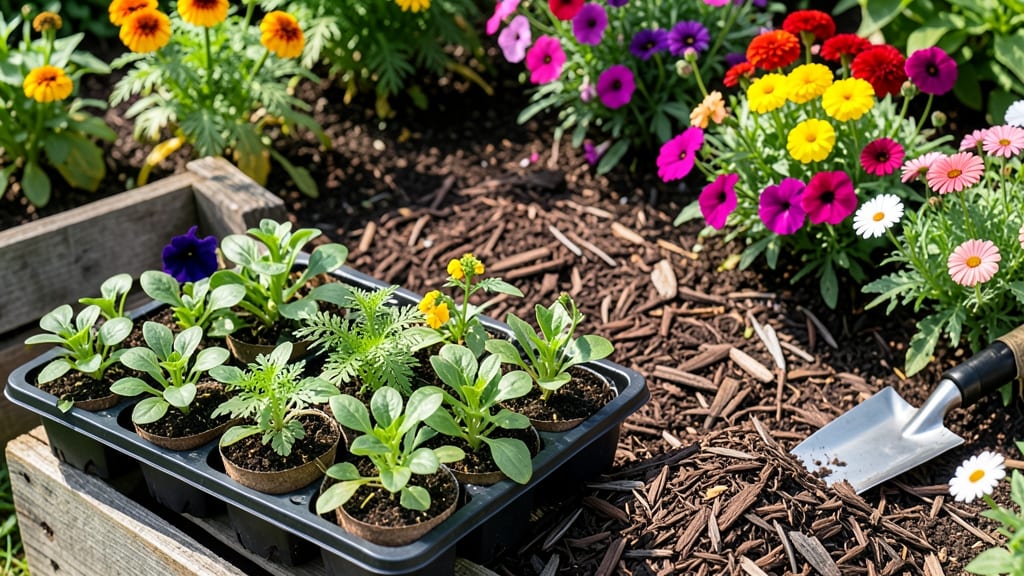
Planting annuals in Missouri at the wrong time means watching your hard work melt away with the first frost—or worse, wilting under summer’s brutal heat before they even bloom.
The key to vibrant gardens lies in knowing your zone-specific deadlines, and I’ve got the exact timing you need to avoid costly mistakes.
Missouri’s climate varies wildly from St. Louis to Kansas City, where last frost dates can differ by 2-3 weeks. Cool-season annuals like pansies need to hit the soil as soon as the ground thaws, while heat-lovers like zinnias wait until soil temperatures climb above 60°F.
Get it wrong, and you’re left with sad, stunted plants—or worse, no plants at all.
I’ll walk you through the perfect planting windows for every Missouri zone, plus pro tips to stretch your season with row covers and succession planting. Whether you’re a first-time gardener or a veteran green thumb, these deadlines will help you time it just right.
Ready to transform your garden into a blooming paradise? Let’s dive into the exact dates you need to plant annuals this spring—and keep them thriving all summer long.
Missouri planting zones: when to plant annuals by last frost dates
Missouri’s diverse climate—from the humid heat of St. Louis (Zone 6b) to the cooler highlands near Springfield (Zone 6a)—means your last frost dates can vary by 2-3 weeks.
Understanding these zones helps you plant cool-season annuals like pansies at the right time while avoiding frost damage to warm-season favorites such as marigolds. Let’s break down the key deadlines for each zone.
For Zone 5a (northwest Missouri, like Kansas City), the average last frost date is April 15-20. In Zone 6a (central Missouri), you’ll typically see frost-free conditions by April 25-May 1.
Meanwhile, Zone 6b (southern Missouri) often warms up by April 10-15, giving you an earlier start. These dates are critical for direct-sowing annuals like zinnias or petunias.
Here’s the golden rule: Wait until the soil temperature reaches 60°F (15°C) for warm-season annuals. Use a soil thermometer to check—cool soil slows germination. For cool-season annuals like lettuce or snapdragons, plant 4-6 weeks before the last frost to ensure they mature before summer heat sets in.
Urban areas like St. Louis often experience microclimates that are 2-5°F warmer than rural zones, thanks to concrete and buildings trapping heat. If you’re in a city, you might safely plant warm-season annuals 1-2 weeks earlier than the average date.
Conversely, higher elevations (like near Branson) may need to wait until May 10 or later for safety.
Missouri’s first frost dates typically arrive between October 15 (Zone 6b) and October 30 (Zone 5a). This means you can extend your fall planting season for cool-tolerant annuals like kale or pansies until early September. Always check the National Weather Service for 10-day forecasts before planting late-season crops.
| Zone | Last Frost Date | Cool-Season Planting Window | Warm-Season Planting Window | First Frost Date |
|---|---|---|---|---|
| 5a (e.g., Kansas City) | April 15-20 | March 15-April 15 | May 10-June 1 | October 25-November 1 |
| 6a (e.g., Springfield) | April 25-May 1 | March 1-April 15 | April 20-May 15 | October 15-20 |
| 6b (e.g., St. Louis) | April 10-15 | February 28-April 10 | April 1-May 10 | October 10-15 |
🌱 Pro Tip: Adjust dates by 1-2 weeks for urban heat islands.
If you’re unsure about your zone, use the USDA Plant Hardiness Zone Map and cross-reference with local agricultural extension reports. For example, Columbia (Zone 6a) might see frost until May 5, while Poplar Bluff (Zone 7a) could be frost-free by March 20.
Always err on the side of caution—frost-sensitive annuals like impatiens will bolt if exposed to cold.
For direct-sowing annuals, like marigolds or cosmos, wait until 2 weeks after the last frost to ensure soil warmth. Meanwhile, transplants (e.g., petunias or geraniums) can handle slightly cooler soil, so you can plant them 1 week earlier than the frost-free date.
Always harden off seedlings for 7-10 days before transplanting to avoid shock.
Missouri’s unpredictable weather means you should have a backup plan. Keep row covers or a cold frame on hand to protect young plants if
How to extend your Missouri annual planting season without risking frost
Missouri’s unpredictable springs and early autumn frosts can turn your annuals into frost casualties. But with the right strategies, you can safely push your planting windows by 2-4 weeks—both earlier in spring and later in fall. The key is protecting tender seedlings from 28°F or lower temperatures, which is common in Missouri’s Zone 5a-6b regions. Start by hardening off seedlings 7-10 days before transplanting. Acclimate them gradually to outdoor conditions by placing them in partial shade during the day and bringing them indoors at night. This mimics Missouri’s cool nights and warm days, preparing plants for the transition.Pro tip: Pair row covers with drip irrigation to keep soil moist without wetting foliage—damp leaves invite fungal diseases like powdery mildew, which thrives in Missouri’s humid summers. 🌱