
Plants
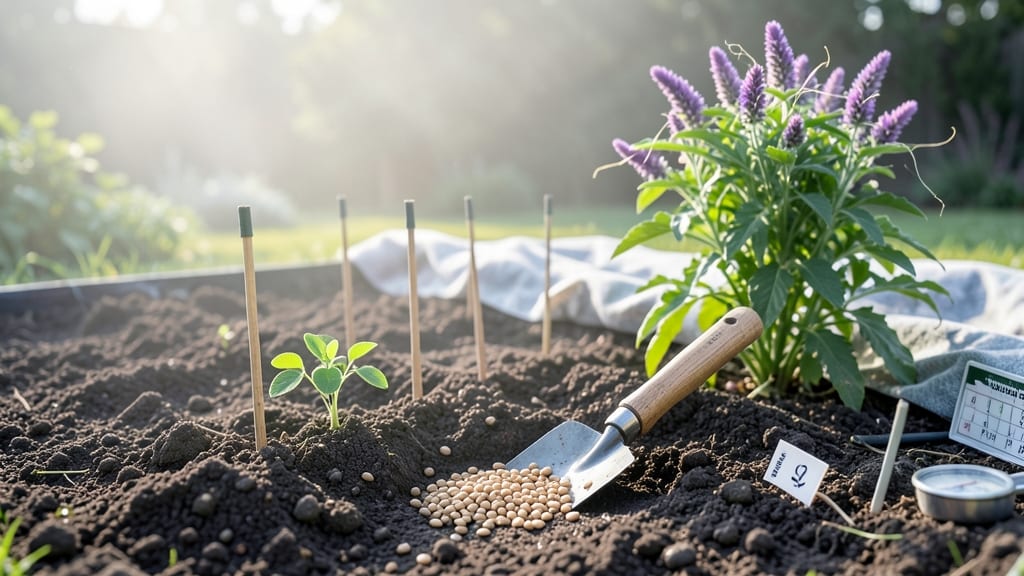
Timing your alfalfa planting in Michigan’s Zone 5b-6a climate can make or break your harvest—get it wrong, and you risk frost damage or stunted growth. This hardy forage crop thrives when planted at the right moment, but Michigan’s unpredictable spring weather throws a wrench into the plan.
Most gardeners in the Great Lakes State wait until after the last frost date, typically between mid-April and early May, to plant alfalfa 🌱. However, late summer plantings can also work if you’re aiming for a fall harvest. The key is understanding your specific frost dates and soil temperatures.
In this guide, I’ll break down the best planting windows for your region, including early vs. late strategies and how to prepare your soil for success. Whether you’re growing alfalfa for forage, soil improvement, or livestock feed, these insights will help you maximize your yield.
Let’s dive into the frost-free window that works best for your Michigan garden—and why timing matters more than you might think.
Michigan’s ideal planting window for alfalfa by frost dates
Michigan’s Zone 5b-6a climate demands precise timing for alfalfa planting—too early, and frost will kill seedlings; too late, and you miss the 150 frost-free days needed for a full harvest.
The last spring frost typically arrives between mid-April and early May, while the first fall frost hits mid-October to early November. For best results, aim to plant alfalfa 3-4 weeks after your last frost date to ensure soil temperatures stay above 50°F.
Alfalfa thrives in Michigan’s early spring and late summer windows. Early spring planting (March-April) gives plants a head start, while late summer planting (July-August) avoids summer drought stress. Michigan State University Extension recommends waiting until soil temperatures consistently reach 50°F—a critical threshold for seed germination.
Use a soil thermometer to verify before planting.
Here’s how Michigan’s regions differ: Northern areas (Zone 5b) should wait until late April to early May, while southern regions (Zone 6a) can start as early as mid-April.
Always check your local USDA Plant Hardiness Zone map for precise frost dates, as microclimates can shift planting windows by 1-2 weeks.
🌱
Michigan Alfalfa Planting Timeline
| Stage | Zone 5b (Northern MI) | Zone 6a (Southern MI) | Key Consideration |
|---|---|---|---|
| Soil Warm-Up | Mid-April | Early April | Wait for 50°F soil temp |
| Ideal Planting | Late April-Early May | Mid-April-Mid May | 3-4 weeks post-frost |
| Late Summer Backup | July-August | July-August | Avoid drought months |
| Harvest Window | Late July-Early Oct | Early July-Late Oct | Before first frost |
For forage production, prioritize early spring planting to maximize harvest cycles before summer heat sets in. If growing alfalfa for seed production, late summer planting (July-August) allows plants to establish before winter dormancy.
Always test your soil’s pH (6.5-7.0) before planting—alfalfa is sensitive to acidic soils common in Michigan’s sandy loams.
Pro tip: Use black plastic mulch in early spring to warm soil faster, or plant near south-facing fences/walls to create microclimates that extend your planting window by 1-2 weeks. This is especially helpful in Michigan’s Zone 5b areas where frost lingers longer.
One common mistake is planting alfalfa too early and risking frost damage. To avoid this, monitor the National Weather Service’s 30-day forecasts and use frost cloth if late frosts are predicted. For late summer plantings, ensure 1-2 inches of rainfall per week to prevent drought stress during establishment.
🌡️
Remember: Alfalfa’s root system takes 60-90 days to establish. Planting too late in the season leaves insufficient time for roots to anchor before winter, leading to poor regrowth the following spring.
Balance your planting date with your harvest goals—forage crops need 3-4 harvests per season, while seed crops require full maturity before frost.
For Michigan gardeners, the best planting window is a 3-week period after your last frost date. Use this timeline as your guide, but always adjust for your specific microclimate. Local farmers' markets and MSU Extension offices often host free soil testing and planting workshops—attend one to fine-tune your schedule!
Michigan’s ideal planting window for alfalfa by frost dates
Michigan’s Zone 5b-6a climate creates a tight window for planting alfalfa, where timing can make or break your crop. The key is planting after the last spring frost—typically mid-April to early May—but before summer heat sets in.
For northern Michigan, aim for late April, while southern regions can start as early as mid-April.
Soil temperatures must reach 50°F (10°C) for seeds to germinate properly. Waiting until soil warms ensures strong root development and avoids seed rot from lingering cold. Check Michigan State University’s frost date maps for your specific county to pinpoint the safest window.
Early planting in late March risks frost damage, but late summer planting (around July-August) can also work for second-year stands. However, summer-planted alfalfa may not mature fully before winter, reducing hardiness.
| Planting Window | Soil Temp | Frost Risk | Best For |
|---|---|---|---|
| Late April - Early May | 50°F+ (10°C+) | Low | Primary stand |
| July-August | 60°F+ (15°C+) | None | Second-year stand |
| Early September (Zone 6a only) | 55°F+ (13°C+) | Moderate | Late-season growth |
For Zone 5b regions (northern Michigan), prioritize late April planting to maximize the 150-day frost-free season. In Zone 6a (southern Michigan), you can push planting to early May or even September for a fall establishment. Always test soil moisture—alfalfa needs consistently moist soil during germination.
Pro tip: Use a soil thermometer to confirm readiness. If soil temps drop below 50°F (10°C) after planting, cover seeds with straw mulch to retain warmth. This simple trick can boost germination rates by 30% in cooler springs.
Remember, alfalfa’s deep taproot system benefits from well-drained soil. Amend heavy clay soils with compost or sand before planting to prevent waterlogging, which stunts root growth. Aim for a pH of 6.5-7.0 for optimal nutrient uptake.
By aligning your planting with Michigan’s frost dates and soil conditions, you’ll set your alfalfa up for vigorous growth and high yields. Start early, monitor soil temps, and your crop will thrive despite the state’s unpredictable climate. 🌱