
Plants
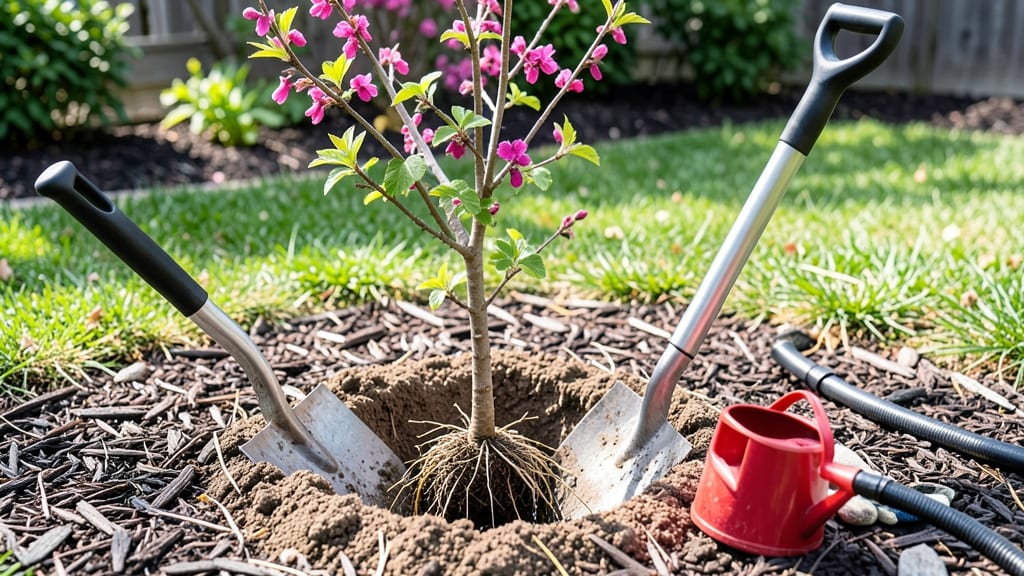
Timing your 🌳 tree planting in Texas wrong could mean watching your investment wither before it ever takes root. The key isn’t just picking a random month—it’s understanding how Texas’s brutal summers and unpredictable winters create a narrow window where roots can establish without fighting for survival.
Whether you’re planting a towering live oak or a delicate fruit tree, the best months vary dramatically from North Texas’s chilly winters to South Texas’s delayed frost dates.
We’ll break down exactly when to dig—plus how soil temperature, rainfall patterns, and even your tree’s species dictate the perfect moment for planting.
You might think spring is ideal, but in 6a-10a zones, planting too early risks shocking young roots when summer heat arrives. I’ll show you how to align your planting schedule with Texas’s microclimates so your tree thrives from day one—no guesswork required.
From the 30-day watering rule to avoiding the #1 mistake Texas gardeners make (planting in compacted soil), this guide gives you the confidence to plant like a pro. Let’s get your tree off to the strongest possible start.
Best months to plant trees in Texas by region (north vs central vs south)
Texas’ diverse climate means one planting window doesn’t fit all. North Texas’ chilly winters contrast with South Texas’ mild winters, while West Texas faces extreme drought. To succeed, align your planting with your region’s last frost dates, soil moisture, and species hardiness.
For example, a live oak in Austin thrives when planted in October, but the same tree in Dallas needs to wait until November.
Timing isn’t just about months—it’s about avoiding summer’s brutal heat and leverage winter rains. Texas’ USDA zones 6a–10a create microclimates where a 30-day difference can mean the difference between a thriving tree and one struggling to survive.
Let’s break down the best times to plant by region, so you can give your tree the strongest start.
Notice how West Texas waits until November while East Texas can start in October? That’s because soil temperature (not just air temperature) determines root growth. Use a soil thermometer—ideal planting soil should be 60–70°F.
If your soil is colder, delay planting until it warms up, even if it’s technically within the "window."
For container-grown trees, you have slightly more flexibility—plant them anytime except during extreme heat (above 90°F) or frost. But bare-root trees must go in the ground while dormant. If you miss the window, opt for potted trees and plant them in early spring once temperatures stabilize.
Pro tip: Check NOAA’s Texas climate maps for your exact last frost date. For example, San Antonio’s last frost averages January 15, while El Paso’s is March 1.
Planting too early in San Antonio risks frost damage, while planting too late in El Paso means scorching summer heat before roots establish.
Regional differences also affect watering needs. In drought-prone West Texas, deep watering (15–20 gallons) every 7–10 days is critical, while East Texas’ humidity allows for slightly less frequent watering. Always prioritize deep, infrequent watering over light, daily sprinkles to encourage strong root growth.
Finally, native species are your best bet for survival. A live oak in Central Texas or a mesquite in West Texas will thrive with minimal fuss, while non-native trees may struggle. Stick to regionally adapted species to reduce stress and maintenance.
Now that you know the best months by region, let’s dive into the critical factors that determine whether your tree will survive—or fail—despite perfect timing.
Critical factors that determine Texas tree planting success (beyond just months)
Texas’s soil temperature is the real gatekeeper for tree planting success—not just the calendar date. A soil thermometer reveals when roots can safely establish. Aim for 60–70°F soil temps, which typically aligns with late fall through early spring in most regions.
Planting too early in cooler zones (6a-7a) risks frost damage, while waiting too late in warmer zones (9a-10a) means roots struggle to adapt before summer’s heat spikes.
Don’t rely solely on air temperature—clay soils in Central Texas can stay cold long after the air warms, while sandy soils in West Texas heat up faster. For example, in Austin’s clay-heavy soil, December planting often works, but in Lubbock’s sandy loam, January is safer.
Always check soil temps 6 inches deep before digging.
Rainfall patterns override calendar dates more than most gardeners realize. Texas’s unpredictable weather means planting before the first 4–6 weeks of consistent rainfall can dehydrate young roots. Use NOAA’s Texas climate zone maps to track seasonal rainfall trends—East Texas’s humid summers provide natural moisture, while West Texas’s drought-prone areas demand supplemental irrigation even after planting.
Your tree’s species-specific needs often trump regional averages. For instance, pecan trees require cool winter dormancy to set buds, so North Texas gardeners should plant by December, while South Texas growers wait until January.
Similarly, fruit trees like figs thrive when planted in early spring (February–March) to avoid late frosts, regardless of your region.
Soil Temperature Matters More Than Air Temperature
Use a soil thermometer (ideal: 60–70°F). Plant when roots can establish before summer heat spikes.
Rainfall > Calendar Dates
Avoid planting before the first 4–6 weeks of consistent rainfall (check NOAA’s Texas climate zones).
Species-Specific Needs Override Regions
Example: Pecan trees need cool winters for dormancy—plant in North Texas by December, but wait until January in South Texas.
The 30-Day Rule for Post-Planting Care
Water deeply every 7–10 days for the first 30 days, then taper to every 2 weeks once roots spread.
Even if you nail the planting window, post-planting care makes or breaks survival. The 30-day rule is non-negotiable: Water deeply every 7–10 days to encourage root spread, then reduce to bi-weekly once roots establish.
In drought-prone areas, use drip irrigation to deliver moisture directly to the root zone without waste.
Pro tip: Mulch correctly to retain moisture and regulate soil temps. Apply 3–4 inches of organic mulch (like shredded bark) in a 6-inch-wide ring around the base, but never pile it against the trunk.
This simple step can improve survival rates by up to 40% in Texas’s extreme conditions.
Finally, avoid fertilizing for the first 6–8 weeks after planting—new roots need energy to grow, not nutrients. Once established, feed with a balanced 10-10-10 fertilizer in early spring to support new growth. Remember: Texas trees need patience, not shortcuts.