
Plants
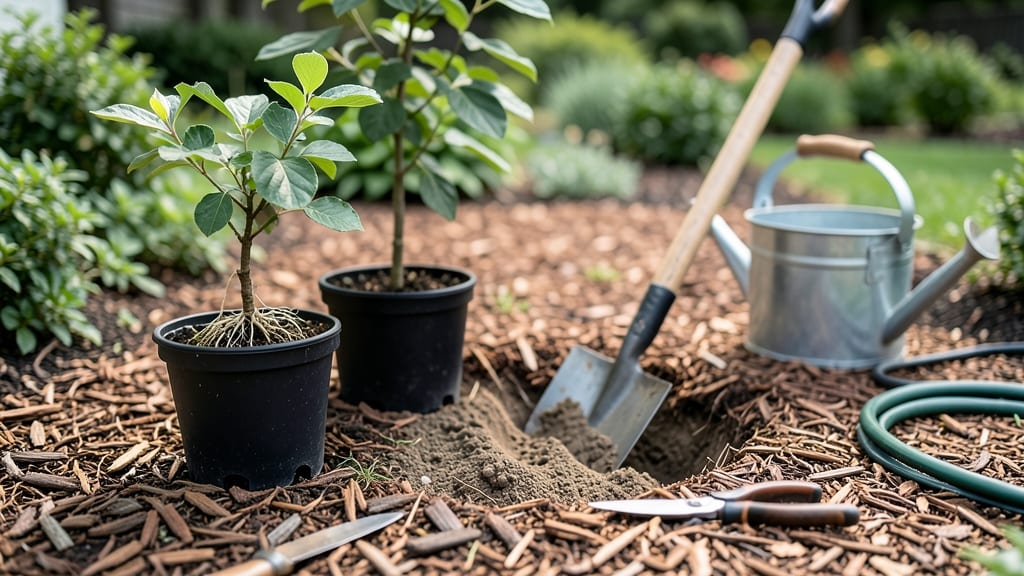
Timing your Dogwood Tree 🌳 planting in fall could mean the difference between a thriving tree next spring and one struggling to take root. The 4-6 week window before your first frost isn't just a suggestion—it's the sweet spot for strong root establishment before winter sets in.
If you're in USDA Zone 6a (like many gardeners in the Midwest), that means aiming for mid-September through early October. But what if your fall arrives early or late?
I'll break down exactly how to adjust your planting schedule based on your local climate to avoid common mistakes that can stunt your tree's growth.
Beyond just the calendar, there are key soil and weather indicators to watch for—like soil temperature and frost forecasts—that tell you when your Dogwood is truly ready to go in the ground.
Getting this right means your tree will wake up in spring with a head start on its neighbors planted at the wrong time.
Let me walk you through the exact steps to prepare your site, plant correctly, and care for your Dogwood through winter so it emerges next year stronger than ever. Your future shade tree's success starts with these simple but critical fall planting decisions.
Fall planting deadlines by USDA hardiness zones: exact dates for dogwood success
Planting a dogwood tree in fall is a smart move—cooler temperatures and moist soil help roots establish before winter. But timing varies dramatically by USDA zone. In northern zones (3-6), you’ll have just 4-6 weeks before frost, while southern zones (7-10) can stretch planting until late November.
Let’s break down the exact windows to avoid stunted growth or winter stress.
The ideal soil temperature for dogwood planting is 40-60°F. In Zone 3-5, aim for mid-September to early October—any later, and roots won’t harden before frost. Meanwhile, Zone 7-10 gardeners can plant until mid-November, thanks to milder winters.
Use a soil thermometer to confirm—dogwood roots won’t thrive if planted in cold, hard soil.
Here’s how to adjust for early vs. late falls. If your area had an unusually warm September, delay planting until soil temps drop below 70°F to prevent transplant shock.
Conversely, if frost arrives earlier than expected, prioritize planting bare-root dogwoods (they establish faster than container-grown trees) and protect them with mulch or burlap.
| USDA Zone | Ideal Planting Window | Soil Temp Goal | Frost Risk |
|---|---|---|---|
| Zones 3-5 | Mid-September to early October | 40-50°F | High (first frost: Oct 15-Nov 1) |
| Zones 6-7 | Late September to mid-November | 45-55°F | Moderate (first frost: Nov 1-Dec 1) |
| Zones 8-10 | October to mid-December | 50-60°F | Low (first frost: Dec 15-Jan 15) |
Northern gardeners in Zones 3-5 should plant by October 1st to give roots time to establish. The earlier frost dates in these zones mean dogwoods planted in late October may struggle to develop sufficient root mass before dormancy.
For Zone 4-5, consider container-grown dogwoods if bare-root options aren’t available—they handle late-season planting slightly better.
In Zones 6-7, the window is more flexible, but don’t wait until November 15th. Soil moisture drops in late fall, and dry roots are more vulnerable to winter desiccation.
If you’re in Zone 7, aim for early November—this gives roots 6-8 weeks to settle before frost. Water deeply once a week after planting to maintain moisture.
Southern zones (8-10) offer the most flexibility, but don’t delay past mid-December. While frost is rare, cold snaps can still damage young dogwoods. Focus on October planting for the best results—this aligns with natural rainfall patterns in these regions, reducing your watering workload.
If you’re in Zone 9-10, you can even plant in early December, but mulch heavily to insulate roots.
Regardless of your zone, avoid planting in August. The heat stress and limited soil moisture can shock dogwoods, leading to poor root development. If you missed fall, wait until early spring (as soon as soil is workable) to plant.
Spring-planted dogwoods grow faster initially, but fall planting reduces transplant shock and improves overwintering success.
One final tip: Check your local frost date using the National Weather Service or Old Farmer’s Almanac. Planting 4-6 weeks before the average first frost is your safest bet.
For example, if frost typically hits November 1st, plant by September 15th in Zone 5. This timing ensures your dogwood has enough time to establish before winter dormancy.
With the right timing, your fall-planted dogwood will burst into bloom next spring with vibrant flowers and lush foliage. Just remember: soil temperature, frost risk, and root establishment are the three pillars of success. Get them right, and you’ll be rewarded with a healthy, thriving tree for decades.
Signs your fall dogwood planting timing is perfect (or too late)
Fall planting offers dogwood trees a head start on root growth, but timing matters. Plant too early, and roots may overheat in warm soil. Plant too late, and they risk freezing before establishment.
Here’s how to know when your dogwood is ready for fall planting—and when you’ve missed the window.
Check soil temperatures first. Ideal soil temps for dogwood roots range between 40°F and 60°F. Use a soil thermometer to verify—cooler temps signal it’s time to plant. If soil is still above 65°F, wait a few weeks to avoid stressing young roots.
Watch for leaf color changes in nearby trees like maples or oaks. When leaves turn gold, orange, or red, it’s a natural cue that cooler weather is coming.
Dogwoods planted in this 4-6 week window before first frost thrive best. Miss this window, and roots may not establish before winter.
Avoid planting when frost is forecasted within 2 weeks. New roots need time to harden off, and sudden freezes can damage tender growth. Check your local USDA hardiness zone for exact frost dates—Zone 5 gardeners should plant by early October, while Zone 8 gardeners have until mid-November.
🚨 Common Fall Planting Mistakes
If you’ve already planted too late, don’t panic. Mulch heavily (3-4 inches of organic mulch) to insulate roots, and water deeply before the first hard freeze. This gives roots a buffer against winter cold. In extreme cases, wrap the root ball with burlap for extra protection.
For bare-root dogwoods, soak roots in water for 1-2 hours before planting to rehydrate them. This is especially critical if you’re planting in late fall when soil moisture drops. Planting too late? Opt for container-grown dogwoods instead—they establish faster in cold weather.
Root flaring is another key sign of readiness. When you dig the hole, ensure the topmost root is just below soil level—never buried. This promotes upward growth and prevents girdling roots later. If roots are already growing upward, your timing is perfect.
Final check: Look at the moon phase. Planting during a waxing moon (when the moon is growing) is traditionally believed to encourage root growth. While not scientific, it’s a fun way to align your planting with natural cycles.
🌱