
Plants
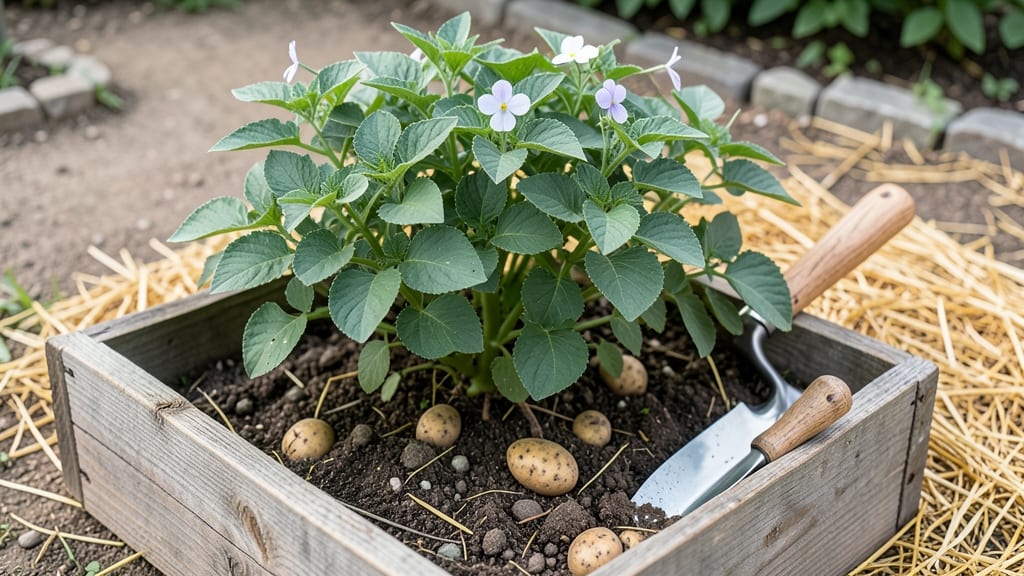
Michigan’s potato planting calendar by hardiness Zone (5-7)
Michigan’s USDA Zones 5-7 create a 3-4 week spread for planting potatoes, with Zone 5b gardeners needing to time it earlier than Zone 7. The key?
Planting 4-6 weeks before your last frost date—but only when soil temperatures hit 45°F. Cold soil stunts growth, and Michigan’s unpredictable springs demand flexibility.
For most of Michigan, the last frost date falls between mid-April (Zone 5) and late April (Zone 7). This means your planting window opens in early April for Zone 5 and stretches to mid-May for Zone 7. However, soil warms slower than air, so don’t rush—wait for consistency.
Here’s the zone-by-zone breakdown you need to avoid frost damage and maximize yields:
| Zone (5-7) | First Frost-Free Date (Avg.) | Recommended Planting Window | Soil Temperature Threshold (°F) | Best Varieties for Zone | Days to Harvest |
|---|---|---|---|---|---|
| Zone 5b (Northern MI) | April 15 | April 1 – April 15 | 45°F (7°C) | Red LaSoda, Kennebec | 90–110 days |
| Zone 6a (Central MI) | April 25 | April 10 – May 1 | 45°F (7°C) | Yukon Gold, Purple Viking | 80–100 days |
| Zone 6b (Southeast MI) | May 1 | April 15 – May 5 | 45°F (7°C) | Chieftain, Red Pontiac | 75–95 days |
| Zone 7 (Southwest MI) | May 10 | April 20 – May 10 | 45°F (7°C) | Kennebec, Russet Burbank | 100–120 days |
*Adjust dates 1–2 weeks later if your spring is colder than average.
Pro tip: Use black plastic mulch to warm cold soils faster—this can shave 1-2 weeks off your planting timeline in Zone 5. For Zone 7, focus on late varieties that tolerate warmer soils and longer growing seasons.
If you’re in Zone 5b, plant your earliest varieties first (like Red LaSoda) to beat potential late frosts. In Zone 7, you can even squeeze in a second planting of fast-maturing varieties in early June for a late-summer harvest.
Remember: Michigan’s frost risk extends beyond April. Even in May, late frosts can kill emerging shoots, so have row covers ready for Zone 5-6 plantings.
Now that you’ve got your zone-specific dates, let’s dive into the 5 critical factors that’ll determine whether your potatoes thrive or fail—soil temperature, chitting, depth, frost protection, and variety choice.
5 Critical factors that determine your planting success in Michigan
Michigan’s unpredictable spring weather turns potato planting into a high-stakes game of timing. While dates matter, these five critical factors often decide whether your crop thrives or fails. Let’s break down what separates successful harvests from wasted effort.
First, soil temperature isn’t just about frost risk—it’s about growth readiness. Planting when soil hovers around 40°F might feel safe, but roots need consistent warmth above 45°F to sprout properly. Cold soil slows germination, leaving your potatoes vulnerable to rot or frost heave when shoots finally emerge.
Chitting—pre-sprouting seed potatoes—gives you a 2-week head start on the season. Place certified seed potatoes in a bright, cool spot (50–60°F) 4–6 weeks before planting. Look for 1-inch sprouts before setting them in the ground. This trick is especially valuable in Michigan’s Zone 5, where early planting windows are tight.
🌱 Critical Factor #3: Seed Depth & Soil Type
Plant potatoes 4–6 inches deep, but adjust for your soil:
- Sandy soil: Deeper (6 inches) to retain moisture
- Clay soil: Shallow (4 inches) to prevent compaction
- Loamy soil: Mid-range (5 inches) for ideal drainage
Michigan’s late spring frosts (especially after May 15) can devastate young potato plants. If you’re planting in Zone 6 or 7, have row covers or frost cloth ready.
Even a 28°F night can kill tender shoots, setting back your harvest by weeks. Monitor forecasts and delay planting if frost is predicted within 7–10 days.
Finally, variety maturity must match your zone. Early varieties like ‘Red LaSoda’ (70 days) work for Zone 5, while late varieties like ‘Kennebec’ (110 days) thrive in Zone 7. Planting the wrong type risks harvests arriving during Michigan’s first fall frosts—turning firm tubers into mushy disappointment.
Master these five factors, and you’ll turn Michigan’s short growing season into your advantage. Start with soil warmth, add chitting for insurance, and always have frost protection on standby—your future harvest depends on it. 🌱