
Plants
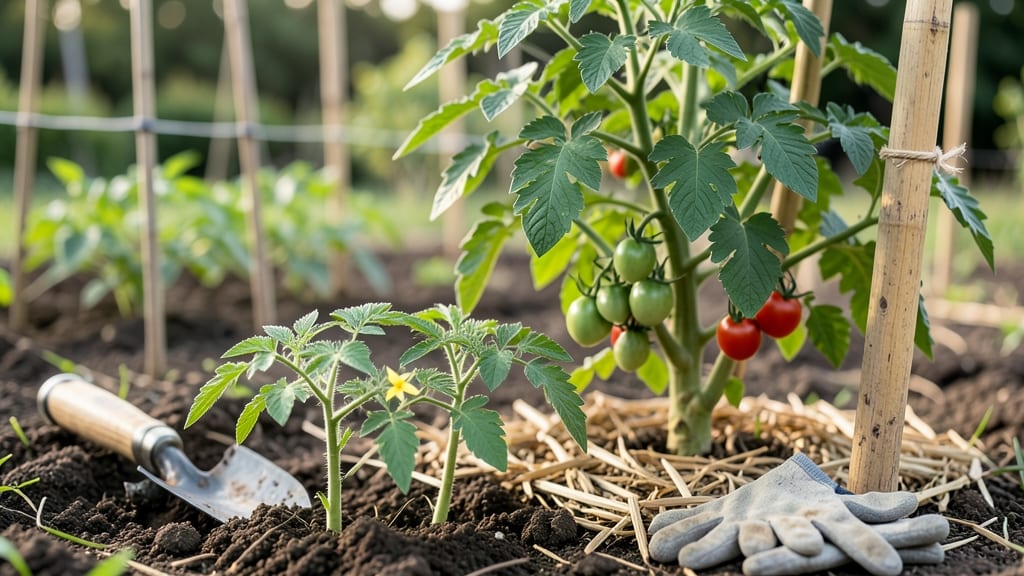
Texas heat zones explained: when to plant tomatoes by region
Texas’s vast geography means frost-free dates and heat intensity vary dramatically from the Panhandle to the Rio Grande Valley.
Understanding your USDA hardiness zone (7a-10b) and last frost date is critical—planting too early in North Texas risks frost damage, while waiting too long in South Texas means missing the optimal 60-day growing window before summer heat sets in.
For North Texas (Zones 7a-8a), like Dallas or Fort Worth, the last frost date typically falls between February 15 and March 15. This means your earliest planting window starts in mid-March, but I recommend waiting until early April for safer soil temperatures (above 60°F).
In Central Texas (Zones 8a-8b), like Austin or San Antonio, you can plant as early as January 15, but I always hold off until late February to avoid unpredictable cold snaps.
Down in the Rio Grande Valley (Zones 9a-10b), where winters are mild and summers are brutal, you can plant year-round, but the best window is from January to March. Here, the real challenge is heat tolerance—choosing heat-resistant varieties and providing afternoon shade becomes essential.
| Region | USDA Zone | Last Frost Date | Best Planting Window | Key Consideration |
|---|---|---|---|---|
| North Texas | 7a-8a | Feb 15 - Mar 15 | Mid-March to early April | Wait for soil >60°F; use black plastic mulch |
| Central Texas | 8a-8b | Feb 1 - Mar 1 | Late Feb to early March | Avoid early cold snaps; choose early varieties |
| South Texas (RGV) | 9a-10b | Jan 15 - Feb 15 | Jan to March | Heat tolerance critical; use shade cloth in summer |
In North Texas, I always recommend starting seeds indoors 6-8 weeks before the last frost (around January 1) to give seedlings a head start. Transplant them outdoors only after nighttime temperatures consistently stay above 50°F.
For Central Texas, you can direct-sow seeds outdoors in late February, but I prefer transplanting 3-4 week old seedlings for a faster harvest.
For South Texas gardeners, the real challenge isn’t frost—it’s summer heat. Plant heat-tolerant varieties like ‘Heatmaster’ or ‘Solar Fire’ in January or February, then provide drip irrigation and afternoon shade to protect plants from 100°F+ temperatures.
Some gardeners even try a second planting in late summer (August-September) for a fall harvest before the first frost.
No matter your region, soil temperature is more important than air temperature. Use a soil thermometer to confirm it’s above 60°F before planting. In cooler zones, black plastic mulch can warm the soil by 5-10°F, giving you an earlier start.
For container gardening, move pots to a sunny, sheltered spot and use self-watering systems to handle Texas’s unpredictable rain and heatwaves.
Remember, tomatoes need consistent warmth to thrive. If you plant too early and hit a cold snap, your plants may stunt or bolt.
Conversely, planting too late in North Texas means your 60-day varieties won’t mature before summer heat slows growth. Staggered plantings are your best bet for a continuous harvest from June to October.
For North Texas, aim for early varieties (like ‘Celebrity’ or ‘Early Girl’) planted in March, followed by mid-season types (like ‘Better Boy’) in April. In South Texas, focus on heat-resistant varieties and shade strategies to keep plants productive through the long, hot summer.
With the right timing and varieties, you’ll be harvesting tomatoes for months—no grocery store can beat that!
🌱
Avoid these 5 common mistakes when planting tomatoes in Texas
Planting tomatoes in Texas isn’t just about picking the right variety—it’s also about avoiding costly mistakes that can ruin your harvest. I’ve seen firsthand how one wrong move can turn a thriving tomato plant into a sad, wilted mess.
Let’s tackle the top 5 mistakes Texas gardeners make and how to sidestep them.
First, planting too early is a classic blunder. Even in South Texas, a late frost can sneak in and kill young seedlings. Always wait until the average last frost date has passed—usually mid-March for North Texas and February for Central/South Texas.
Use a frost watch from your local agricultural extension office to stay ahead.
Even in Zone 9-10, a 30°F night can damage young plants. Use row covers or black plastic mulch to protect seedlings until soil warms to 60°F+.
Next, ignoring soil temperature is another silent killer. Tomatoes need warm soil—at least 60°F—to thrive. If you plant in cool soil, roots struggle to absorb nutrients, and growth stalls.
Use a soil thermometer to check before planting. In North Texas, this might mean waiting until late April for cooler microclimates.
Skipping mulch is a big mistake in Texas’s intense heat and drought conditions. Mulch—like straw or wood chips—keeps soil cool and moist, preventing splashing diseases and root stress.
Without it, your plants will wilt faster and produce fewer tomatoes. Apply a 3-inch layer around plants after transplanting.
Choosing the wrong tomato variety for your heat zone can also backfire. Heat-sensitive varieties like Beefsteak struggle in 100°F+ temps, while heat-tolerant types like ‘Heatmaster’ or ‘Solar Fire’ thrive. Always pick varieties suited to your region—check your USDA Zone and local nursery recommendations.
Finally, overwatering or underwatering can spell disaster. Tomatoes need consistent moisture, but soggy soil causes root rot, while dry spells lead to blossom drop. Water deeply 2-3 times per week (daily in extreme heat) and always in the early morning to avoid fungal diseases.
A drip irrigation system keeps roots happy without wetting leaves.
By avoiding these 5 common mistakes, your Texas tomato plants will thrive, produce bountiful harvests, and reward you with juicy, homegrown tomatoes all season long. 🌱