
Vegetables
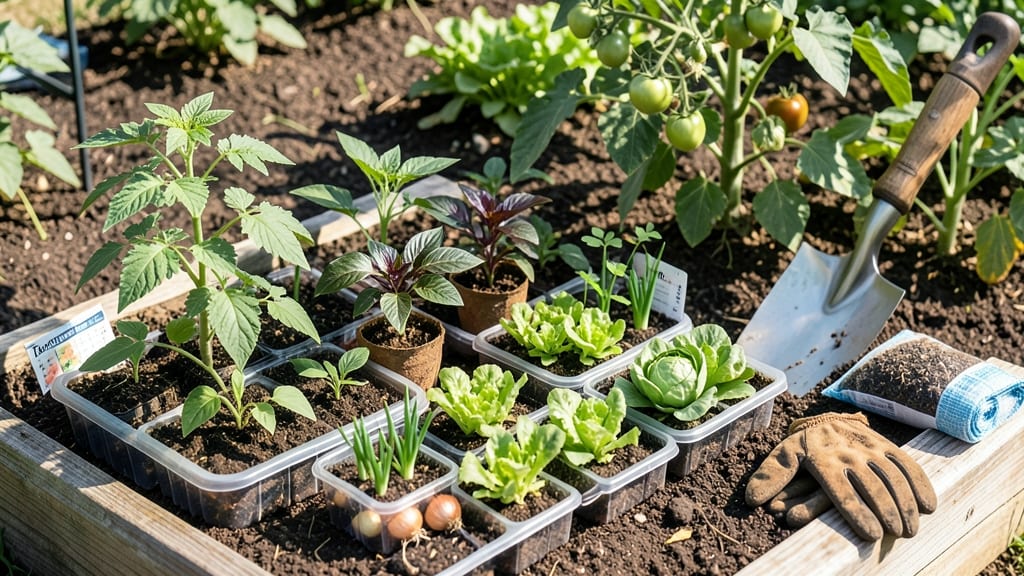
Timing your vegetable planting in Oklahoma can mean the difference between a thriving garden and a failed harvest—especially in Zone 7a, where unpredictable frosts and scorching summers demand precision.
Whether you're sowing cool-season greens or heat-loving tomatoes, getting the right deadlines is the key to avoiding wasted effort and maximizing your yield. I’ve researched Oklahoma State University’s recommendations to break down exactly when to plant each type of vegetable, so you can skip the guesswork and start strong.
Most gardeners in Oklahoma’s Zone 7a know the basics: wait until after the last frost for warm-season crops, but cool-season vegetables need an earlier start. What you might not realize is how much variation exists between varieties—like planting lettuce in early spring versus late summer for a fall harvest.
This guide cuts through the confusion with clear, actionable timelines tailored to Oklahoma’s climate, so you can plan with confidence.
Let’s start with the most critical deadlines for your garden. From frost-sensitive tomatoes to hardy kale, I’ll walk you through the ideal planting windows, soil temperature tips, and even how to adjust for Oklahoma’s notorious late-spring frosts.
By the end, you’ll know exactly when to set those seeds—and when to hold off until conditions are perfect.
Ready to transform your garden’s potential? Whether you’re a first-time planter or a seasoned gardener, these insights will help you grow more, waste less, and enjoy fresher produce straight from your backyard. Let’s get those vegetables in the ground at the perfect time.
Oklahoma Zone 7a planting deadlines by vegetable type
Oklahoma’s Zone 7a climate means your planting window is short but sweet—typically spanning from mid-March to early October. The key is knowing which vegetables thrive in cool spring temperatures versus those that need warm summer heat.
For example, lettuce and peas can handle light frosts, while tomatoes and peppers will bolt if planted too early. Let’s break down the exact deadlines for each type to maximize your harvest.
First, mark your calendar for Oklahoma’s average last frost date, which is around April 15 in most areas. However, late frosts can linger until May 1, so always have row covers ready.
Warm-season crops like squash and cucumbers should wait until soil temperatures hit 60°F or above, usually by mid-April to early May.
Cool-season crops, on the other hand, can go in as early as February to March for a spring harvest or late August to September for a fall crop.
| Vegetable Type | Planting Window | Soil Temp Requirement | Notes |
|---|---|---|---|
| Cool-Season Crops (Lettuce, Spinach, Peas, Kale) | Feb–March (Spring) / Aug–Sept (Fall) | 40–60°F | Tolerates light frost; harvest before bolting in heat. |
| Warm-Season Crops (Tomatoes, Peppers, Cucumbers, Squash) | Mid-April–May (After last frost) | 60–70°F | Start indoors 6–8 weeks before last frost for transplants. |
| Year-Round (Green Onions, Radishes, Carrots) | Feb–Nov (Succession plant) | 45–75°F | Fast-growing; ideal for continuous harvests. |
| Fall Crops (Broccoli, Cabbage, Brussels Sprouts) | July–August (60 days before first frost) | 50–65°F | Plant late summer for harvest before winter chill. |
For cool-season vegetables, like spinach and peas, I recommend starting seeds indoors by mid-February or direct-sowing in late February to early March. These crops can handle light frosts down to 20°F, but avoid planting too early—soil should be workable, not frozen.
If you miss the spring window, don’t worry! You can replant lettuce and kale in late August for a fall harvest before the first frost hits around November 15.
Warm-season crops like tomatoes and peppers are trickier in Oklahoma’s unpredictable spring. To beat the risk of late frosts, I start transplants indoors 6–8 weeks before the last frost (around mid-February to early March) and harden them off before transplanting after April 15.
If you’re direct-sowing, wait until soil temperatures are consistently above 60°F, usually by mid-May for northern Oklahoma or early April in southern regions.
One of my favorite Oklahoma gardening hacks is succession planting. For fast-growing crops like radishes and green onions, I sow seeds every 2–3 weeks from February through September.
This ensures a steady harvest and minimizes wasted space. Even slow-growing crops like carrots can be planted in February and again in July for two harvests in one season.
Don’t overlook fall planting, which is often overlooked but just as productive. Crops like broccoli and cabbage thrive when planted in late July or August for a harvest in October and November.
These plants actually sweeten in cooler weather, making them perfect for Oklahoma’s crisp fall days. Just be sure to mulch heavily to protect roots from early frosts.
If you’re new to Oklahoma gardening, I’d recommend starting with heat-tolerant varieties of warm-season crops. For example, ‘Heatmaster’ tomatoes and ‘Jalapeño M’ peppers perform better in our 90°F+ summers than standard varieties.
Similarly, ‘Black Seeded Simpson’ lettuce holds up better in late summer than butterhead types. Always check seed packets for days to maturity and plan backward from your expected frost dates.
Pro tip: Use a soil thermometer to track temperatures—this is the most reliable way to know when to plant. Warm-season crops need soil temps of at least 60°F for 10 consecutive days, while cool-season crops prefer 40–60°F.
In Oklahoma, soil warms up faster in south-facing beds, so position your warm-season crops there first.
Finally, keep an eye on your local Oklahoma State University Extension updates for real-time frost alerts and planting recommendations. Their
How to adjust planting times for Oklahoma’s unpredictable weather
Oklahoma’s Zone 7a climate brings late spring frosts and sweltering summers, forcing gardeners to adapt planting schedules. Even experienced growers face unpredictable weather shifts, so flexibility is key. I’ve learned to use season extenders and heat-tolerant varieties to protect my crops from both extremes.
One of my biggest lessons? Don’t rely on calendar dates alone. Instead, track soil temperatures and frost warnings from local sources like the Oklahoma Mesonet. For example, I once planted tomatoes in mid-April only to lose them to a late frost—a mistake I won’t repeat.
Now, I wait until soil reaches 60°F before planting warm-season crops.
Here’s how I adjust planting times to beat Oklahoma’s weather quirks:
- 🌡️ Use soil thermometers—warm-season crops like peppers and cucumbers need 65-75°F soil to thrive. Plant too soon, and roots won’t warm up fast enough.
- 🌱 Start cool-season crops indoors (like broccoli or spinach) 4-6 weeks before the last frost date (typically March 15-April 1 in Oklahoma). This gives seedlings a head start.
- 🛡️ Deploy row covers or cold frames to protect early plantings from late frosts. I’ve extended my lettuce season by 3 weeks using lightweight fabric.
- ☀️ Choose heat-tolerant varieties for summer. Black-seeded Simpson lettuce or Malabar spinach handle Oklahoma’s 90°F+ days better than standard types.
- 📅 Plant succession crops every 2-3 weeks for continuous harvests. For example, sow bush beans in May, June, and July to avoid missing out on the harvest window.
For fall planting, I aim to get cool-season crops in the ground by mid-August. This gives them time to mature before the first frost (usually November 15-December 1). I’ve had great success with kale and carrots planted in September—they sweeten up after a light frost!
Don’t forget mulching to regulate soil temperature. A 2-3 inch layer of straw or wood chips keeps roots cool in summer and warm in spring. I also water deeply in the morning to reduce stress from Oklahoma’s dry winds and intense heat.
When in doubt, consult the Oklahoma State University Extension’s planting calendar. Their localized advice accounts for microclimates—like urban heat islands or rural cooler spots—that can shift planting windows by 1-2 weeks.
With these adjustments, you’ll turn Oklahoma’s unpredictable weather into an advantage for a longer, more productive harvest. 🌱