
Vegetables
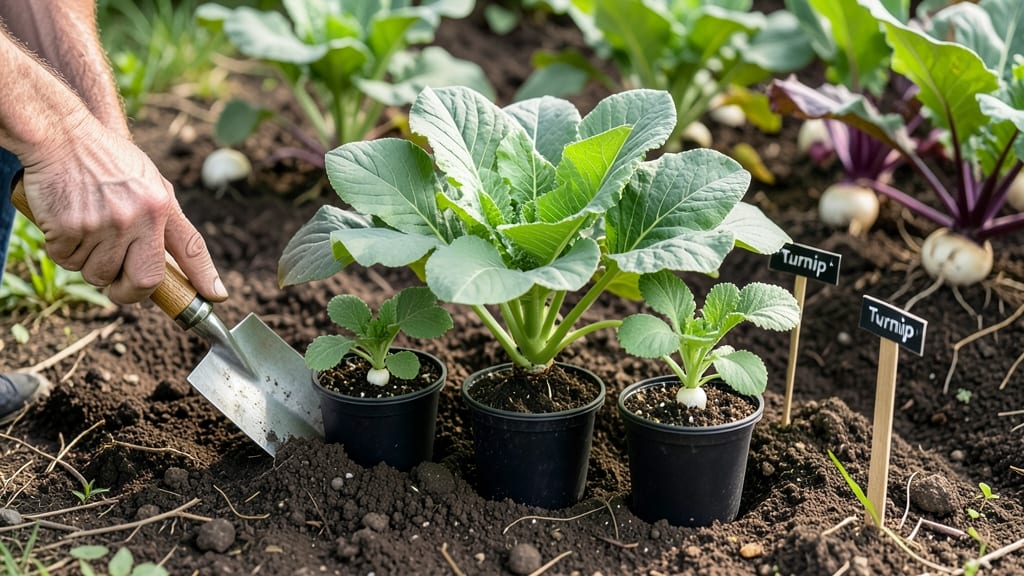
If you've ever wondered when to plant turnips in the fall for that perfect balance of sweetness and crispness, timing is the secret weapon in your gardening arsenal. 🥕 Fall turnips thrive when planted just right—too early, and they bolt; too late, and frost steals their flavor.
The magic window? 4-6 weeks before your first frost, when soil stays warm enough to encourage steady growth but nights grow cooler to sweeten those roots.
For gardeners in USDA Zone 6a, that typically means late August or early September—just enough time for turnips to mature before winter sets in. But don’t worry if you’re not in Zone 6a; regional adjustments are key.
Whether you’re in the cooler North or milder South, understanding your local frost dates and soil temperatures will help you nail that ideal planting window for turnips that taste like they were grown in a gourmet kitchen.
Here’s the game-changer: direct sowing is your best bet for fall turnips, but spacing and companion planting can make or break your harvest. Crowded plants? They’ll fight for nutrients. Pair them with herbs like dill or lettuce, and you’ll create a micro-ecosystem that boosts flavor and yield.
Plus, I’ll show you how to spot the perfect harvest time—when those roots are 1-2 inches wide and leaves start turning yellow, signaling peak sweetness.
Ready to grow turnips that taste like they came from a farmer’s market? Let’s break down the exact steps—from soil prep to frost protection—to ensure your fall turnips are the star of your winter meals. Trust me, once you master this timing, you’ll never buy store-bought turnips again.
Optimal fall turnip planting timeline by USDA Zone
Fall turnips thrive when planted at the right time—too early, and they bolt; too late, and they won’t mature before frost. The golden rule is to plant 4-6 weeks before your first frost date, but this varies dramatically by USDA hardiness zone.
For example, gardeners in Zone 3 (like Minnesota) should start seeds by late July, while those in Zone 10 (like Southern California) can plant until early November.
Your first frost date is the starting point for all calculations. Check your local USDA zone map or use a frost calculator to pinpoint the exact date. Most regions experience their first frost between mid-October and mid-November, but mountain areas or coastal zones may differ.
For instance, Denver (Zone 5) typically sees frost by October 15, while Miami (Zone 11) rarely experiences frost at all.
Soil temperature also plays a critical role. Turnip seeds germinate best in soil that’s 45-85°F (7-29°C). In cooler climates (Zones 3-5), aim for soil temps above 50°F (10°C) to ensure reliable germination.
Warmer zones (Zones 6-10) can handle slightly cooler starts, but avoid planting when nighttime temps dip below 40°F (4°C)—this stunts growth.
Here’s how to adjust your planting window based on your zone. The table below breaks down the ideal planting months, soil temperature targets, and expected harvest windows for each zone. Use this as your roadmap to avoid common timing mistakes that lead to bitter or underdeveloped turnips.
| USDA Zone | Planting Window | Soil Temp for Germination | First Frost Date | Harvest Window |
|---|---|---|---|---|
| Zones 3-4 | Late July - Early August | 50-70°F (10-21°C) | Mid-October | Late September - Early November |
| Zones 5-6 | Mid-August - Mid-September | 50-75°F (10-24°C) | Late October | Late September - Mid-November |
| Zones 7-8 | Late August - Early October | 55-80°F (13-27°C) | Early November | October - December |
| Zones 9-10 | September - Early November | 60-85°F (16-29°C) | Rare or none | October - January |
If you’re in a transition zone (like Zone 6a vs. 6b), err on the side of planting earlier rather than later. Cooler microclimates (e.g., mountain valleys) may need seeds sown 2-3 weeks ahead of the general guideline.
For example, a gardener in Zone 6b (like St. Louis) might start seeds by mid-August, while one in Zone 6a (like Chicago) should begin by late July to account for earlier frosts.
Pro tip: Use row covers or cold frames to extend your harvest window in colder zones. These tools can push your planting window 2-3 weeks later and protect tender greens from light frosts.
In Zones 3-5, this means you might still get a harvest even if you plant in early September—just be prepared to cover seedlings on chilly nights.
For container gardeners, timing is even more critical since pots cool faster. Start seeds 1-2 weeks earlier than in-ground planting dates and use black plastic mulch to warm the soil.
This trick works especially well in Zones 4-6, where soil temps can lag behind air temps in early fall.
Remember, turnips are fast growers—most varieties mature in 50-70 days. If you’re aiming for a winter harvest, prioritize quick-maturing types (like ‘Tokyo Cross’) in Zones 7-10, where frosts are rare.
In contrast, slower varieties (like ‘Purple Top White Globe’) need the full 60-70 days and are better suited for Zones 3-6 with earlier planting.
🥕
Optimal fall turnip planting timeline by USDA Zone
Timing your turnip planting is crucial for a sweet, crisp harvest before winter sets in. Fall turnips thrive when planted 4-6 weeks before your first frost date, giving them enough time to mature before cold temperatures arrive.
In USDA Zones 3-5, this typically means starting in late July to early August, while Zones 6-10 can extend planting until mid-October.
For example, if your first frost is October 15, aim to plant turnips by September 1-15 to ensure they reach harvest size before the ground freezes. Soil temperatures should be between 45°F and 85°F for optimal germination and growth.
Cooler fall soils actually enhance turnip sweetness, so don't rush planting too early!
Northern gardeners in Zones 3-5 should prioritize fast-maturing varieties like 'Purple Top White Globe' (50-60 days) to beat early frosts. Meanwhile, southern zones (8-10) can handle slower growers like 'Tokyo Cross' (60-70 days) planted as late as mid-October.
Always check your local frost dates—they can vary by 1-2 weeks even within the same zone!
For container gardeners, succession planting every 2 weeks after your initial sowing creates a staggered harvest. This works especially well in small spaces or raised beds, where you can squeeze in multiple plantings.
Just remember: turnips need space—aim for 2-4 inches apart in rows 12-18 inches apart to prevent overcrowding.
One common misconception is that you can plant turnips anytime in fall. But planting too early (before late July) risks bolting—when turnips flower prematurely—while planting too late (after first frost) means stunted growth. Test your soil first—turnips prefer pH 6.0-7.0 and loamy soil with good drainage.
Amend heavy clay with compost to improve aeration.