
Plants
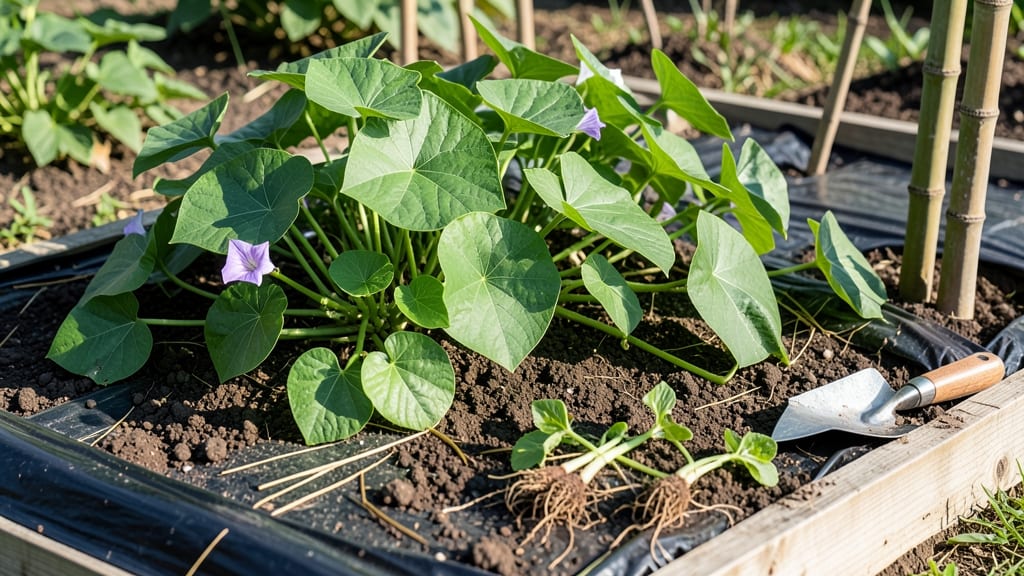
If you're wondering "when do you plant sweet potatoes in NC", timing is the single most important factor for a successful harvest.
Unlike other crops, sweet potatoes 🍠 need warm soil and consistent heat to thrive—so planting too early can stall growth, while waiting too long might cut your harvest short.
North Carolina’s diverse climate means your planting window varies by region. In the Coastal Plain, you can start as early as mid-April, while gardeners in the Mountains (Zone 7a) should wait until late May or early June.
The key is waiting until soil temperatures hit at least 65°F and all frost risk has passed.
Most NC gardeners plant slips (young plants) rather than seeds, which gives you a head start on the 90-140 day growing season. Whether you're in Raleigh, Asheville, or Wilmington, knowing your last frost date and soil conditions will help you avoid common mistakes that reduce yields.
In this guide, I’ll break down the exact planting windows for your area, soil temperature rules, and pro tips to extend your harvest—so you can enjoy homegrown sweet potatoes from summer through fall.
NC sweet potato planting timeline: frost dates & soil temperature rules
North Carolina’s diverse climate—from the humid Coastal Plain to the cooler Mountain regions—means sweet potato planting windows vary dramatically. The key to success? Planting after your last frost date when soil temperatures hit at least 60°F (15°C).
In most of NC, this lands between mid-April and early June, but your exact timing depends on your USDA zone and microclimate.
Sweet potatoes are heat-loving tubers, and they’ll bolt or rot if planted too early. Unlike cool-season crops, they cannot tolerate frost, even a light one.
That’s why I always check my local frost-free date (usually March 15 in the Piedmont and April 1 in the Mountains) and wait 2-3 weeks after before planting.
Here’s the golden rule: Aim for soil temps of 65°F+ and air temps consistently above 70°F. In NC’s Coastal Plain (Zones 8a-8b), you can plant as early as late April. But in the Mountains (Zones 6a-7a), hold off until mid-to-late June to avoid frost risk.
| Region | USDA Zone | Last Frost Date | Ideal Planting Window | Soil Temp Threshold |
|---|---|---|---|---|
| Coastal Plain | 8a-8b | March 15 | Late April - Early May | 60°F+ (warmer soil faster) |
| Piedmont | 7a-7b | March 22 | Mid-May - Early June | 65°F+ (wait for warmth) |
| Mountains | 6a-7a | April 15 | Late June - Early July | 70°F+ (longer growing season) |
🌡️ Pro Tip: Use a soil thermometer—sweet potatoes hate cold soil!
If you’re growing from slips (young plants), they’re more forgiving than seeds and can handle slightly cooler soil (60°F+). But if you’re direct-sowing seeds, wait until soil is at least 70°F—they germinate poorly in cool conditions.
I’ve seen gardeners in Zone 7b rush planting and end up with rotten slips because the soil was too damp and cold.
For extended harvests, I recommend planting in two batches: one in early June and another in mid-July. This staggering ensures a continuous supply of sweet potatoes from late August through October, just before the first frost.
Just be sure to harvest before hard frosts, which can damage tubers even if vines survive.
One critical NC-specific factor is humidity. In the Coastal Plain, high humidity can lead to fungal diseases if you plant too early. To combat this, I always raise beds slightly and use black plastic mulch to warm the soil faster.
In drier Piedmont regions, mulch also helps retain moisture during NC’s summer heatwaves.
Don’t forget: Sweet potatoes take 90-140 days to mature. If you plant in late June, you’ll likely harvest in late September or October, just before frost. But if you’re in the Mountains, a July planting might not mature in time—so adjust accordingly.
I’ve had to dig up and store tubers early in cooler years to avoid frost damage.
For maximum yields, I always test my soil pH (6.0-6.5 is ideal) and amend with compost before planting. Sweet potatoes are heavy feeders, and NC’s clay-heavy soils in some areas can compact easily.
Loosen the soil 12-18 inches deep and mix in organic matter to give those tubers room to grow.
Finally, keep an eye on your local weather forecasts. NC’s unpredictable spring weather can bring late frosts even after your average last frost date. If frost is forecasted, cover slips with row fabric or move pots indoors temporarily. Better safe than sorry with these tender tubers!
How to extend your sweet potato growing season in NC (pro tips)
North Carolina’s unpredictable weather—from late frosts to early heatwaves—can throw off your sweet potato harvest. But with the right strategies, you can extend your growing season by weeks, even months.
The key is warming the soil faster and protecting young plants from temperature swings. Here’s how I do it in my Zone 7b garden.
First, use black plastic mulch to raise soil temperatures by 10-15°F faster than bare soil. Lay it down 2-3 weeks before planting—this gives your slips a head start in cooler spring months. For extra insurance, pair it with row covers during unexpected cold snaps after planting. Just
🌱 Numbered Highlights: Season-Extending Pro Tips
- 1. Mulch with black plastic 2-3 weeks pre-planting to warm soil to 65°F+ faster.
- 2. Use floating row covers for 1-2 weeks post-planting if nights dip below 50°F.
- 3. Try succession planting in late July for a fall harvest before first frost.
- 4. Plant heat-tolerant varieties like ‘Beauregard’ (maturity: 90-100 days).
- 5. Water deeply at dusk during heatwaves to cool roots and prevent sunscald.
For a fall harvest, try succession planting in late July. Choose early-maturing varieties (like ‘Georgia Jet’) and plant slips when soil temps are still warm—aim for harvests just before the first frost (typically mid-November in NC). I’ve had success with this method in my Piedmont garden, where summer heat can stress plants.
Don’t overlook microclimates—your backyard might have warmer pockets. South-facing slopes or areas near buildings stay 5-10°F warmer than open fields. Use these spots for earlier plantings or late-season slips. Just monitor soil temps with a soil thermometer to avoid false starts.
If you’re in Mountain NC (Zone 6-7), focus on soil warming and short-season varieties. Try ‘Centennial’ (110 days) or ‘Covington’ (105 days) for reliable harvests.
In Coastal NC (Zone 8a), you’ve got more flexibility—plant as early as April with black plastic and watch for hurricane season disruptions in late summer.
Pro tip: Harvest a few tubers early to check maturity. If they’re 3-4 inches wide with tough skin, your remaining plants are ready. This lets you adjust watering or protect vines before the final harvest. Timing is everything, but with these tricks, you’ll beat NC’s weather every time. 🌱