
Plants
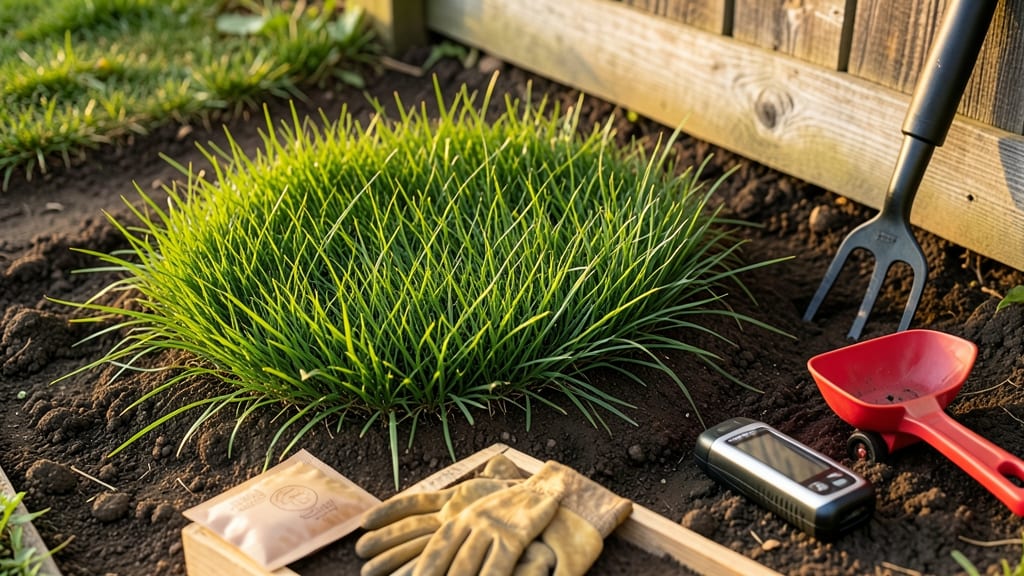
Timing your ryegrass planting in Texas isn’t just about throwing seeds into the ground—it’s about working with the state’s unpredictable climate to ensure your lawn thrives.
Whether you’re in North Texas, where frosts can sneak in early, or South Texas, where summer heat lingers, getting the window right makes all the difference.
Plant too soon, and a surprise freeze could wipe out your investment; too late, and your grass may struggle to establish before the next heatwave.
For most Texas gardeners, the ideal planting window for ryegrass 🌱 falls between late summer and early fall, specifically from August to October. This timing gives the seeds time to germinate before the first frost hits, ensuring strong root development before winter dormancy.
But don’t overlook the late winter option—planting in February can also yield great results, especially in warmer regions like the Gulf Coast.
Why does this matter? Because ryegrass is a cool-season grass, meaning it thrives in temperatures between 35°F and 50°F—perfect for Texas winters but deadly if planted too early or too late.
I’ll break down the best months for your specific region, so you can avoid common mistakes and set your lawn up for success. Let’s dive into the details so you can plant with confidence.
From soil prep to watering schedules, every step counts when it comes to growing ryegrass in Texas. Whether you’re a first-time planter or a seasoned gardener, these insights will help you navigate the challenges and get the lush, green coverage you’re after.
Ready to learn how to time it just right?
Best planting months for rye grass in Texas by region
Texas’ diverse climate means rye grass planting times vary dramatically from North Texas to the Gulf Coast. In Zone 8a (northern regions like Amarillo), aim for late August to early September to avoid early frosts.
Meanwhile, South Texas (Zone 10b) gardeners can plant as late as October—but watch for hurricane delays!
Rye grass thrives when soil temps hit 35–50°F—ideal for fall planting before winter dormancy. Spring planting (February) is riskier due to summer heat stress. Let’s break down the optimal windows by region to maximize germination and growth.
🌱
| Region | USDA Zone | First Frost Date | Ideal Planting Window | Backup Window |
|---|---|---|---|---|
| North Texas | 8a | Nov 15 | Aug 15–Sep 15 | Feb 1–Mar 15 |
| Central Texas | 8b | Dec 1 | Aug 1–Sep 30 | Feb 15–Mar 10 |
| South Texas | 9a-9b | Jan 1 | Sep 1–Oct 15 | Feb 1–Mar 1 |
| Gulf Coast | 10a-10b | Dec 15 | Sep 15–Nov 1 | Feb 15–Mar 15 |
In North Texas, where frosts hit as early as November 15, plant rye grass by mid-September to ensure roots establish before winter. Central Texas (Zone 8b) offers a slightly longer window—August 1 to September 30—but monitor soil moisture during Texas’ unpredictable October rains.
For South Texas and the Gulf Coast, extend planting to mid-October, but prioritize drought-resistant varieties if rainfall is scarce. Pro tip: Use a soil thermometer to confirm temps are below 80°F before planting—heat stress is the #1 killer of young rye grass seedlings.
Spring planting (February) is possible but risky. Seedlings struggle with summer heat, and Texas’ erratic weather (think sudden 100°F days) can scorch new growth. If you must plant in spring, choose shade-tolerant varieties and keep soil consistently moist.
🌡️
Always check your local Cooperative Extension Service for updated frost dates—Texas’ climate shifts yearly. For example, 2023’s early December freeze caught many gardeners off guard. Plan ahead by planting 4–6 weeks before the average first frost to give rye grass time to root deeply.
Need a quick reference? Bookmark this table and adjust based on your Texas region. Next, we’ll cover how to adjust for Texas’ unpredictable weather, including soil prep and seed depth tricks to beat the heat or cold snaps.
Best planting months for rye grass in Texas by region
Texas’ diverse climate zones mean your rye grass planting window depends heavily on location. North Texas faces earlier frosts, while South Texas enjoys milder winters—understanding these differences ensures your grass thrives. Aim for 4-6 weeks before the first frost to give seeds time to establish roots before cold sets in.
For North Texas (USDA Zones 7b-8a), plant between mid-August and early October. This region’s first frost often hits around November 15, so timing is critical.
In Central Texas (Zones 8a-8b), extend your window slightly to late August through October, with frost typically arriving by December 15.
South Texas (Zones 8b-9a) gardeners have more flexibility, planting from mid-September to November. The Gulf Coast’s warmer winters delay frost until January 1 or later, allowing for later starts. Always check your local average last frost date—your best bet is to plant when soil temps are 50-65°F.
| Region | Planting Window | First Frost | Soil Temp Goal |
|---|---|---|---|
| North Texas | Mid-August - Early October | Nov 15 | 50-65°F |
| Central Texas | Late August - October | Dec 15 | 50-65°F |
| South Texas | Mid-Sept - November | Jan 1 | 55-70°F |
| Gulf Coast | Sept - Dec | Jan 15 | 60-75°F |
Spring planting is also possible in February for a summer cover crop, but avoid planting after March 1—Texas summers are too hot for successful germination. If you miss the fall window, consider overseeding existing lawns in early spring before warm-season grasses wake up.
Pro tip: Use a soil thermometer to confirm temps are ideal before planting. Rye grass seeds need consistent moisture and well-draining soil to germinate properly. If your soil feels dry or compacted, amend it with compost or sand before seeding.
Remember, Texas’ unpredictable weather can shift frost dates by weeks. Always monitor local forecasts and adjust your planting schedule accordingly. A little flexibility goes a long way in ensuring your rye grass thrives despite the Lone Star State’s challenges. 🌱