
Plants
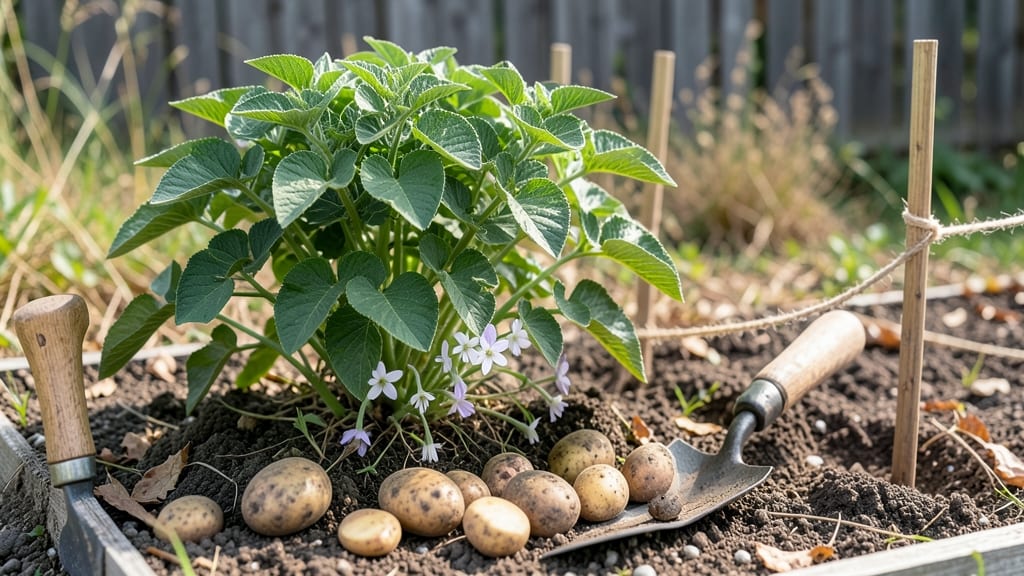
When do you plant potatoes in Virginia? Timing your potato planting in Virginia isn’t just about the calendar—it’s about outsmarting the state’s unpredictable frost patterns and microclimates. Whether you’re in Zone 6a’s cooler highlands or Zone 7b’s milder Piedmont, planting too early risks frost damage, while waiting too long cuts harvests short. The key? Start when soil hits 45–50°F—not air temperature—and adjust for your region’s last-frost averages.
Most Virginia gardeners plant 🥔 potatoes in early spring, but the exact window varies wildly. Coastal areas like Norfolk can start as early as February, while mountain zones near Roanoke should wait until April.
Fall planting? It’s possible with cold-hardy varieties, but only if you’re in Zone 7b and act before September’s first frost. The stakes are high—get it wrong, and you’ll sacrifice yield or quality.
Here’s what you’ll discover: the precise planting dates for your Virginia zone, how to prep soil for faster warming, and which local varieties (like ‘Yukon Gold’ or ‘Kennebec’) thrive in your microclimate. Plus, I’ll share my 3-step frost-proofing trick to extend your season by 2–3 weeks—no guesswork involved.
Ready to turn your potato patch from a gamble into a guaranteed harvest? Let’s dive into the science-backed schedule that’s worked for Virginia growers for decades—and why seed potatoes (not grocery-store spuds) are your secret weapon.
Virginia’s potato planting calendar by Zone 6a-7b: exact dates to avoid frost
Potatoes thrive in Virginia’s 60–90-day growing season, but timing is everything. Plant too early, and frost will kill tender sprouts. Too late, and your harvest shrinks before summer’s end. The key? Align planting with soil temperatures (45–50°F) and your local last-frost date.
In Zone 6a (e.g., Roanoke), aim for late March to mid-April, while Zone 7b (e.g., Richmond) gardeners can start as early as mid-February.
Virginia’s frost-free dates vary wildly—Tidewater regions (like Norfolk) often see their last frost by March 15, while the Blue Ridge Mountains can linger until April 15. Use these microclimate rules to pick your perfect window.
For early varieties (e.g., ‘Red Norland’), plant 2–3 weeks before your last frost. Late varieties (e.g., ‘Kennebec’) need 60+ days of warmth, so wait until mid-April.
Pro tip: Use a soil thermometer to confirm readiness—potatoes won’t sprout until soil hits 45°F. In cooler zones like Zone 6a, opt for cold-hardy varieties like ‘Yukon Gold’ or ‘Kennebec’, which tolerate light frosts better than delicate types.
For Zone 7b’s warmer climate, early varieties like ‘Sweetheart’ mature faster, giving you two harvests per season if you plant again in late July.
Fall planting is tricky in Virginia but possible in Zone 7b. Aim for late July to early August, using fast-maturing varieties (e.g., ‘Red Pontiac’) to harvest before first frost.
In Zone 6a, skip fall planting—your season is too short. Always plant seed potatoes (not grocery-store spuds) for better disease resistance and higher yields.
Don’t forget succession planting! In Zone 7a–7b, stagger plantings every 2–3 weeks from March to May for a continuous harvest. Use black plastic mulch to warm soil faster in cooler zones, or straw mulch to retain moisture in hotter areas.
Adjust your schedule based on local weather patterns—a late frost? Wait until May 1 for safety.
For container growing, plant seed potatoes in 5-gallon pots by late March in all zones. Containers warm up faster than soil, giving you a 2–3 week head start.
Choose bush varieties like ‘Red LaSoda’ to save space. In Zone 6a, add a row cover until frost danger passes to protect young plants.
Track your local frost dates for 3 years to refine your schedule. Apps like Old Farmer’s Almanac or PlantMap provide hyper-local data.
In my Zone 7a garden, I’ve found planting ‘German Butterball’ by March 15 guarantees a July harvest, while ‘Kennebec’ planted in mid-April ripens by early September. Experiment with two varieties each season for variety!
Remember: Potatoes need 6–8 hours of sun daily. If your garden is shady, choose early-maturing varieties (e.g., ‘New Potato’) or grow them in containers near a sunny wall. In Zone 6a, extend the season with row covers until June 1
How to adjust planting dates for Virginia’s microclimates: coastal vs. mountain rules
Virginia’s diverse geography means your potato planting dates should shift dramatically depending on whether you’re near the coastal plains or the mountain foothills. The Tidewater region (Zone 7b-8a) enjoys earlier last-frost dates—often by 2-3 weeks—compared to the Piedmont or Appalachian zones (Zone 6a-7a).
For example, Norfolk’s last frost averages March 15, while Roanoke’s lingers until April 10. This difference can mean the gap between a thriving harvest and a failed crop.
Cold-hardy varieties like ‘Yukon Gold’ or ‘Kennebec’ thrive in cooler mountain zones, while heat-sensitive types such as ‘Red LaSoda’ or ‘Sweet Potato’ (yes, they’re different!) need the warmer Tidewater soil. If you’re in Zone 6a, aim for late April planting—but if you’re in Zone 7b near Virginia Beach, you can start as early as mid-March. The key is matching your soil temperature (ideal: 45–50°F) to your variety’s tolerance.
| Region | Zone | Last Frost Date | Ideal Planting Window | Best Varieties |
|---|---|---|---|---|
| Tidewater | 7b-8a | March 15–April 1 | Mid-March–Early April | Red LaSoda, Sweet Potato |
| Piedmont | 6b-7a | April 1–April 15 | Late March–Mid-April | Yukon Gold, Kennebec |
| Appalachian Foothills | 6a | April 10–April 25 | Late April–Early May | Russet Burbank, Fingerling |
Row covers are your secret weapon for extending the season in cooler zones. A simple floating row cover can push your planting window back by 2-3 weeks in Zone 6a, while black plastic mulch warms soil faster in Tidewater gardens.
For example, if you’re in Blacksburg (Zone 6a), use row covers to plant early potatoes in late March—just remove them once sprouts emerge to prevent overheating.
Fall planting is another option for Virginia gardeners, but it’s riskier. Plant seed potatoes in late August for a harvest before the first frost (typically November 15–December 1). Stick to early-maturing varieties like ‘Red Pontiac’ and use straw mulch to insulate tubers. Just remember: fall potatoes need 60–70 days to mature, so time it right!
Don’t overlook soil prep—Virginia’s clay-heavy soils drain poorly, leading to rotten tubers. Amend beds with compost or sand before planting, and avoid working wet soil. In coastal areas, where humidity is higher, prioritize disease-resistant varieties like ‘Adirondack Red’ to fight blight.
Whether you’re in Norfolk or New River Valley, tailoring your approach to your microclimate is the key to a bumper crop.
🌱