
Plants
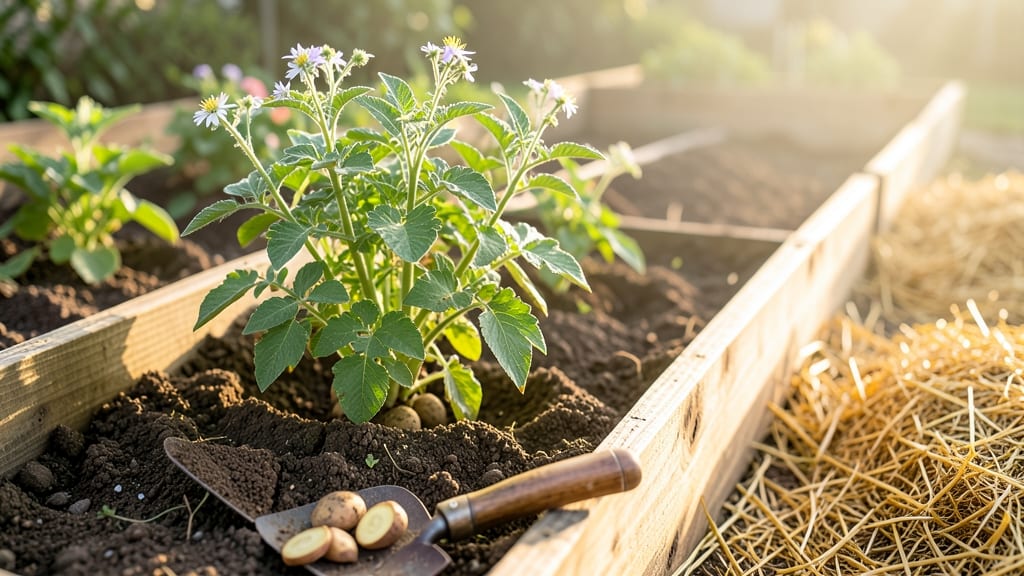
Kentucky potato planting calendar: exact dates by hardiness Zone
Kentucky spans USDA Zones 5-7, creating distinct planting windows for potatoes. In Zone 5 (eastern mountains), aim for late March to early April, while Zones 6-7 (central/western KY) can plant as early as mid-February to mid-March.
The key is waiting until soil reaches 45°F (7°C)—cold soil delays sprouting and invites rot.
Use Kentucky’s average last frost dates as your guide: Lexington (Zone 6b) typically sees frost by April 15, while Paducah (Zone 7a) warms up by March 20. Plant 4-6 weeks before these dates for early varieties or 2 weeks before for late-season types.
For early harvests, choose 60-90 day varieties like ‘Yukon Gold’ and plant in February. Mid-season (90-110 days) options like ‘Kennebec’ thrive with March-April planting. Late varieties (110+ days) need April starts to mature before Kentucky’s first frost (mid-October).
| Zone | Planting Window | Soil Temp | Frost Risk | Best Varieties |
|---|---|---|---|---|
| Zone 5 (Eastern KY) | Late March–Early April | 45°F (7°C) | High (late frost) | ‘Red Norland’, ‘Katahdin’ |
| Zone 6 (Central KY) | Mid-February–Mid-April | 45°F (7°C) | Moderate | ‘Yukon Gold’, ‘Kennebec’ |
| Zone 7 (Western KY) | Late February–Early April | 45°F (7°C) | Low (earlier frost) | ‘Russet Burbank’, ‘Sweet Potato’ |
Test soil readiness with a soil thermometer—potatoes need consistent warmth to sprout. In Zone 5, wait until April 1 minimum, even if frost-free days stretch back to March. For Zone 7, you can plant as early as February 20 if soil warms reliably.
Use black plastic mulch in cooler zones to warm soil faster. Remove it 2 weeks before harvest to avoid green (toxic) potato skins. In Zone 6-7, consider succession planting: add a second batch 4-6 weeks after the first for continuous harvests through summer.
For container growing, plant in late March (Zones 6-7) or early April (Zone 5). Use 10-inch-deep pots with well-draining mix—containers warm faster than ground soil. Place pots in full sun and water daily until sprouts appear.
Track Kentucky’s microclimates: valleys warm earlier than ridges, and southern exposures get 2-3 weeks head start. Adjust planting dates by 1-2 weeks based on your yard’s specific conditions.
For example, Frankfort (Zone 6b) may align with Lexington’s schedule, but Mountain City (Zone 5) should delay by 10-14 days.
Mark your calendar for April 15 as the final deadline for Zone 5 and April 1 for Zones 6-7. Late plantings risk blight from Kentucky’s humid summers. If you miss these dates, opt for fast-maturing varieties or fall planting (see next section for details).
Pro tip: Chit (sprout) your seed potatoes 4-6 weeks before planting by placing them in a bright, cool (50°F/10°C) spot. This jumpstarts growth and ensures uniform emergence after planting.
How to adjust planting time for Kentucky’s microclimates and soil types
Kentucky’s diverse geography—from the humid Appalachian foothills to the warmer Bluegrass Region—means one-size-fits-all planting advice won’t work. Your local microclimate and soil type can shift the ideal potato planting window by 2-4 weeks. Let’s break down how to adapt timing for your specific conditions.
First, check your USDA hardiness zone (Kentucky spans zones 5b-7a). Mountain areas like Eastern Kentucky (zone 5b-6a) stay cooler longer, while Western Kentucky (zone 7a) warms up faster. If you’re in a cooler zone, plant 4-6 weeks earlier than the general Kentucky schedule to avoid late frosts.
Soil type plays a huge role too. Heavy clay soils (common in Western KY) hold moisture but can stay cold longer. Amend with compost or sand to warm up faster. Sandy loam (Central KY) drains quickly—mulch with straw to retain moisture and extend the growing season.
Test your soil’s readiness with a soil thermometer; aim for 45°F+ at 4 inches deep before planting.
Common Pitfalls to Avoid
- Planting too early in cold, wet soil leads to rotten seed potatoes and blight.
- Ignoring frost warnings—even a light frost after sprouting can kill young plants.
- Skipping soil prep in heavy clay or rocky soil results in poor tuber formation.
For cooler microclimates (like Appalachian valleys), use black plastic mulch or straw bales to warm the soil 2-3 weeks faster. In warmer areas (e.g., Louisville or Paducah), plant late-season varieties like ‘Kennebec’ and use shade cloth in July to prevent heat stress.
If you’re in a short-season area (e.g., Eastern Kentucky), opt for early-maturing varieties (60-90 days) and plant as soon as soil is workable—even in February if using row covers.
For longer seasons (e.g., Western Kentucky), you can plant two crops: one in March and another in late May for a fall harvest.
Pro tip: Monitor your local frost dates via the UK Agricultural Weather Center or NOAA’s Climate Data. Adjust your planting window by 2 weeks if their forecasts show an unusually early or late frost.
With these tweaks, you’ll maximize your potato yield no matter where in Kentucky you garden! 🌱