
Plants
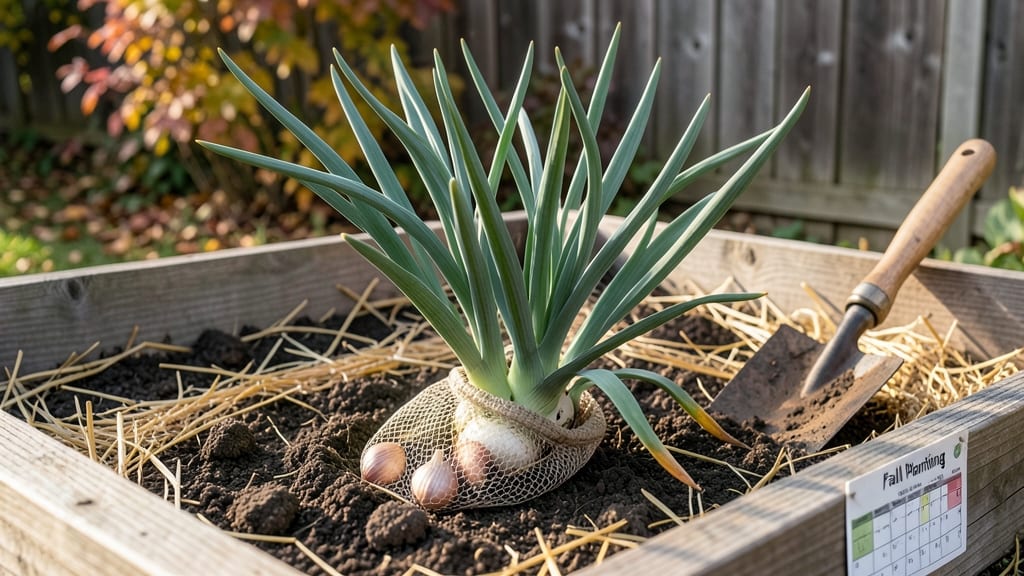
If you’re wondering when to plant garlic in Tennessee, timing is the secret to a bountiful harvest—not just in quantity, but in flavor and storage life.
The state’s USDA zones 6a-7b give you a narrow window to get it right, and missing it means smaller bulbs or even frost damage.
Most gardeners in Tennessee swear by fall planting for hardneck varieties, which is your best bet for that classic 🧄 flavor and sturdy bulbs. But softneck garlic, often preferred for braiding and longer storage, has its own ideal window.
The key? Planting 4-6 weeks before the ground freezes—usually between October and November—to let roots establish before winter sets in.
Why does this matter so much? Because garlic grows best when it experiences cold temperatures during dormancy, and Tennessee’s mild winters create the perfect balance. Too early, and you risk rot; too late, and your crop won’t mature fully by harvest season.
I’ll break down the exact months for hardneck vs. softneck garlic, plus how to adjust for Tennessee’s microclimates—whether you’re in the mountains or the flatlands.
Ready to grow garlic that’s plump, flavorful, and ready by late June? Let’s dive into the step-by-step timing that’ll make your harvest the talk of the garden.
Best planting months for Tennessee garlic: hardneck vs softneck breakdown
Tennessee’s USDA Zones 6a-7b create perfect conditions for growing hardneck and softneck garlic, but the timing for each variety differs. Hardneck garlic thrives when planted in October or early November, while softneck garlic benefits from a slightly later window in November or December.
These timing differences ensure optimal bulb development before the first hard frost.
For hardneck garlic, planting between mid-October and late November aligns with Tennessee’s average first frost dates, which typically arrive in mid-November in most regions. This timing allows the cloves to establish roots before winter dormancy, leading to larger bulbs in late summer.
Meanwhile, softneck garlic prefers a cooler planting window in late November to December to avoid early frost damage.
The key is planting 4-6 weeks before the ground freezes. In Tennessee, this usually translates to October for hardneck and November for softneck. However, regional variations can shift these windows by 2-3 weeks, especially in higher elevations like the Great Smoky Mountains.
Here’s how to match your planting schedule to Tennessee’s climate zones:
| Variety | Best Planting Month | Key Consideration | Harvest Window |
|---|---|---|---|
| Hardneck Garlic | October - Early November | Needs cold period for bulb formation; plant before hard frost | Late June - Early July |
| Softneck Garlic | November - December | More frost-tolerant; plant later for milder winter | July - Early August |
If you’re in Zone 6a (e.g., Northeast Tennessee), aim for mid-October planting for hardneck garlic, as frost arrives earlier. In Zone 7b (e.g., Middle Tennessee), you have flexibility until early November. For softneck garlic, late November to December works best across all zones.
Garlic planted too early may sprout before winter, weakening the clove and reducing bulb size. Conversely, planting too late risks frost damage before roots establish. Aim for a 60-70°F soil temperature at planting—ideal for root growth without encouraging early sprouting.
Pro tip: Use a soil thermometer to monitor temperatures. In Tennessee, soil temps drop below 50°F by late November, signaling it’s time to plant softneck varieties. For hardneck, wait until soil temps are between 40-50°F.
Once planted, mulch with straw or leaves to insulate cloves during winter. This protects them from freeze-thaw cycles and ensures consistent growth. In Tennessee’s mild winters, mulching also prevents soil erosion and retains moisture for spring growth.
Remember, hardneck garlic produces hardneck scapes (flavorful shoots) in spring, while softneck garlic stores longer but lacks scapes. Choose based on your goals—hardneck for flavor, softneck for storage.
For Tennessee gardeners, October is the goldilocks month for hardneck garlic. If you miss it, don’t worry—softneck garlic gives you a second chance in November. Both varieties reward patience with bold, homegrown flavor and impressive yields.
Best planting months for Tennessee garlic: hardneck vs softneck breakdown
Tennessee’s USDA zones 6a-7b create a unique window for planting garlic, where fall planting is non-negotiable for success. For hardneck garlic, your best bet is between mid-October and early November—this gives roots time to establish before winter dormancy.
Softneck varieties, which thrive in milder climates, can stretch planting into late November or even December in the warmer western regions.
The key is planting 4-6 weeks before the ground freezes. In most of Tennessee, this means aiming for October 15 to November 15 for hardneck varieties. If you miss this window, your bulbs won’t develop properly, and you’ll end up with small, weak cloves that lack flavor.
If you’re in East Tennessee (e.g., Knoxville, Chattanooga), where winters are colder, stick to the earlier window (October 15-31) for hardneck garlic. In West Tennessee (Memphis, Nashville), you can push softneck planting into early December thanks to milder winters.
The Great Smoky Mountains region may need to plant even earlier—by mid-October—to account for earlier frosts.
Pro tip: Use a soil thermometer to check when temps drop below 50°F. This is your cue to stop planting. Cold soil can stunt root growth, leading to poor bulb development come harvest time.
I’ve seen gardeners in Zone 7b push planting into early December with success, but it’s a gamble unless you have heavy mulch coverage.
Remember, garlic planted in fall will sprout in early spring and mature by late June or July. The longer the cold period, the larger and more flavorful your bulbs will be.
For Tennessee gardeners, this means harvesting in June is the sweet spot for peak flavor and storage potential.
Don’t overlook soil preparation—amend your beds with composted leaves or well-rotted manure before planting. This gives your garlic the nutrient boost it needs to establish strong roots before winter.
Pair this with a 2-3 inch mulch layer of straw or leaves to insulate the soil and protect cloves from freeze-thaw cycles.