
Plants
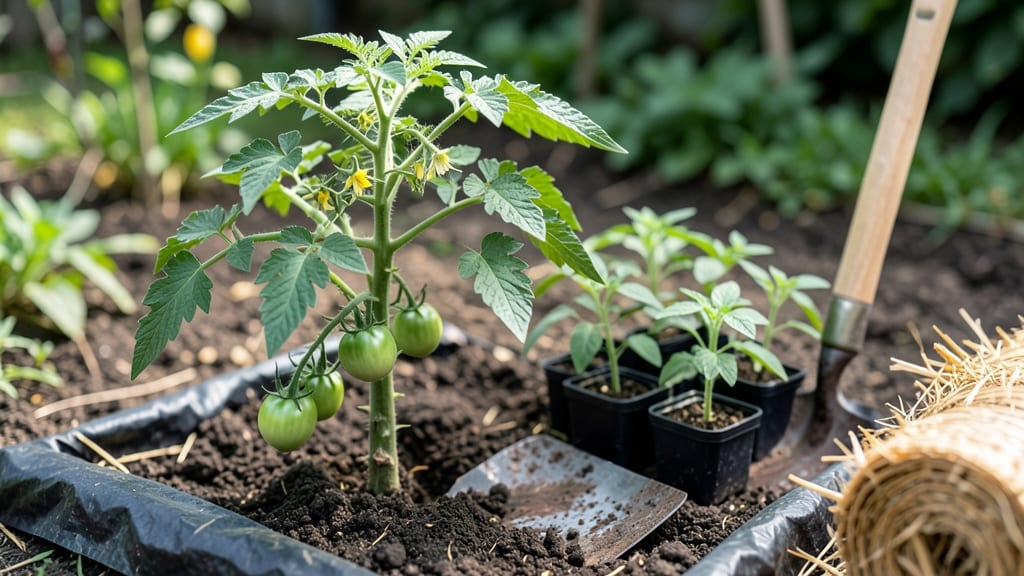
If you've ever planted your 🍅 tomatoes in Florida only to watch them bolt or fruit crack in the heat, you're not alone. The Sunshine State's diverse microclimates mean planting windows aren't one-size-fits-all—what works in Miami fails in Tallahassee.
Let's cut through the confusion and pinpoint the exact moments to plant for zero-bolt success, whether you're in North Florida's cooler zones or South Florida's balmy year-round growing conditions.
Florida's 8a-11 zones give you flexibility most gardeners envy, but timing matters more than you think. Plant too early in North Florida, and you risk frost damage (yes, it happens!). Plant too late in South Florida, and your tomatoes may never recover from summer's relentless heat.
The key lies in understanding your specific microclimate's frost-free dates and heat thresholds—information I'll break down so you can plant with confidence.
What you'll discover here goes beyond generic "spring planting" advice. We're talking about precise windows for fall and spring transplants, how to adjust for Florida's humidity, and why soil temperature matters more than air temperature.
Whether you're growing in raised beds, containers, or traditional rows, these insights will help you avoid common pitfalls and maximize your harvest.
Ready to stop guessing and start growing? Let's dive into the exact planting schedule tailored to your corner of Florida—because with the right timing, you can enjoy homegrown tomatoes from spring through fall, no matter where you live in the state.
Florida’s tomato planting zones by microclimate: exact dates for zero-bolt success
Florida’s diverse microclimates mean your tomato planting window can vary by hundreds of miles. North Florida’s USDA Zone 8a faces rare frosts, while South Florida’s Zone 11 enjoys year-round warmth.
Even within regions, urban heat islands can shift ideal dates by weeks. Let’s break down the exact planting windows for each zone to avoid bolting or cracked fruit.
For North Florida (Zones 8a-8b), like Jacksonville or Gainesville, your last frost typically arrives by mid-March. However, soil temperature (not air temp) dictates readiness—wait until it hits 60°F at 6-inch depth.
This usually lands in late March to early April for spring transplants. In fall, plant transplants by mid-September to harvest before November frosts.
In Central Florida (Zones 9a-9b), including Orlando and Tampa, you’ve got flexibility. Start transplants in late February for early spring harvests or July-August for fall crops. The key? Avoid summer heatwaves (above 90°F) which stress plants. Heat-tolerant varieties like ‘Heatmaster’ or ‘Solar Fire’ thrive here.
For South Florida (Zones 10a-11), including Miami and Fort Lauderdale, tomatoes can grow year-round. Plant transplants every 2 months for continuous harvests. Start with spring transplants in January and fall transplants in September. Use shade cloth in peak summer to prevent sunscald on fruit.
In the Florida Panhandle (Zones 8a-9a), like Pensacola or Tallahassee, timing mirrors North Florida but with slightly later frosts. Plant spring transplants by early April and fall transplants by late August. Black plastic mulch warms soil faster here, helping seedlings establish quicker.
| Region | USDA Zone | Spring Planting | Fall Planting | Key Tip |
|---|---|---|---|---|
| North Florida | 8a-8b | Late March–Early April | Mid-September | Use row covers for frost protection |
| Central Florida | 9a-9b | Late February–March | July–August | Choose heat-tolerant varieties |
| South Florida | 10a-11 | January–February | September–October | Use shade cloth in summer |
| Panhandle | 8a-9a | Early April | Late August | Black plastic mulch speeds soil warming |
Urban gardens in heat islands (like Miami or Jacksonville) can be 5–10°F warmer than rural areas. Adjust planting by 1–2 weeks earlier in spring and 1–2 weeks later in fall. Always test soil temperature with a soil thermometer—60°F+ is non-negotiable for healthy roots.
Pro tip: Container gardening gives you control. In North Florida, move pots indoors or under row covers if frost threatens. In South Florida, elevate containers to improve drainage during heavy rains. Dwarf varieties like ‘Tiny Tim’ work well in containers.
Remember: Day length affects flowering. In spring, longer days trigger blooms, but summer’s intense heat can cause bolting (premature flowering). Use shade cloth (30–50%) to regulate temps and extend your harvest window.
For container growers, start transplants 2–3 weeks earlier than in-ground plants. Containers dry out faster and cool down quicker at night. Self-watering pots or drip irrigation help maintain consistent moisture—critical for fruit set.
Finally, track your local frost dates using the Florida Automated Weather Network (FAWN). Their real-time data adjusts for microclimate shifts better than generic charts. With these region-specific dates, you’ll avoid wasted
5 Critical factors that change your planting timeline (beyond the calendar)
Florida’s tomato planting isn’t just about checking a calendar—it’s about reading your soil temperature, humidity levels, and even the tomato variety you’ve chosen. These 5 critical factors often override standard planting charts, especially in Florida’s unpredictable climate.
Ignoring them can lead to bolting (premature flowering) or cracked fruit from heat stress.
First, soil temperature is your best friend. Tomatoes need soil that’s warmed to at least 60°F—cold soil stunts roots and delays growth. In North Florida, this might mean waiting until mid-March or later, while South Florida gardeners can plant as early as January.
Use a soil thermometer to check before planting—it’s the only way to be sure.
Next, humidity plays a sneaky role. Florida’s high humidity can encourage fungal diseases like early blight, so planting too early in spring (before the air dries out) sets you up for failure.
Aim for 50-70% humidity at planting time, and avoid soggy soil at all costs. If your area is known for prolonged rain, opt for disease-resistant varieties like ‘Celebrity’ or ‘Mountain Merit’.
Don’t overlook day length, either. Tomatoes are short-day plants, meaning they flower when daylight shortens—usually in late summer or early fall. If you plant in deep summer, your tomatoes might bolt (flower too early) instead of focusing on leafy growth.
For a fall harvest, start seeds indoors 8-10 weeks before your first frost date (or transplant in August-September for North Florida).
Wait until soil reaches 60°F+—use a thermometer to test. North Florida: mid-March; South Florida: January.
Aim for 50-70% humidity at planting. High humidity + wet soil = fungal diseases.
Short-day plants bolt in long summer days. For fall harvests, plant in August-September.
Heirlooms (e.g., ‘Brandywine’) need cooler temps; hybrids (e.g., ‘Solar Fire’) tolerate heat better.
Urban areas stay 5-10°F warmer than rural zones. Adjust planting dates accordingly.
Your tomato variety also dictates timing. Heirloom tomatoes like ‘Brandywine’ thrive in cooler spring temperatures but struggle in 90°F+ heat. Meanwhile, heat-tolerant hybrids like ‘Solar Fire’ or ‘Heatmaster’ can handle Florida’s summer sun—perfect for summer planting (June-July) in shaded beds.
Always check the seed packet for days-to-maturity and heat tolerance.
Lastly, microclimate quirks can shift your timeline by weeks. Urban heat islands (like Miami or Orlando) stay 5-10°F warmer than rural areas, so you might plant 2-3 weeks earlier than your neighbors.
Coastal regions also benefit from moderate temperatures year-round, while inland areas face harsher heat. Use a local weather station or USDA zone map to pinpoint your exact conditions.
Pro tip: If you’re unsure, start with a test plant in late winter. Monitor its progress—if it thrives, you’re ready for full planting. If it struggles, wait another 2-3 weeks and try again. Florida’s tomato season is long, but timing is everything for zero-bolt success! 🌱