
Companion Plants
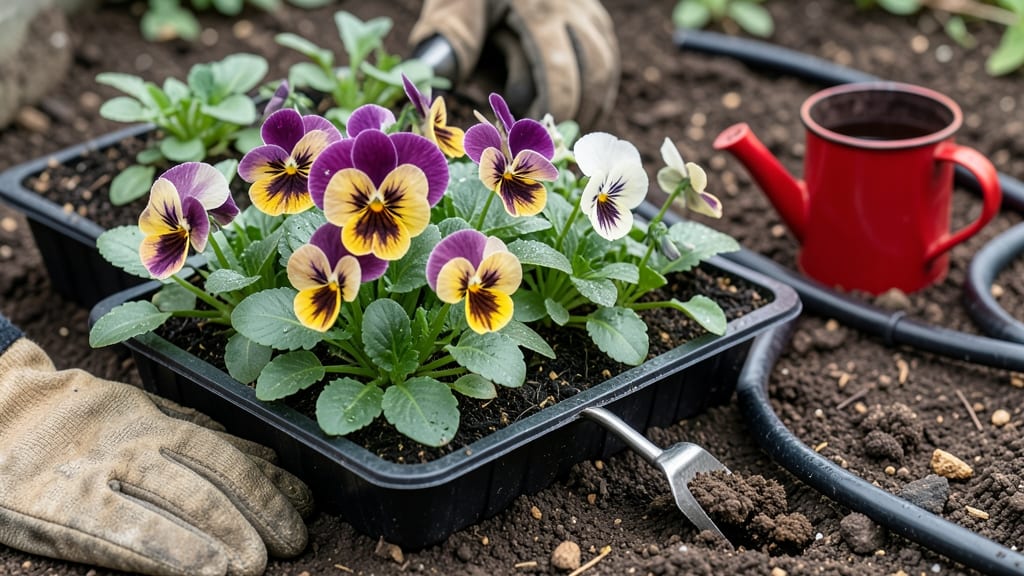
Timing is everything when it comes to planting pansies 🌸 in the Northeast—get it wrong, and your vibrant blooms might not survive the first frost.
The key to stunning spring and fall displays lies in understanding your local frost dates and soil conditions, especially in zones 5-7 where temperatures can swing dramatically.
If you've ever wondered why some gardeners get lush pansy patches while others struggle with wilted plants, the answer often comes down to when they plant. Whether you're prepping for early spring color or extending fall blooms, knowing the perfect window—typically March-April or September-October—makes all the difference.
I'll walk you through the exact planting timeline for your zone, including how to adjust for microclimates and container gardening. No more guessing—just beautiful, frost-resistant pansies that thrive from the get-go.
Ready to transform your garden? Let's dive into the best strategies for planting pansies so they bloom like crazy, no matter what Mother Nature throws your way.
Northeast pansy planting calendar by hardiness zone (5B-7A)
Timing is everything when planting pansies in the Northeast. These cool-loving flowers need 4-6 weeks to establish roots before winter’s first frost hits, or they’ll bolt too early in spring’s heat. The key? Aligning your planting schedule with your USDA hardiness zone (5B-7A) and local frost dates.
In Zone 5B (e.g., Burlington, VT), where winters are harsh, aim for early September or late March. Warmer Zone 7A (e.g., Raleigh, NC) offers a longer window—mid-September to early April.
Microclimates (like urban heat islands) can shift these dates by 1-2 weeks, so always check your local last frost date.
Here’s your Northeast pansy planting timeline, broken down by zone and season to maximize blooms:
| Zone | Fall Planting | Spring Planting | Key Notes |
|---|---|---|---|
| 5B (Burlington, VT) | Early Sept (4-6 wks before frost) | Late March (after last frost) | Use heavy mulch (4-6 inches) to insulate roots. |
| 6A (Boston, MA) | Mid-Sept to early Oct | Early April | Choose frost-hardy varieties like ‘Matrix’ or ‘Cool Wave’. |
| 7A (Raleigh, NC) | Late Sept to Nov | Feb-March | Extend blooms with shade cloth in summer. |
For container gardening, plant 2-3 weeks earlier in fall (containers cool faster) and 1-2 weeks later in spring (they warm up quicker). Use black plastic pots to absorb heat in spring or insulated grow bags in fall.
Soil temperature matters too! Pansies thrive when soil is 45–65°F. Test it with a soil thermometer—if it’s below 45°F, wait 1-2 weeks or use row covers for protection.
Pro tip: Succession plant every 3-4 weeks in fall for nonstop color. Start with 6-8 week old seedlings from nurseries to jumpstart your garden.
Remember, pansies hate heat. If you plant in late spring, choose shady spots or opt for violas (their heat-tolerant cousins) for summer blooms.
How to extend pansy blooms: fall vs. spring planting strategies
Timing is everything when it comes to growing pansies in the Northeast. Unlike heat-loving annuals, pansies thrive in cooler temperatures and can even survive light frosts.
But planting them at the wrong time—either too early in spring or too late in fall—can leave your garden looking bare instead of blooming. Let’s break down the best strategies for each season to maximize your pansy blooms.
For fall plantings, aim to get your pansies in the ground 4-6 weeks before the first frost. This gives their roots time to establish before winter sets in.
In the Northeast, this typically means planting in late September or early October, depending on your USDA hardiness zone. In colder zones like Zone 5B, you might push it to early September, while milder Zone 7A areas can wait until mid-October.
Fall Planting: Pros & Cons
✅ Pros
- Early blooms: Fall-planted pansies often flower by late fall or early winter.
- Winter hardiness: Established roots handle light frost better.
- Avoid summer heat: Pansies struggle in hot weather, so fall planting skips this.
❌ Cons
- Risk of frost heave: Young roots can be damaged if soil freezes and thaws.
- Limited variety: Some heat-tolerant varieties may not thrive in early fall.
- Short growing season: If planted too late, pansies may not establish before winter.
If you’re planting in spring, wait until after the last frost date—typically mid-April to early May in the Northeast. Planting too early risks frost damage to tender new growth.
To give your pansies a head start, consider starting seeds indoors in February and transplanting them outdoors once temperatures stabilize. This ensures you’ll have blooms by early summer, just in time for Mother’s Day or Memorial Day gardens.
For both fall and spring plantings, soil preparation is key. Pansies prefer well-draining, slightly acidic soil with a pH between 5.8 and 6.5. Amend your garden beds with compost or aged manure before planting to improve fertility and drainage.
In containers, use a lightweight potting mix with added perlite to prevent waterlogging, which can lead to root rot.
One often-overlooked trick for extending pansy blooms is successive planting. Instead of planting all your pansies at once, stagger your plantings every 2-3 weeks in fall or spring. This ensures a continuous display of color throughout the season.
For example, plant a batch in early September, another in mid-September, and a final batch in early October. This way, even if some pansies fade, others will take their place.
Finally, don’t forget to protect your pansies from harsh weather. In fall, apply a 2-3 inch layer of mulch around plants to insulate roots from temperature swings. In spring, use cloche or row covers on cold nights to shield tender new growth.
With these strategies, your pansies will reward you with months of vibrant blooms, from early fall through late spring. 🌸