
Plants
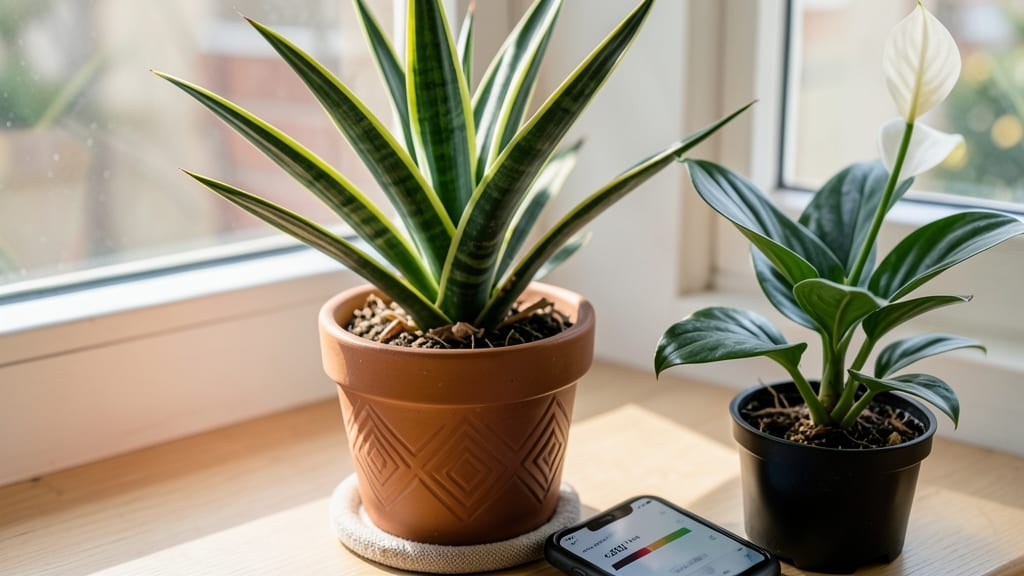
If your rattlesnake plant 🌿 keeps looking sad—droopy leaves, faded patterns, or yellowing edges—you’re probably guessing wrong about its light needs. This stunning houseplant thrives in bright indirect light, but too much direct sun or too little can turn it into a struggling shadow of itself.
Most people assume low-light tolerance means dim corners, but your rattlesnake plant actually craves filtered sunlight—think east-facing windows or a spot near a sheer curtain. The key is avoiding harsh afternoon rays, which can scorch its delicate foliage faster than you’d expect.
I’ve seen this plant go from wilting to vibrant in just 2 weeks once I adjusted its lighting. Whether you’re dealing with a leggy plant or one that’s barely growing, the right light balance is the game-changer you’ve been missing.
Let’s break down exactly where to place it, how to spot light issues early, and even when to bring out the grow lights. Your rattlesnake plant’s revival starts here—no more guesswork, just proven care tips.

Ideal light requirements for a healthy rattlesnake plant: bright indirect light explained
Rattlesnake plants (Calathea orbifolia) thrive in bright indirect light, but their exact needs are often misunderstood. Unlike sun-loving succulents, these tropical beauties burn easily in direct sunlight, yet they need more light than most "low-light" plants. Think of it as a balancing act—too little light dulls their stunning patterns, while too much causes brown leaf tips and crispy edges.
The key is mimicking their natural understory habitat—dappled sunlight filtering through trees.
In your home, this means placing them near east-facing windows where morning light is gentle, or 2-3 feet back from south-facing windows with sheer curtains. West-facing windows are risky due to harsh afternoon sun, while north-facing spots may be too dim for long-term health.
Here’s the light spectrum breakdown your rattlesnake plant craves: 50-70% ambient light (measured as the light intensity 3 feet from a window). This translates to 4-6 hours of bright indirect light daily, ideally between 6 AM and 2 PM.
Artificial light can supplement, but natural light is always best for pattern retention and growth.
🌿
| Light Requirement | Specification | Ideal Setup |
|---|---|---|
| Intensity | Bright indirect (50-70%) | East window or 2-3 ft from south window |
| Duration | 4-6 hours daily | Morning sunlight (6 AM-2 PM) |
| Direct Sun Tolerance | None (burns leaves) | Sheer curtains or filtered light |
| Low-Light Threshold | Below 30% | Leggy growth, faded patterns |
| Pro Tip | Rotate plant weekly for even growth | |
One of the biggest light myths about rattlesnake plants is that they thrive in deep shade. While they can survive in low-light conditions, their leaf patterns will fade, and growth will slow dramatically.
I’ve seen plants in dim corners grow pale and leggy, stretching toward any available light source—a clear sign of light deprivation. If your plant’s leaves lose their distinctive rattlesnake markings, it’s time to move it closer to a brighter spot.
For urban apartments with limited natural light, grow lights can be a lifesaver. A full-spectrum LED grow light placed 12-18 inches above the plant for 12-14 hours daily mimics ideal conditions.
Look for lights with a red-blue spectrum ratio of 3:1 to encourage healthy foliage growth. I recommend the Samsung LM300 Series for its energy efficiency and plant-specific spectrum.
Another common mistake is assuming all east-facing windows provide equal light. The angle of the sun changes with the seasons—your rattlesnake plant may need to be moved closer in winter when daylight is weaker.
Pay attention to how the light feels on your skin near the plant: if it’s warm but not harsh, it’s likely safe for your plant.
🪴
To test your plant’s light conditions, perform the "shadow test": Place a white piece of paper where your plant sits for an hour. If the shadow is sharp and dark, the light is too direct.
If the shadow is soft and faint, you’ve found the sweet spot. This simple trick helps avoid trial-and-error placement that can stress your plant. Remember, rattlesnake plants are sensitive to sudden light changes, so adjust their position gradually over 1-2 weeks.
Finally, humidity levels interact with light needs—dry air from heating or AC can amplify light stress. Pair your ideal light spot with a pebble tray or humidifier to create a microclimate that mimics their tropical home.
This dual approach ensures your rattlesnake plant gets both the right light intensity and moisture balance for optimal growth.
Ideal light requirements for a healthy rattlesnake plant: bright indirect light explained
Your rattlesnake plant (Calathea orbifolia) thrives in bright indirect light, mimicking its natural understory habitat. Unlike sun-loving plants, it burns easily in direct rays, yet struggles in dim corners. The key is finding that golden balance—enough light to fuel growth without causing stress or leaf scorch.
Think of it like human skin: too much sun causes freckles or burns, while too little leaves you pale and weak. Your plant’s stunning patterns actually help it regulate light—those dark stripes act like built-in sunscreen! But push it too far, and those patterns fade or crisp at the edges.
⚠️ CRITICAL NOTE: South-facing windows are usually too harsh, while north-facing windows may be too dim. East or west exposures (with sheer curtains) are ideal for most homes. Even then, position your plant 3-6 feet back from the glass to diffuse intensity.
| Light Condition | Effect on Plant | Solution |
|---|---|---|
| Direct Sunlight (South Window) | Brown crispy edges, bleached patterns | Move to indirect light + sheer curtain |
| Bright Indirect (East/West) | Vibrant patterns, steady growth | Perfect! Rotate pot weekly for even growth |
| Dim Light (North Corner) | Pale leaves, slow growth, lost patterns | Add grow light (12-14 hrs/day) or relocate |
Pro tip: Rotate your plant every 2-3 weeks so all sides get even light exposure. This prevents lopsided growth and ensures those showstopping patterns stay symmetrical. I notice mine grows taller toward the window—just a sign it’s stretching for more light!
For extra peace of mind, use a light meter app (like "Light Meter" for iOS) to check your spot’s foot-candles. Aim for 500-1,000 fc—any lower, and your plant will start protesting with yellowing leaves. Too high? Watch for brown tips as a warning sign.
Remember: Humidity matters too! These tropical beauties need 50-70% humidity to thrive in moderate light. Pair bright indirect light with a pebble tray or humidifier, and you’ll have a thriving rattlesnake plant that’s the envy of every plant parent. 🌿